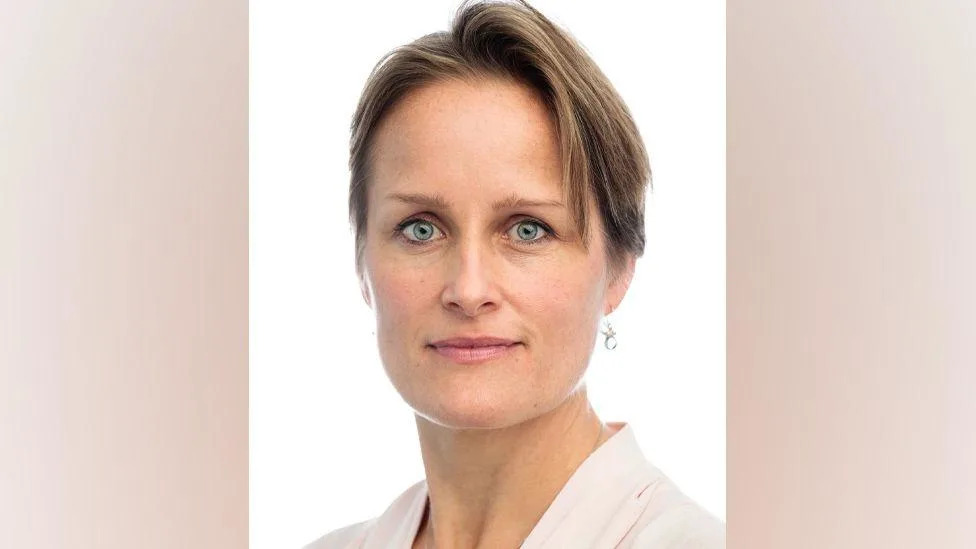
The new head of MI6, Blaise Metreweli, is set to deliver a stark warning regarding the “acute threat posed by Russia” during her inaugural public address. In her speech, she will outline the challenges of hybrid warfare, which encompasses cyber attacks and drone operations purportedly conducted by Russian proxies near sensitive infrastructure. Metreweli characterizes Russia as “an aggressive, expansionist, and revisionist” state, emphasizing the ongoing conflict in Ukraine and affirming Britain’s commitment to exert pressure on President Vladimir Putin.
Metreweli, who officially assumed leadership of the Secret Intelligence Service on October 1, 2023, is notably the first woman to lead the UK’s foreign intelligence agency. Her predecessor, Sir Richard Moore, handed over the reins after a tenure focused on modernizing MI6’s operations. In her address, Metreweli will reference the recent sanctions imposed on Russian entities accused of engaging in information warfare, alongside sanctions on two China-based companies for their “indiscriminate cyber activities” targeting the UK and its allies.
The economic repercussions of Western sanctions have considerably impacted Russia, redirecting its exports toward China and India. Nevertheless, these measures have failed to alter Putin’s resolve in pursuing military objectives in Ukraine, as he continues to demand territorial concessions and allegiance to Moscow.
Focus on Technological Advancements in Espionage
A significant aspect of Metreweli’s vision for MI6 includes a heightened emphasis on technology. Having joined the agency in 1999, she has risen through the ranks, notably in the agency’s Q Branch, which develops sophisticated equipment for covert operations. In her upcoming speech, she is expected to encourage intelligence officers to excel in technological proficiency, asserting that they must be “as comfortable with lines of code as we are with human sources.” This call for expertise in programming, specifically mentioning Python, underscores the evolving landscape of espionage where data management and digital skills are paramount.
The modern intelligence environment demands that spies adapt to new challenges, particularly as biometric technologies make traditional methods of disguise increasingly obsolete. As Metreweli prepares to guide MI6 into a new era, she recognizes the necessity of remaining relevant in a rapidly changing world.
Broader Calls for National Resilience
On the same day as Metreweli’s address, Sir Richard Knighton, Chief of the Defence Staff, will advocate for a “whole of society approach” to bolster national resilience amid rising threats. Speaking at the Royal United Services Institute in London, Knighton will highlight the importance of prioritizing defence and resilience beyond military circles. He is expected to articulate that the current global situation presents dangers that exceed those he has witnessed throughout his career.
Knighton will emphasize that Russia aims to challenge and destabilize NATO, advocating for a response that encompasses the nation’s collective resources, including academia, industry, and public services like the NHS. He will propose the establishment of new technical excellence colleges for defence, supported by an investment of £50 million, aiming to address a skills gap identified in recent assessments.
The discourse surrounding national defence strategies has intensified, particularly following proposals for voluntary national service from France and Germany. The UK’s previous government initiatives for compulsory service were met with mixed reactions, but the urgency for a unified response to global uncertainties is increasingly clear.
As Britain grapples with the implications of ongoing geopolitical tensions, both Metreweli and Knighton’s speeches reflect a pivotal moment for the UK’s security apparatus. Their messages resonate with a call for readiness and adaptability in the face of evolving threats from Russia and beyond.