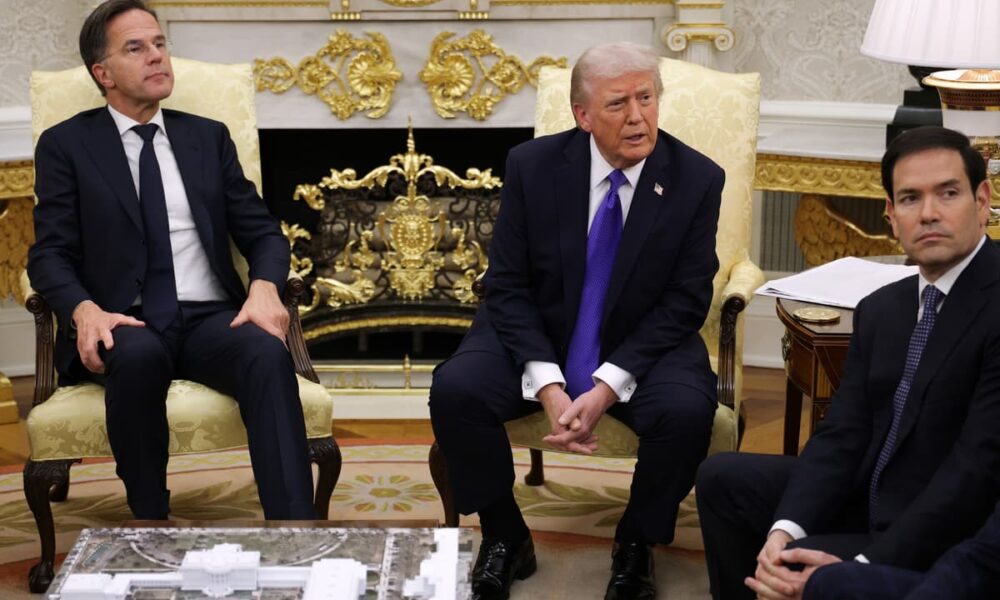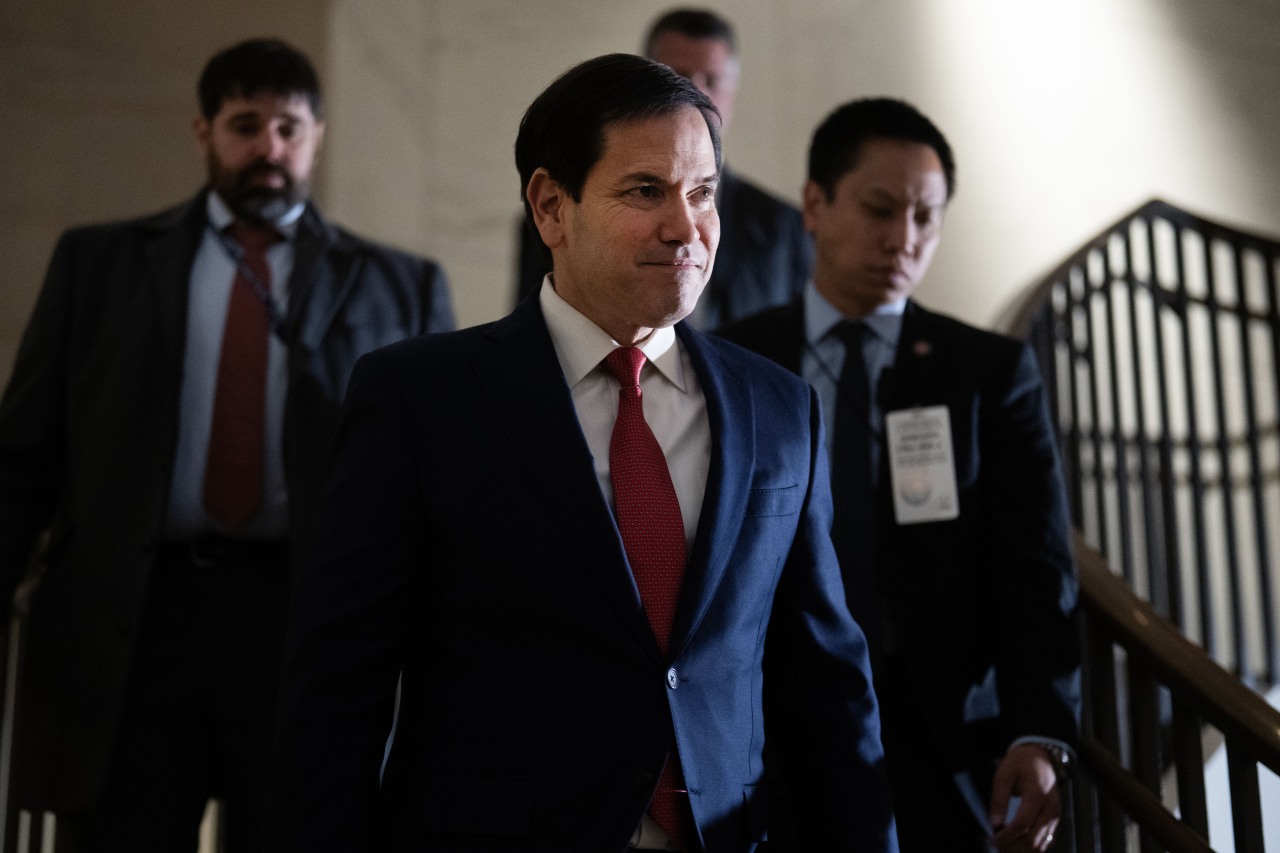
In a significant political shift, U.S. Secretary of State Marco Rubio has moved from being a vocal critic of Donald Trump to one of the president’s most trusted advisors. This transformation, which has unfolded over recent years, has implications for U.S. foreign policy, especially regarding Latin America.
Marco Rubio, who has represented Florida in the U.S. Senate since 2011, initially opposed Trump’s policies during the 2016 election campaign. However, his alignment with the Trump administration has grown, particularly as the Republican Party has increasingly embraced elements of the “Make America Great Again” (MAGA) agenda. This shift reflects a broader trend within the party, where loyalty to Trump has become a key factor in political strategy.
The newly defined relationship between Trump and Rubio is particularly significant given Rubio’s longstanding interest in reshaping U.S. relations with Latin America. His vision includes promoting democratic values and economic opportunities in the region, which he considers vital for both national security and humanitarian reasons. As Secretary of State, Rubio now has the platform to influence policies that could affect millions across Latin America.
Shifting Dynamics in U.S. Foreign Policy
Rubio’s role has expanded as he has taken on critical responsibilities in shaping the U.S. approach to Latin America. He advocates for stronger ties with countries that share democratic ideals and has been vocal about countering authoritarian regimes in the region. This focus aligns with Trump’s broader foreign policy objectives, which prioritize national interests and security.
In recent discussions, Rubio has emphasized the importance of economic partnerships and trade agreements that benefit both the United States and its southern neighbors. He believes that enhancing economic collaboration can lead to political stability, which is essential for long-term progress. According to a recent report from the U.S. State Department, trade between the U.S. and Latin America reached approximately $1 trillion in 2022, highlighting the region’s significance to American economic interests.
Rubio’s commitment to this cause is evident in his support for initiatives that aim to combat corruption and promote democratic governance. He has consistently pushed for increased funding for programs that empower civil society and support free elections. His involvement in these initiatives underscores a shift in U.S. foreign policy towards a more engaged and proactive stance in Latin America.
The Road Ahead: Challenges and Opportunities
As Rubio navigates this new role, he faces both opportunities and challenges. The political landscape in Latin America is complex, with various countries experiencing shifts in leadership and governance. For instance, the political climate in countries like Venezuela and Nicaragua presents significant hurdles for U.S. engagement. Rubio must balance his advocacy for democracy with the need to maintain diplomatic relations.
Moreover, the upcoming 2024 presidential election will test Rubio’s influence and strategy. As a prominent figure within the Republican Party, his alignment with Trump’s policies may attract both support and criticism from different factions within the party. Navigating these dynamics will be crucial as he aims to maintain a unified front while advocating for his vision of U.S. engagement in Latin America.
In conclusion, Marco Rubio’s evolution from a Trump critic to a close advisor marks a pivotal moment in U.S. politics. His role as Secretary of State positions him to significantly influence foreign policy towards Latin America, a region he has long sought to impact positively. As challenges persist, Rubio’s commitment to fostering democratic values and economic partnerships will play a crucial role in shaping the future of U.S.-Latin American relations.