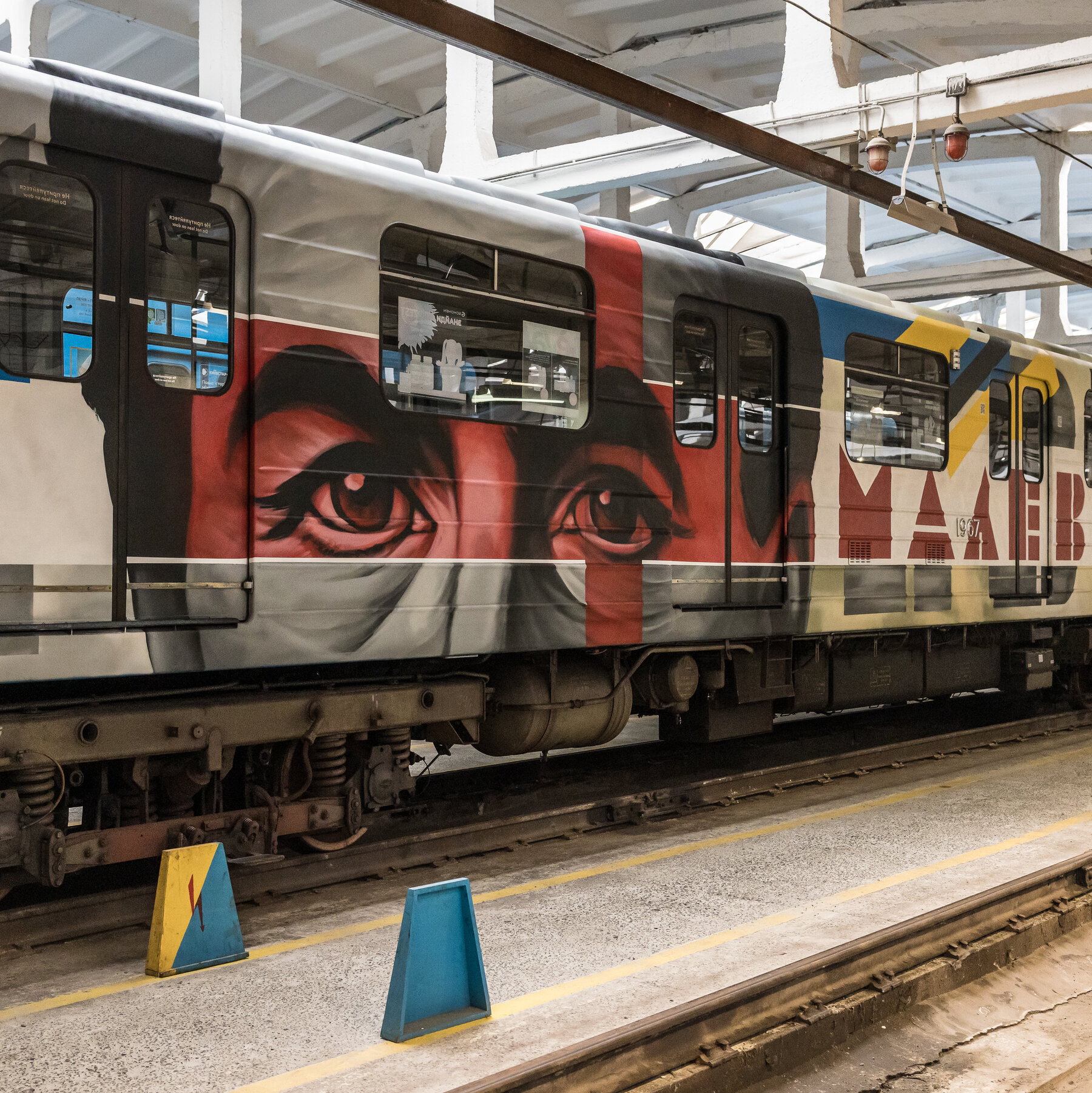
Kyiv is intensifying efforts to reclaim the legacy of renowned avant-garde painter Kazimir Malevich, a figure often associated with both Russian and Ukrainian cultural heritage. As part of a broader initiative to distance itself from Moscow’s cultural dominance, Ukraine is emphasizing Malevich’s Ukrainian roots, particularly in light of ongoing conflicts that have heightened national identity issues.
Historical Context and Cultural Significance
Born in 1879 in what is today Ukraine, Malevich is celebrated for his groundbreaking contributions to modern art, particularly through his development of Suprematism in the early 20th century. His most famous work, “Black Square,” painted in 1915, is often regarded as a pivotal moment in the evolution of abstract art. Although he spent significant time in Russia and is frequently categorized within Russian art history, Ukrainian officials argue that his formative experiences and influences were rooted in his homeland.
As the war with Russia continues to reshape narratives around culture and identity, Ukrainian authorities, including those from the National Art Museum of Ukraine, are working to foreground Malevich’s Ukrainian identity. This initiative reflects a broader cultural strategy to assert Ukraine’s unique artistic contributions and counteract the pervasive influence of Russian narratives.
Current Exhibitions and Initiatives
The National Art Museum is set to launch a new exhibition dedicated to Malevich’s works, aiming to educate both domestic and international audiences about his Ukrainian heritage. This exhibition will feature key pieces alongside historical documents and photographs that highlight his early life in Ukraine. The museum’s director stated, “Our goal is to present a comprehensive view of Malevich as not just a Russian artist, but as a Ukrainian innovator whose work transcends borders.”
In parallel, Ukrainian scholars and art historians are actively publishing research that delves into the cultural context of Malevich’s work, asserting his significance within the Ukrainian avant-garde movement. This scholarly effort is crucial, especially as many of Malevich’s pieces remain in Russian collections, complicating the narrative of ownership and authenticity.
The push to reclaim Malevich’s legacy is not merely an academic exercise; it serves a vital role in fostering national pride and unity during challenging times. As the conflict with Russia persists, such cultural initiatives aim to bolster a sense of shared identity among Ukrainians, reinforcing the notion that their contributions to global culture are both significant and deserving of recognition.
The effort to reshape perceptions of Malevich is part of a larger campaign to redefine Ukraine’s cultural landscape in a post-Soviet context. By articulating its artists’ ties to national identity, Ukraine aims to assert its place in the global art world, moving beyond the shadows of historical narratives dominated by Russian influence.
In conclusion, as Kyiv continues to navigate the complexities of its cultural heritage amidst the ongoing war, the campaign to reclaim Kazimir Malevich stands as a testament to the resilience of Ukrainian identity and a profound acknowledgment of the nation’s artistic legacy. This initiative not only seeks to honor a celebrated artist but also serves as a rallying point for a country striving to affirm its independence and cultural autonomy on the world stage.