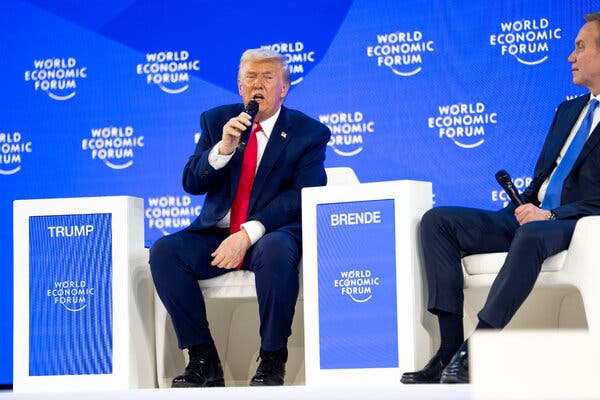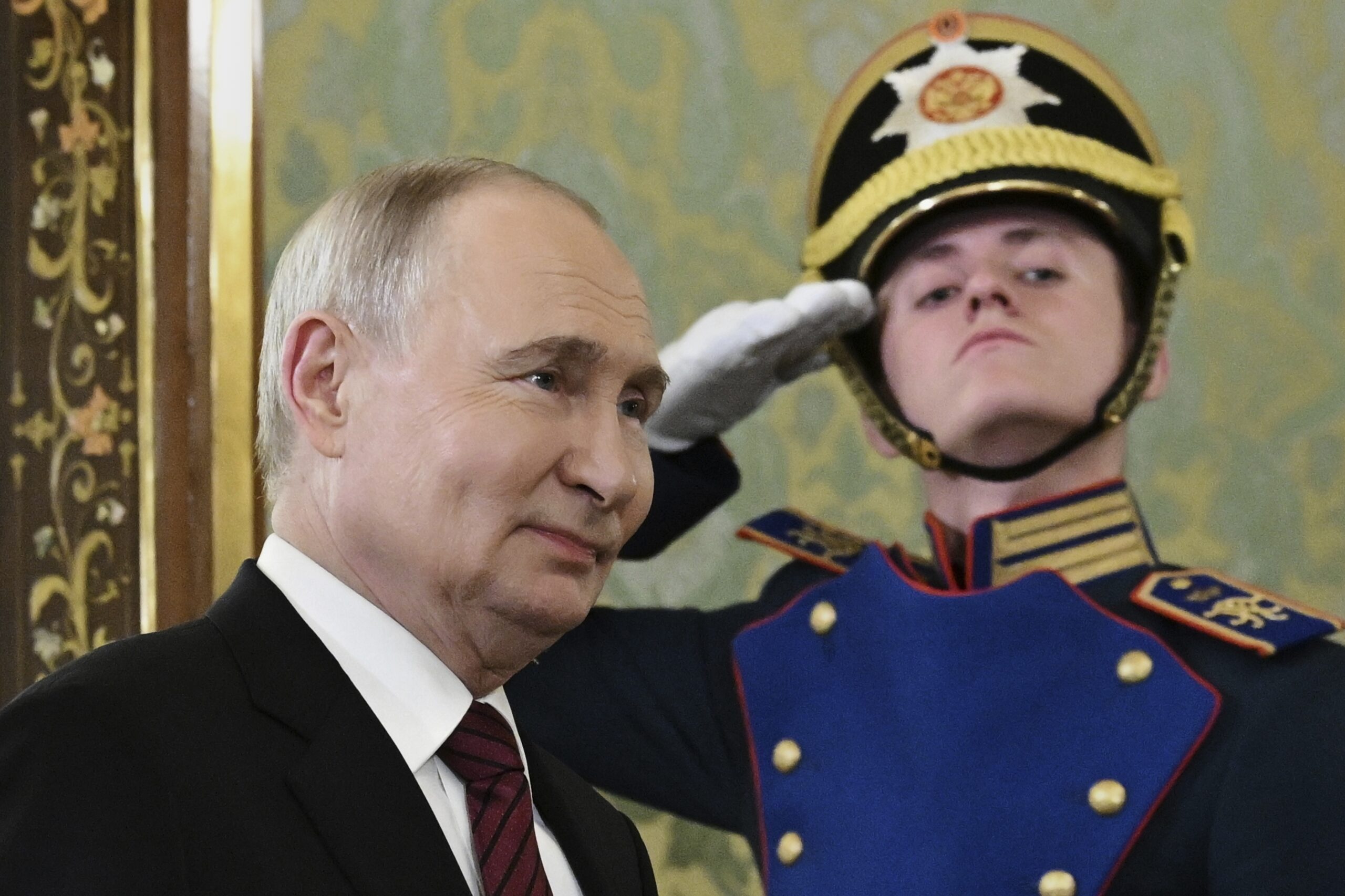
The Kremlin and various Russian media outlets have expressed strong support for former President Donald Trump in his recent efforts to annex Greenland. This development marks a significant moment in international relations, with potential implications for the North Atlantic Treaty Organization (NATO) and the balance of power in the region.
According to reports from the Russian press, Vladimir Putin views this move as a strategic opportunity to weaken NATO, an alliance that has existed for over 76 years. Analysts suggest that Trump’s interest in Greenland could be a means to disrupt traditional alliances and foster a more favorable geopolitical landscape for Russia.
The Russian government’s enthusiasm for Trump’s ambitions aligns with its long-term strategy to diminish Western influence. Kremlin spokesperson Dmitry Peskov stated, “Any efforts that challenge the established order in the West are viewed positively.” This sentiment reflects a broader goal of destabilizing NATO, which Russia perceives as a threat to its interests.
Implications for Global Alliances
If Trump’s proposition to annex Greenland gains traction, it could lead to significant shifts in global alliances. Greenland, while an autonomous territory of Denmark, has strategic military and economic importance due to its location and natural resources. The territory’s vast mineral deposits and potential for resource extraction have drawn interest from various nations, including China and the United States.
The prospect of annexation raises questions about sovereignty and international law. Denmark has maintained that Greenland is not for sale, and any such action would face considerable legal and diplomatic challenges. Nevertheless, Russian leaders appear optimistic that Trump’s unpredictability could lead to favorable outcomes for Moscow.
Analysts at the Russian International Affairs Council argue that Trump’s actions could embolden other nations to reconsider their alliances and partnerships. This perspective highlights a growing divide in global politics, where traditional alliances may be increasingly tested.
Public Reception and Future Prospects
Public opinion in Russia seems to reflect a cautious optimism regarding Trump’s endeavors. Many citizens see his approach as a potential catalyst for reshaping international relations. A recent survey indicated that over 60% of respondents support initiatives that might weaken NATO’s influence.
As the situation develops, it will be essential to monitor both the U.S. political climate and international reactions. Trump’s return to the political arena has already sparked discussions about foreign policy priorities and the future of U.S. involvement in global affairs.
In conclusion, the Kremlin’s backing of Trump’s Greenland ambitions signals a significant moment in international relations. The interplay between U.S. domestic politics and global strategic interests will shape the future of NATO and its member states. As this story unfolds, its implications will likely reverberate through diplomatic channels and beyond, affecting alliances and power dynamics worldwide.