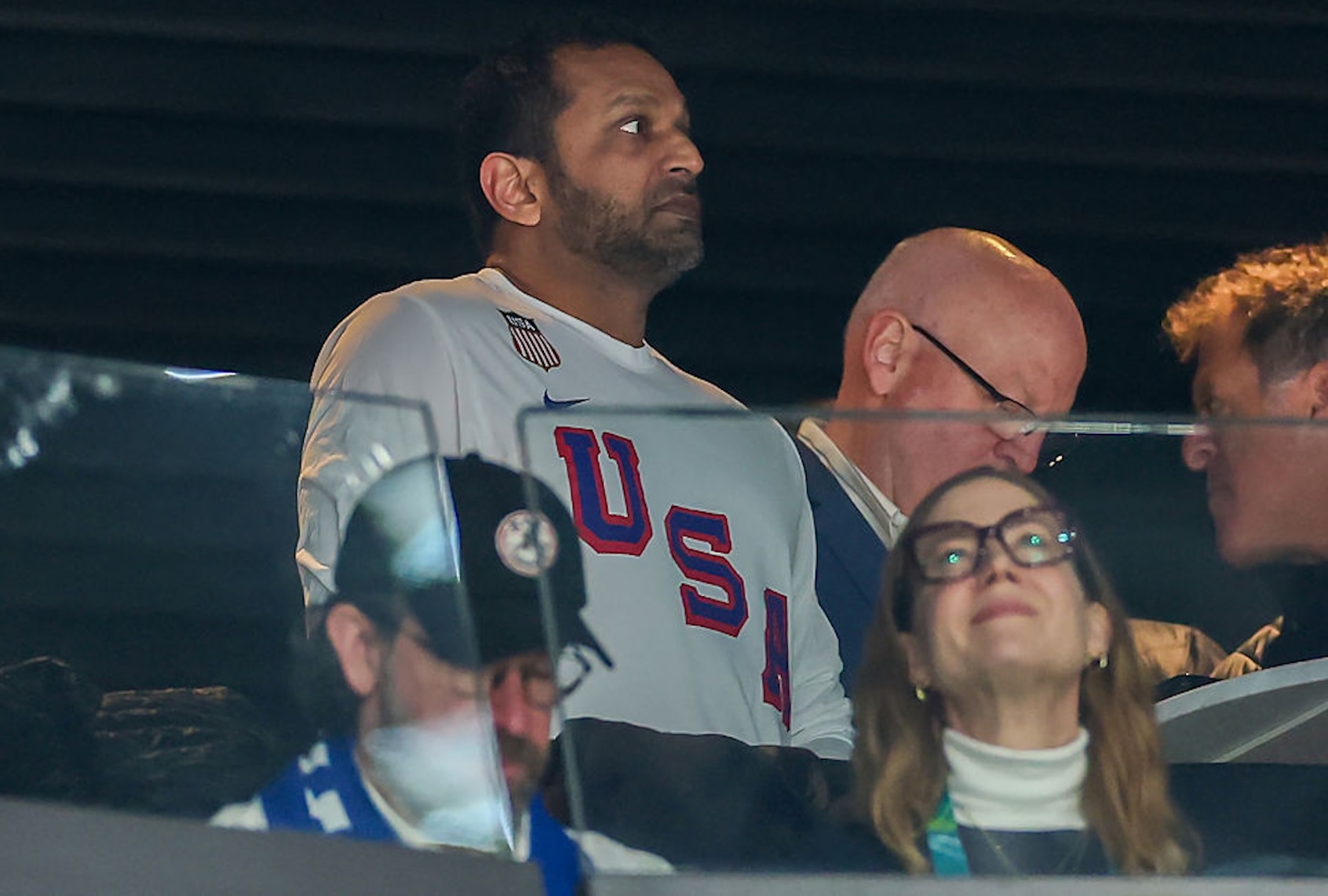
The recent victory of Team USA’s men’s hockey team at the Winter Olympics has taken an unexpected turn, drawing attention to controversies surrounding Kash Patel, the FBI Director. Patel attended the gold medal match in Milan, where the United States triumphed over Canada 2-1 in overtime, marking its first Olympic title in this sport since 1980. However, his presence at the event has sparked criticism and raised questions about the appropriateness of his visit.
Patel’s arrival in Italy coincided with the conclusion of the Olympics, leading to accusations of using official duties for personal enjoyment. Reports indicate he flew on a government jet and celebrated the victory with a beer in hand, a stark contrast to serious ongoing issues back in the United States. While Americans faced alarming incidents, including an assassination attempt on President Donald Trump and escalating violence in Mexico, Patel was seen reveling in the Olympic success.
Critics argue that Patel’s behavior reflects a troubling pattern among officials in the Trump administration, who are often accused of prioritizing personal gains over public service. As he celebrated alongside players, including star Dylan Larkin, Patel reportedly pledged to return the team to the White House in time for the upcoming State of the Union address, further blending official duties with personal fanfare.
Patel defended his trip, asserting that it was crucial for meetings related to FBI security protocols for the Olympics. His spokesperson emphasized that the visit included consultations with Italian law enforcement and oversight responsibilities. Yet, the timing of his attendance at the final match raises doubts about the official nature of his trip.
In response to backlash, Patel took to social media to assert his patriotism, stating, “For the very concerned media, yes, I love America.” This defense has been met with mixed reactions. While some supporters in right-wing media framed the criticism as an overreaction, others within the same circles have expressed discontent. For instance, one writer from Barstool criticized Patel, suggesting that his actions reflect poorly on the FBI and the administration.
The optics of Patel’s celebration come amid ongoing investigations and challenges within the FBI, where agents have faced scrutiny for their work related to the January 6 incidents. As Patel enjoyed a moment of glory, many agents continued to grapple with serious cases, including human trafficking and violent crime investigations.
The disconnection between Patel’s actions and the realities facing law enforcement has not gone unnoticed. Observers suggest that this behavior contributes to a larger narrative of corruption that many voters, especially independents, are increasingly uneasy about. Recent polling indicates that Trump’s approval ratings among independent voters are at an all-time low, with many perceiving the administration as prioritizing personal interests over national service.
This incident highlights a broader concern about the conduct of public officials, particularly within the context of sports and national pride. For years, the sentiment among some political factions has been that sports should remain apolitical, yet instances like Patel’s celebration blur those lines and provoke further division.
As the fallout from this incident continues, it remains clear that the implications extend beyond a single event. The actions of officials like Patel serve as a reflection of the administration’s approach to governance and public service, raising ongoing questions about accountability and the integrity of institutions. The episode underscores the complexities of balancing personal enjoyment with the responsibilities that come with public office, particularly in times of national significance.