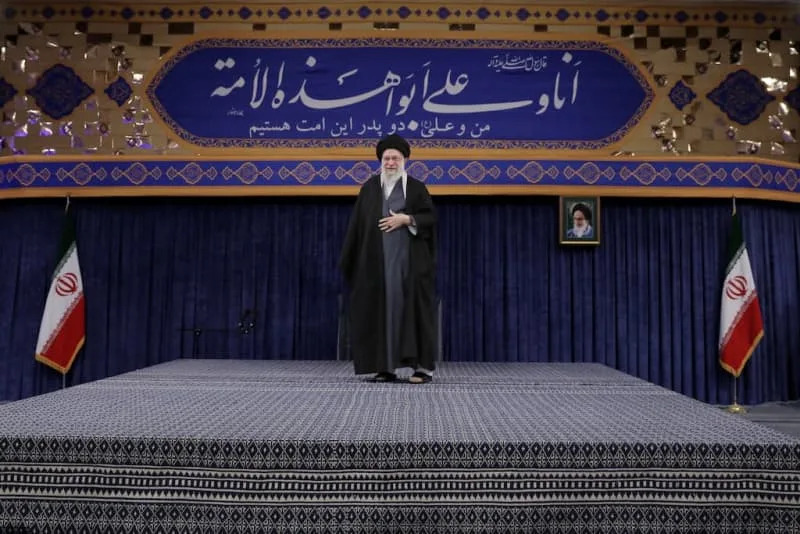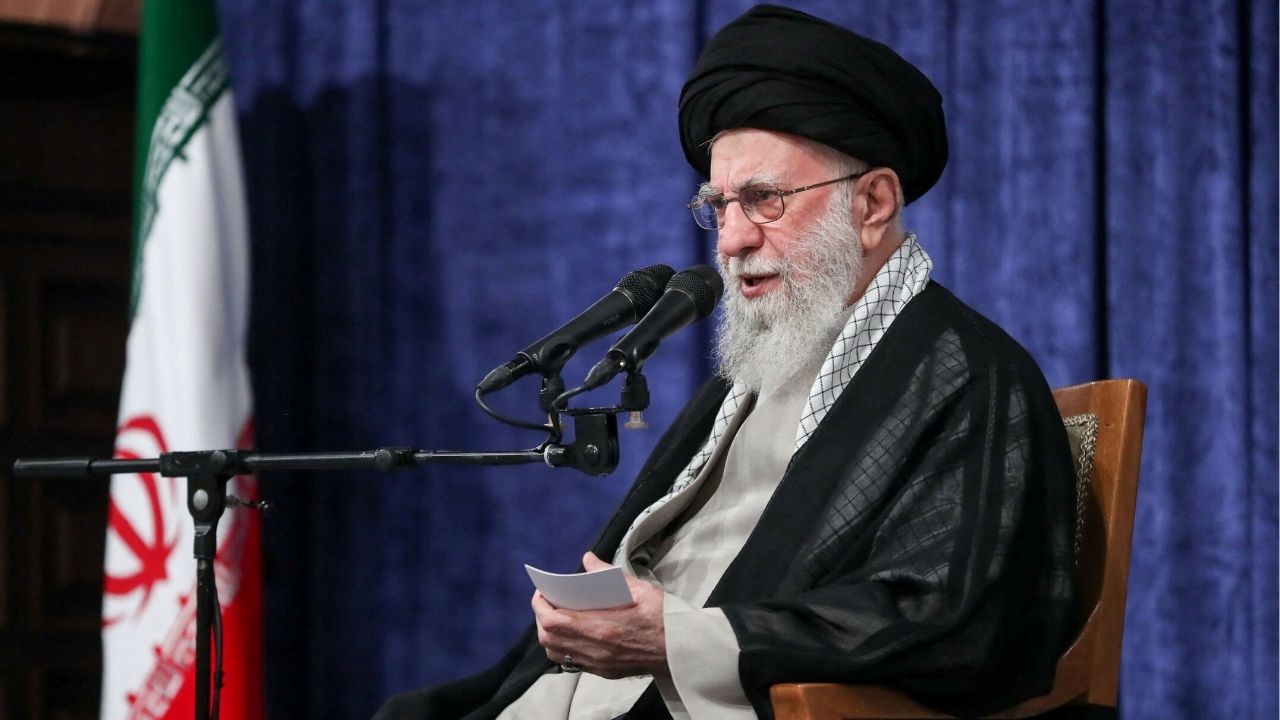
Iran’s Supreme Leader, Ayatollah Ali Khamenei, has reportedly relocated to a fortified underground bunker amid warnings from senior advisers about the possibility of imminent U.S. airstrikes. This development, detailed in a report by the New York Post on January 24, 2026, comes as tensions between Tehran and Washington continue to escalate.
According to unnamed sources familiar with Iranian security discussions, the 86-year-old cleric was advised to seek shelter as a precautionary measure. Khamenei is believed to be residing in a hardened underground facility designed to withstand aerial attacks, which is connected to a network of tunnels.
The report highlights a significant increase in U.S. military assets in the region, including aircraft carrier strike groups operating near the Persian Gulf. While U.S. officials have not confirmed any plans for airstrikes, the Pentagon has refrained from commenting on the situation.
Khamenei has reportedly delegated some operational responsibilities to aides and family members, maintaining communication with senior officials. Iranian authorities have not confirmed the supreme leader’s relocation, and the claims have not been independently verified.
Iranian officials have consistently warned that any direct attack on the nation’s leadership would provoke a severe military response. Recent statements from commanders of Iran’s Revolutionary Guard indicate that the country is prepared to retaliate against U.S. forces if the situation escalates further.
As tensions rise externally, Khamenei’s leadership also faces internal pressures, including economic challenges and periodic unrest. The supreme leader has previously accused the United States and its allies of attempting to destabilize Iran through sanctions and covert actions.
Neither the White House nor Iran’s mission to the United Nations responded immediately to requests for comment regarding these developments. The intricate dynamics surrounding Khamenei’s reported relocation reflect the ongoing volatility in U.S.-Iran relations and the potential implications for regional stability.