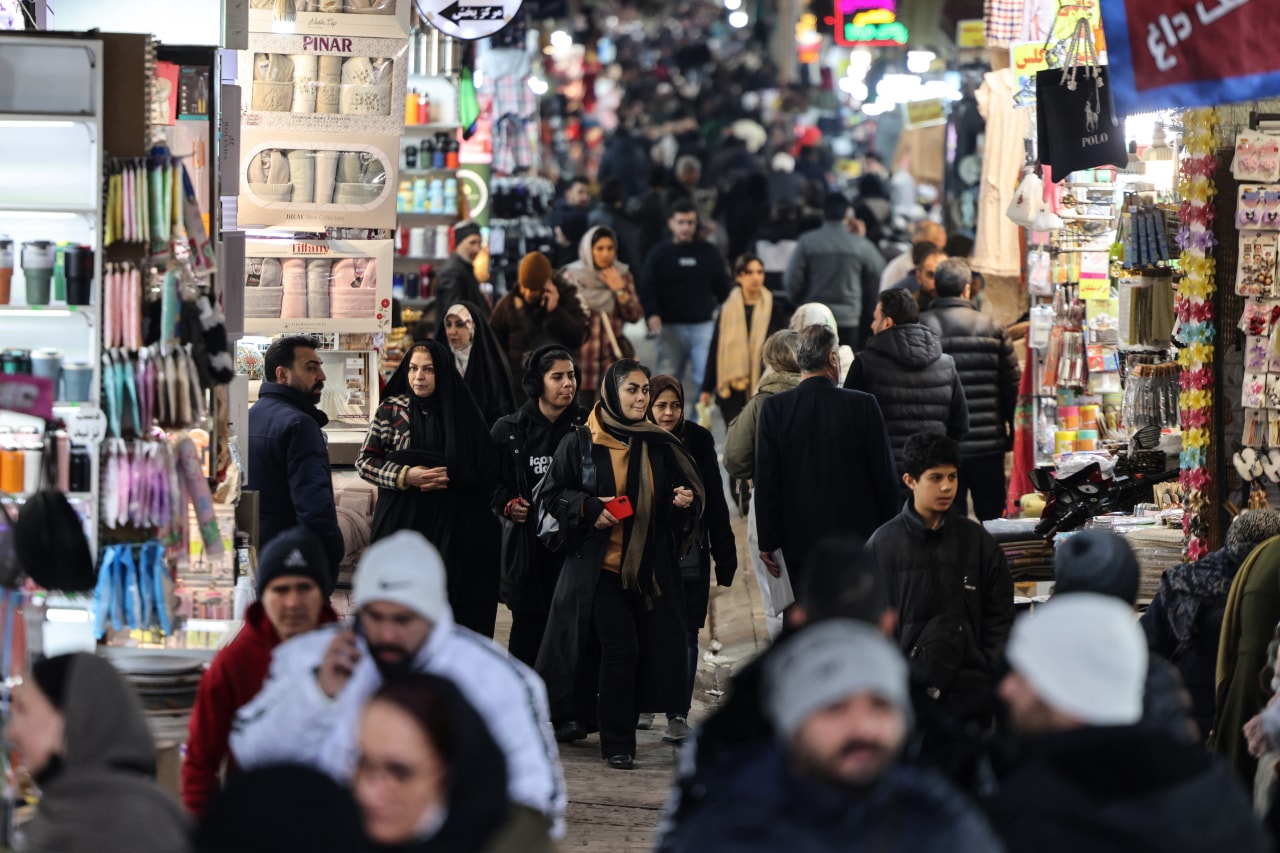
A recent study illustrates that the Azeri population in Iran is increasingly assimilating into mainstream Iranian society rather than fracturing along ethnic lines. This trend is particularly evident in urban areas, with large numbers of Azeris residing in cities such as Tehran, where they actively participate in various aspects of life, including culture, economy, and education.
The research, conducted by the University of Tehran, highlights how the Azeris have blended into the broader Iranian culture, often adopting the Persian language and customs while maintaining elements of their own heritage. The findings suggest that this integration reflects a significant shift in identity among the Azeri population, which numbers around 20 million within Iran.
A Changing Identity Landscape
Traditionally, the Azeris have been seen as a distinct ethnic group within Iran, often associated with their unique language and cultural practices. However, the latest data reveals that many young Azeris are now prioritizing their identification as Iranians. This is especially true for those living in metropolitan areas, where cultural exchange is more prevalent.
The study notes that Azeris in urban settings increasingly engage in social and economic activities that reinforce their connection to Iranian national identity. For instance, participation in national festivals and celebrations has become common, showcasing a willingness to embrace the broader societal norms while retaining aspects of their cultural identity.
Implications for National Unity
This integration trend could have important implications for national unity in Iran. By assimilating into the majority culture, Azeris may contribute to a stronger sense of belonging among various ethnic groups, potentially reducing tensions that have historically existed between different communities. The research suggests that fostering a unified national identity may help bridge gaps and promote harmony among Iran’s diverse populations.
Additionally, the growing representation of Azeris in various professional fields, including politics and education, underscores their influence in shaping the future of Iranian society. As they continue to navigate their dual identities, Azeris are likely to play a pivotal role in the ongoing evolution of Iran’s cultural landscape.
In conclusion, the assimilation of the Azeri population into mainstream Iranian society is not only a sign of changing identities but also a reflection of the potential for greater unity within the nation. The findings from the University of Tehran serve as a crucial reminder of the dynamic nature of cultural identities and the impact of urbanization on ethnic communities. As this trend continues, it will be essential to monitor how these changes influence the broader social fabric of Iran.