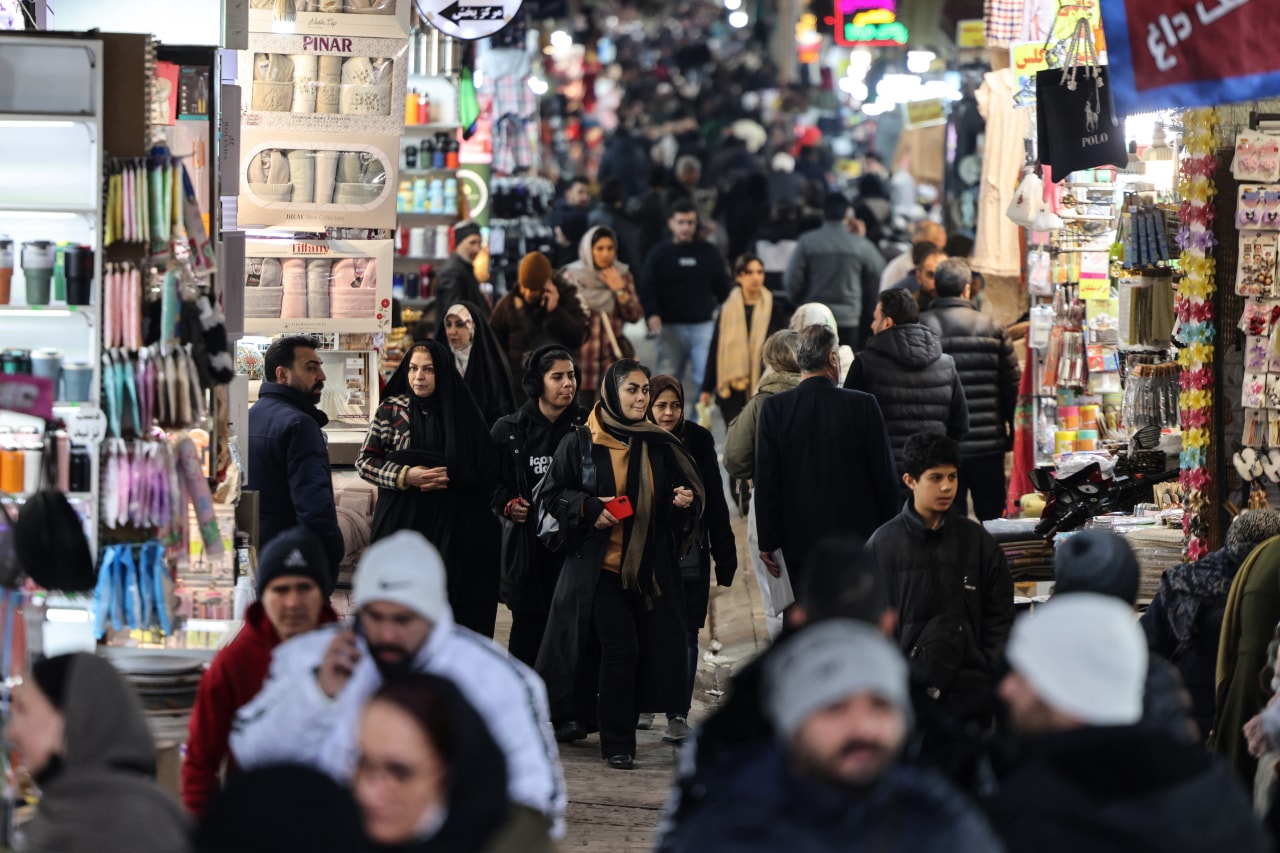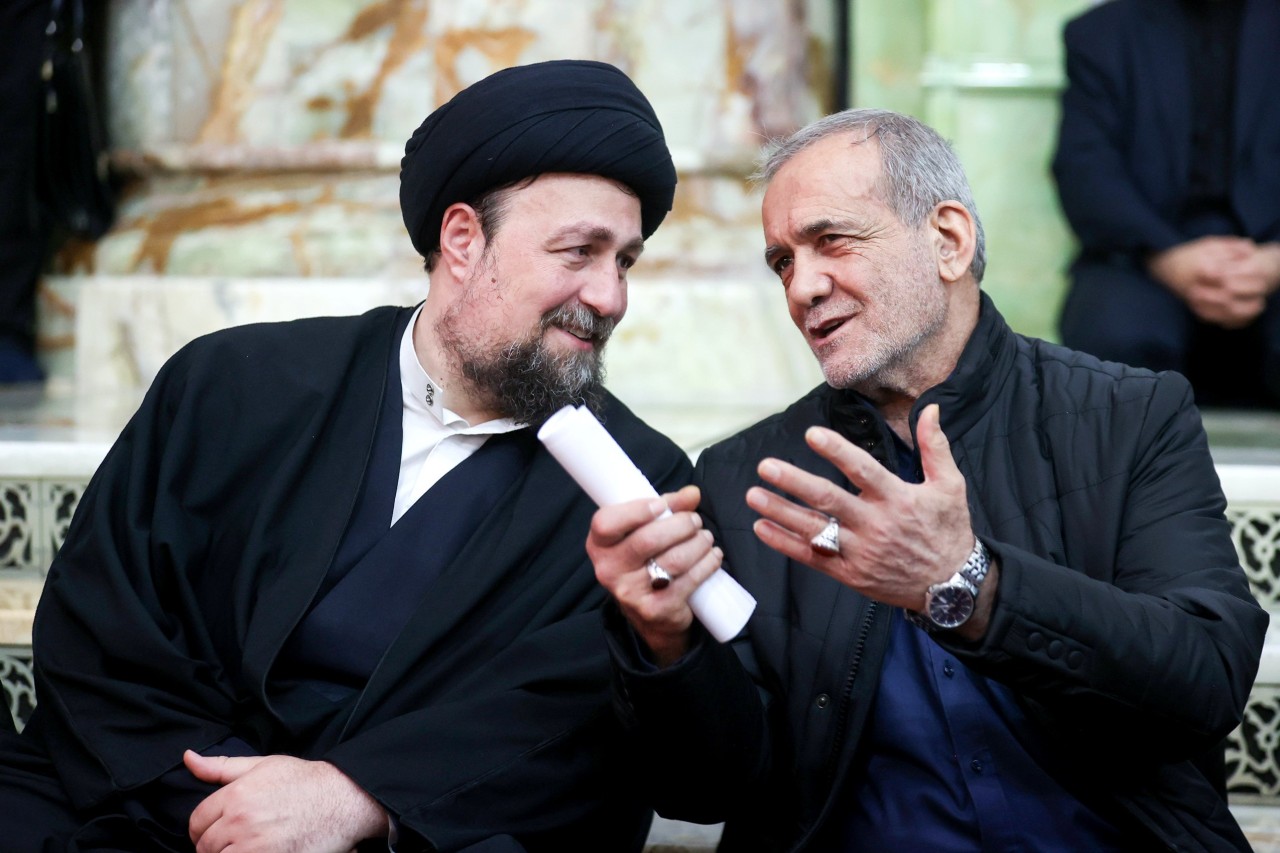
Protests in Iran have escalated into a significant challenge for the Islamic Republic, resulting in over 500 deaths since their inception. The government’s response has shifted towards a more severe crackdown, with authorities tightening their ranks against dissent. This intensification highlights the regime’s struggle to maintain control amidst growing public unrest.
Government Response to Protests
The protests, which began in November 2022 following the death of Mahsa Amini, have seen widespread participation across various demographics. Initially sparked by anger over Amini’s death while in police custody, the demonstrations have transformed into broader calls for societal and political reforms. As discontent has spread, the government has employed increasingly harsh tactics, leading to rising casualties and arrests.
According to reports from Human Rights Watch, the Iranian authorities have utilized excessive force to silence protestors. This includes the deployment of security forces and the use of live ammunition in several instances. These actions have drawn international condemnation, with organizations like the United Nations urging Iran to respect human rights and cease the violence.
International Reactions and Consequences
The international community has expressed alarm over the situation in Iran. The United Nations has called for an immediate investigation into the human rights violations occurring during these protests. Additionally, various governments have issued statements condemning the Iranian regime’s actions and demanding accountability.
The crackdown on dissent not only affects those directly involved in the protests but also has broader implications for Iran’s global standing. As the regime faces increased scrutiny, the potential for sanctions and diplomatic repercussions looms. Observers note that this cycle of repression could further alienate Iran from the international community.
While the Iranian government seeks to project strength by closing ranks, the underlying issues fueling the protests remain unresolved. Economic hardship, political repression, and social inequality continue to drive citizens to the streets, indicating that the challenge to the Islamic Republic may not subside anytime soon. The current situation underscores a critical juncture for Iran, as both internal and external pressures mount on the regime.
As Iran navigates this tumultuous period, the world watches closely. The outcomes of this struggle for rights and freedoms could shape the future of the nation and its relationship with the global community. With no signs of abating, the protests may well redefine the political landscape of Iran in the years to come.