Hawaiian Airlines has faced significant backlash after a memo suggested that the airline would remove all Hawaiian words from its communication to promote inclusivity. The announcement quickly drew criticism from the community, which viewed it as a threat to the airline’s cultural identity. Following the uproar, Hawaiian Airlines clarified that the memo had been poorly worded and emphasized its commitment to retaining the Hawaiian language in its operations.
The controversy began when a policy update was shared internally, stating, “In an effort to align our language to be inclusive for our entire employee population across the entire U.S., the Hawaiian words have been removed.” Critics swiftly condemned this statement, fearing it signaled a loss of the airline’s unique cultural heritage.
Clarification and Commitment to Culture
In response to the outcry, Hawaiian Airlines issued a correction, affirming that while some policy names would be updated, the airline would continue to incorporate Hawaiian words such as Mālama (to care), Hoʻokipa (hospitality), and Poʻokela (excellence) in its branding. Debbie Nakanuela-Richards, the airline’s Cultural Relations Director, explained that the initial memo did not accurately reflect the airline’s ongoing commitment to its Hawaiian roots. She stated, “Often times when you see things at face value, you don’t see the totality of where a statement came from or where a comment came from.”
The Hawaiian language holds official status in the state of Hawaii, and the airline recognizes the importance of preserving it as part of its identity. As part of its cultural practices, Hawaiian Airlines is dedicated to maintaining community outreach efforts, including support for Hawaiian immersion schools and language classes across the Alaska Air Group.
Business Context and Future Plans
Hawaiian Airlines was acquired by Alaska Air Group in September 2024 for $1.9 billion, a move that positioned the combined airline group as the fifth largest carrier in the United States. As part of the merger, the airlines will operate under their respective brands while sharing a frequent flyer program.
Despite the recent controversy, Hawaiian Airlines is focused on strengthening its cultural identity as it navigates its new relationship with Alaska Airlines. The merger is expected to enhance both airlines’ operations, with plans to expand into new domestic and international markets. The combined fleet will support over 140 destinations across Asia, Oceania, North America, and Europe, with a total of 443 aircraft in operation.
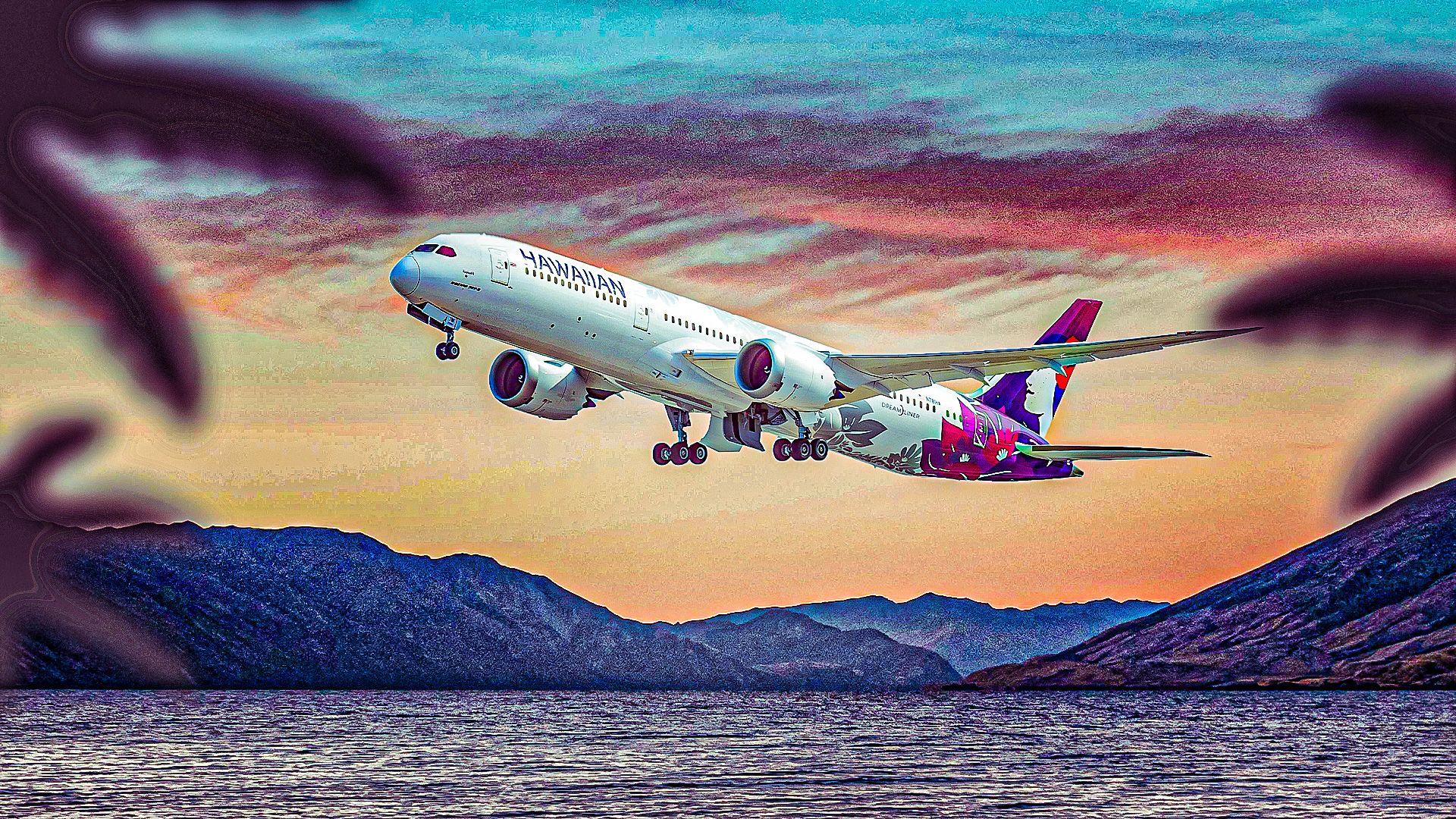
The acquisition is viewed as a strategic move for Alaska Airlines to access widebody aircraft, including the airline’s order for the Boeing 787, which has recently been repainted in the airline’s new livery.
As Hawaiian Airlines prepares to enter a global alliance, it reassures its passengers and employees that the airline will continue to honor its Hawaiian heritage. By integrating Hawaiian language and values into its operations, Hawaiian Airlines aims to foster a sense of community and connection, ensuring that the spirit of Aloha remains at the heart of its identity.