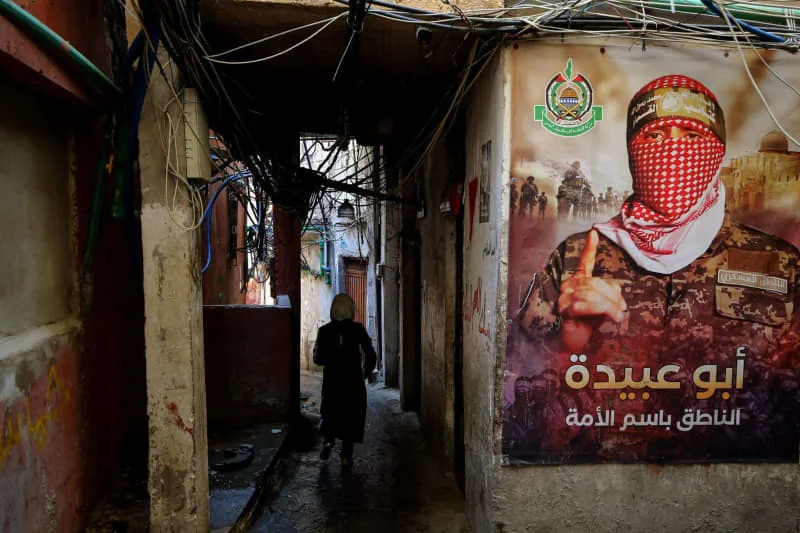
Palestinian militant group Hamas confirmed on December 18, 2023, the deaths of five high-ranking members during Israeli attacks in Gaza. Among the deceased is Mohammed al-Sinwar, the brother of Yehya al-Sinwar, who is widely regarded as the architect of the October 7 attacks. The announcement highlights the ongoing violence in the region and the significant losses sustained by Hamas as Israel intensifies its military operations.
In addition to Mohammed al-Sinwar, the fatalities include Abu Obeida, the former spokesman for the al-Qassam Brigades, Hamas’ military wing, and senior commander Raed Saad. Israel had previously announced Saad’s killing on December 13. Reports indicate that Saad was a chief planner of the attacks on southern Israel, which resulted in the deaths of around 1,200 people and the abduction of more than 250 individuals to Gaza.
The Israeli military has targeted numerous Hamas leaders in Gaza as part of its campaign following the October 7 attacks. Notably, Yehya al-Sinwar himself and senior commander Mohammed Deif have been reported killed. Furthermore, the political chief of Hamas, Ismail Haniyeh, was killed in a strike in Tehran last year.
Despite a ceasefire that was enacted on October 10, Israeli forces continue to pursue Hamas leadership in Gaza. This ongoing military focus underscores the fragile status of peace in the region. Khalil al-Haya, the highest-ranking Hamas official residing outside of Gaza, remains based in Qatar. He is actively leading the Hamas delegation in indirect negotiations with Israel, having survived a previous Israeli attack targeting Hamas officials in Doha in December.
The deaths of these prominent figures mark a significant moment in the conflict, further complicating the already tense situation in Gaza and raising questions about the future of Hamas’ leadership and its ability to coordinate operations amidst ongoing military pressure. With both sides entrenched in their positions, the prospect for lasting peace remains uncertain.