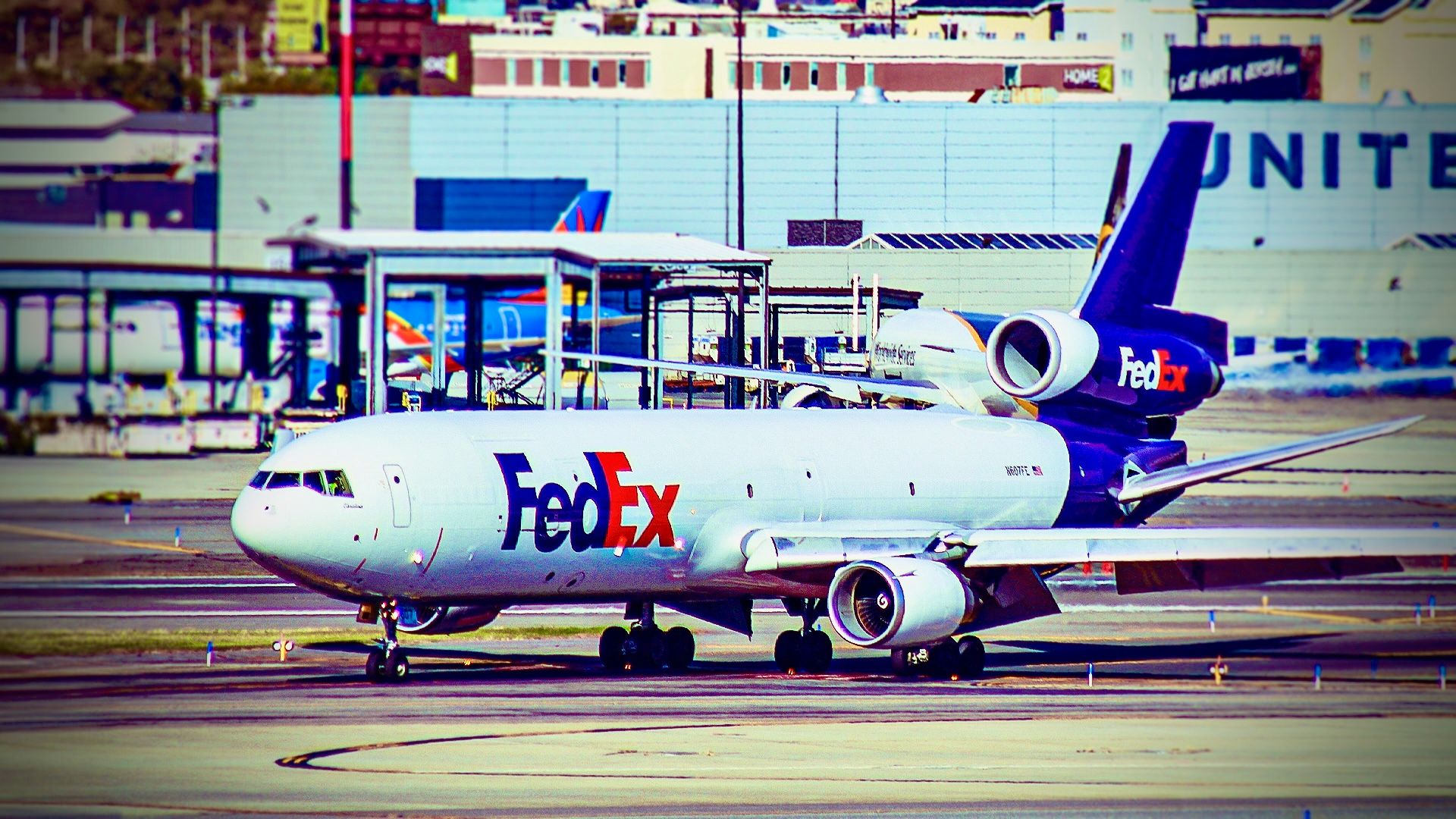
The McDonnell Douglas MD-11, a widebody trijet, left an indelible mark on aviation history. Manufactured between 1988 and 2000, the aircraft was a significant evolution of its predecessor, the DC-10. While it was celebrated for its unique design and capabilities, the MD-11 ultimately faced challenges that limited its commercial success.
One of the most distinguishing features of the MD-11 is its tail-mounted engine, also referred to as the number two engine. This design choice was inherited from the DC-10 and was aimed at optimizing fuel efficiency. In contrast to most trijets, where the center engine is integrated into the fuselage and concealed from view, the MD-11’s engine is mounted externally. This design allows for easier access during maintenance but comes with trade-offs in aerodynamics and aircraft handling.
Design Evolution and Market Positioning
The MD-11 represented McDonnell Douglas’s response to the evolving needs of the aviation market. The original DC-10, introduced in 1969, was primarily designed for medium to long-haul routes, competing closely with the Lockheed L-1011 TriStar. The MD-11 sought to match the range of the larger Boeing 747-200 and 747SP, featuring a stretched fuselage that increased passenger capacity and refined wings designed to enhance fuel efficiency.
Despite these improvements, the MD-11’s production was marred by financial struggles. McDonnell Douglas had been dealing with the fallout from early DC-10 accidents, which resulted in costly lawsuits. The company’s limited resources constrained its ability to innovate fully, leading to an aircraft that was ultimately less competitive in a market increasingly favoring twin-engine jets. By the end of its production, only about 200 units were sold, marking it as one of the less successful commercial aircraft in modern history.
The MD-11’s operational challenges were evident when it entered service. Despite being a trijet, it struggled against the more fuel-efficient twin-engine alternatives like the Airbus A340 and Boeing 777. These aircraft offered similar range capabilities while significantly reducing operational costs, making them more appealing to airlines.
Legacy in Cargo Operations
While the MD-11 faced hurdles in the passenger market, it found a niche in cargo operations. From its introduction, it was offered as a freighter version, and this model became popular among cargo airlines. The MD-11F, the freighter variant, distinguished itself as a modern and efficient option for freight transport, boasting greater capacity and range than competitors like the Boeing 767-300F.
Over a quarter of all MD-11s sold were freighter models. As passenger aircraft began to retire from service in the early 2000s, many were converted for cargo use, further extending the MD-11’s operational life. Major carriers such as FedEx and UPS incorporated the aircraft into their fleets, utilizing its capabilities for long-haul freight routes.
Despite being over 30 years old, many MD-11s continue to operate in cargo roles today. However, as these aircraft age and maintenance costs rise, operators are gradually phasing them out in favor of newer twin-engine freighters.
In summary, the McDonnell Douglas MD-11 is a testament to the complexities of aviation design and market demand. While it may not have achieved the commercial success anticipated upon its launch, its legacy as a reliable cargo aircraft endures. The MD-11 remains a significant chapter in the history of aviation, showcasing both the triumphs and challenges of aircraft design in a rapidly evolving industry.