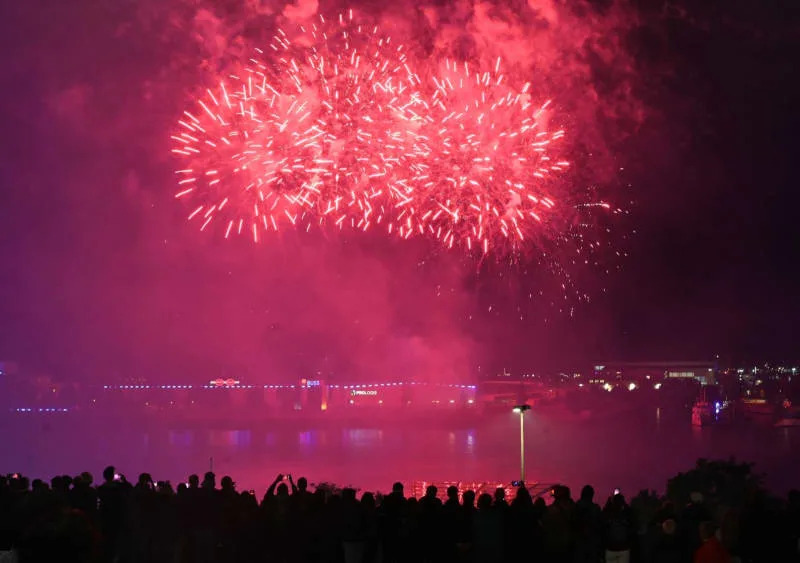
Demand for fireworks in Germany is on the rise, with the country’s largest manufacturer, WECO, reporting a 10% increase in the availability of rockets, firecrackers, and other pyrotechnics for the upcoming New Year’s Eve celebrations. This surge occurs despite ongoing criticism of the fireworks industry and calls for stricter regulations. WECO, alongside rival manufacturer COMET, indicates that the supply of fireworks is greater than the previous year, reflecting a growing trend in public interest.
According to the German Association of the Pyrotechnics Industry, overall availability in the sector is anticipated to rise. Sales of fireworks will be permitted from December 29 to 31, 2023, with unsold stock being returned to manufacturers. Notably, WECO reported that the return rate of unsold items last year was lower than expected, suggesting a robust consumer appetite.
WECO remains a key player in the market, employing around 260 staff across its facilities in Eitorf and Kiel. However, it produces only 15% of its sales domestically, with the majority of its products imported from China. The company’s turnover reached approximately €136 million (around $160 million) in the latest financial year, highlighting the significant economic impact of the fireworks sector.
Controversy Surrounding Fireworks
Despite the positive business outlook, the use of fireworks continues to spark debate in Germany. Animal welfare and environmental groups have raised concerns about the impact of fireworks on wildlife, particularly during winter months when energy reserves are critical for survival. In urban areas, such as Berlin, New Year’s Eve celebrations have drawn comparisons to war zones due to the noise and chaos associated with fireworks.
The GdP police union has added their voice to the call for a fireworks ban, citing increasing incidents of officers being attacked with fireworks during celebrations. This growing tension has led to disagreements among the interior ministers of the country’s 16 states regarding potential restrictions or bans on private fireworks displays. A recent court ruling overturned a ban on fireworks on the North Sea island of Föhr, indicating the complexities of implementing such regulations.
Klaus Gotzen, head of the pyrotechnics sector association, acknowledges the divided opinions on fireworks. He notes a trend towards “combined fireworks,” which allow for a more prolonged display with a single fuse igniting multiple effects. While some advocate for restrictions, others view fireworks as a cherished tradition.
Public Support for Fireworks
Despite the criticism, many Germans continue to support the tradition of celebrating the New Year with fireworks. Oliver Gerstmeier, WECO’s head of sales, believes that the rising demand reflects a clear majority who oppose a ban. “Ringing in the New Year with a colorful firework is a beautiful thing for many people,” he stated, advocating for respect towards this tradition rather than dismissive debates about prohibitions.
The fireworks industry contends that the issues surrounding fireworks stem from a “small number of troublemakers” in major cities, rather than the general public’s desire to enjoy the displays. As the New Year approaches, the debate over fireworks in Germany remains contentious, balancing business interests with environmental and public safety concerns.