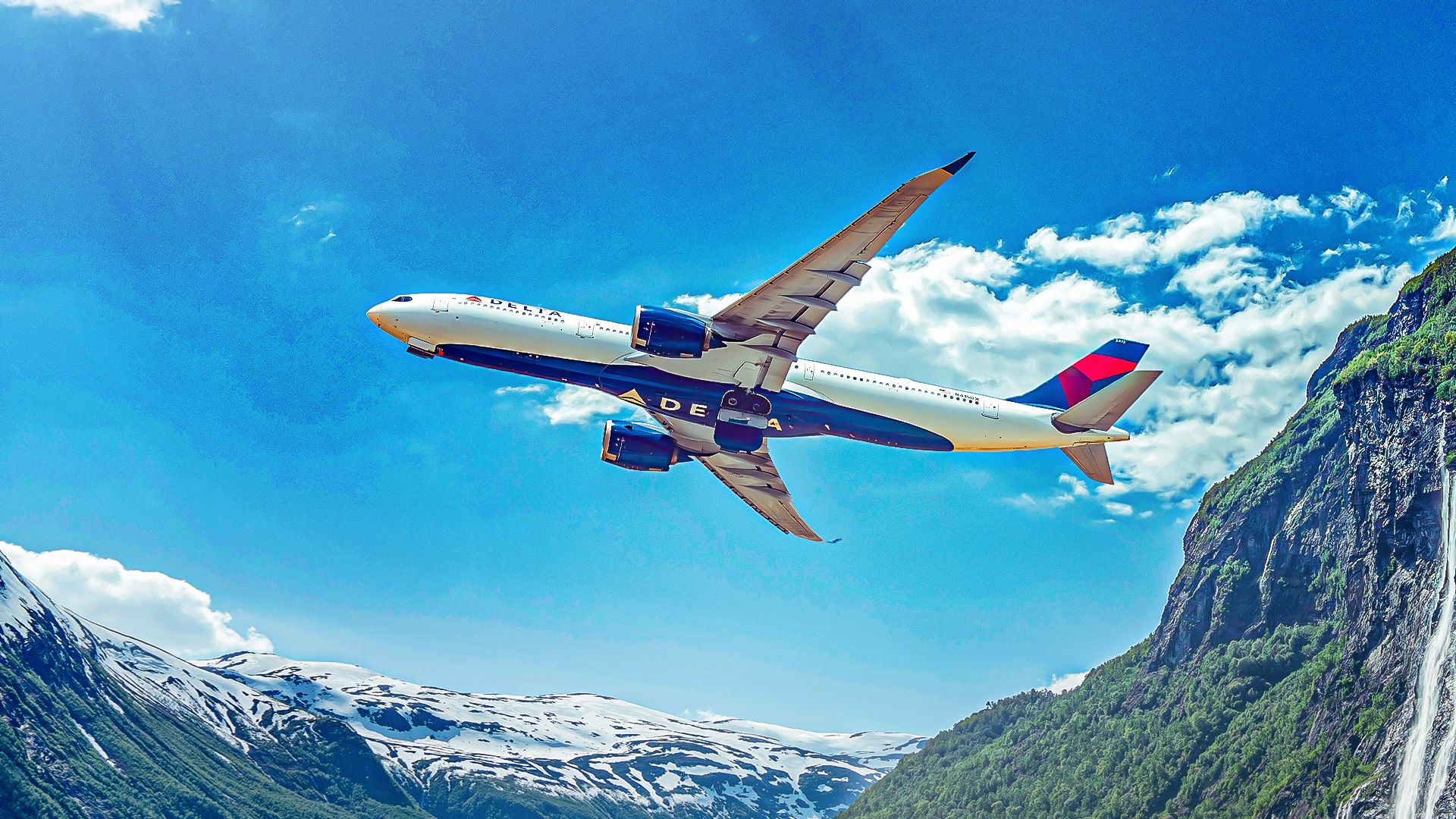
A Delta Air Lines flight from New York to Tel Aviv made an emergency landing in Dublin on March 11, 2024, due to a serious medical situation onboard. Approximately four hours into its flight, Delta Flight 234 declared a general emergency by transmitting a squawk 7700 while cruising at an altitude of 36,000 feet over the Atlantic Ocean. The flight crew decided to divert to Dublin Airport (DUB), where they successfully landed the Airbus A330-900.
The incident unfolded shortly after the aircraft departed from John F. Kennedy International Airport (JFK) at around 16:00 local time. The flight was scheduled for a ten-hour journey to Ben Gurion Airport (TLV) in Israel. Reports indicate that a passenger experienced a medical crisis, prompting the crew to prioritize landing in Dublin.
Safe Landing Amid Overweight Conditions
As the aircraft approached Dublin after spending around six hours in the air, it retained a considerable amount of fuel, necessitating an overweight landing. This type of landing requires careful management, as pilots must consider the increased weight when touching down. Fortunately, the Airbus A330-900, registered as N430DX, landed safely at 01:17 AM local time, with no injuries reported among the 158 passengers and crew.
Emergency medical teams met the aircraft upon landing and transported the affected passenger to a local hospital. The current condition of the individual remains unclear, and Delta Air Lines has been contacted for further updates.
After a ground delay of over two hours, the flight resumed its journey to Tel Aviv, taking off again just after 03:20 AM. It arrived safely at its destination at approximately midday local time, resulting in a total delay of about three hours.
Understanding Overweight Landings and Fuel Management
When a commercial airliner is faced with the need for an emergency landing, pilots typically have the option to dump fuel to reduce weight. This procedure is often necessary because of the maximum landing weight (MLW) restrictions that ensure safe landings. The Airbus A330-900 is equipped to jettison fuel if required, a feature common in larger aircraft designed for long-haul flights.
In this instance, the decision to proceed with an overweight landing rather than dumping fuel was likely influenced by the urgency of the medical situation. The crew assessed that they could safely manage the landing despite the additional weight, which is generally considered safer after several hours of flight than shortly after takeoff.
Following the incident, the aircraft underwent a thorough inspection to assess any potential damage from the landing. Reports indicate that a complete landing gear replacement may be necessary before the aircraft can return to operational status.
While emergency landings can be complex, the successful outcome of Delta Flight 234 reflects the training and professionalism of the flight crew, ensuring the safety of all onboard during a critical situation.