Travelers faced severe disruptions at Hartsfield-Jackson Atlanta International Airport (ATL) this past weekend, with many stranded on aircraft for up to 11 hours. Adverse weather conditions, including hailstorms and strong winds, led to the evacuation of the air traffic control tower, severely affecting flight operations. As a result, Delta Air Lines is now facing potential fines that could amount to millions of dollars.
The chaos began on March 15, 2024, when the National Weather Service issued severe weather warnings for Atlanta. Initially expected to bring rain and thunderstorms, the situation escalated with reports of nickel-sized hail and lightning, prompting the evacuation of the airport’s control tower until it was safe to return. This led to a ripple effect on Delta flights, with more than 150 flights cancelled and approximately 1,000 delayed, according to FlightAware.
Passengers recounted harrowing experiences, with many stuck on planes for hours. One flight reportedly remained on the tarmac from 11:30 PM until 4:00 AM, severely impacting travel plans. Reports indicated that some travelers described sleeping on the floor of the airport while waiting for their flights to resume, highlighting the extent of the disruption.
Delta requested a ground delay from the Federal Aviation Administration (FAA) on Friday morning, which resulted in an average delay of one hour for nearly 200 flights. As the situation worsened, passengers’ frustrations grew, with some remaining at the gate for over five hours before their flights were ultimately cancelled.
In a statement, Delta expressed regret over the situation, stating, “We apologize to our customers, as we know that a delay on the tarmac waiting for an arrival gate is frustrating. Delta people worked through severe weather challenges in ATL that drove gating constraints overnight. The safety of our customers and crew is our highest priority.”
The legal implications for Delta are substantial. Under U.S. regulations governing tarmac delays, airlines are required to have contingency plans in place. Passengers must be allowed to disembark after three hours for domestic flights and after four hours for international flights, barring safety or security concerns. This situation places Delta in a challenging position, as they now face scrutiny for their handling of the delays.
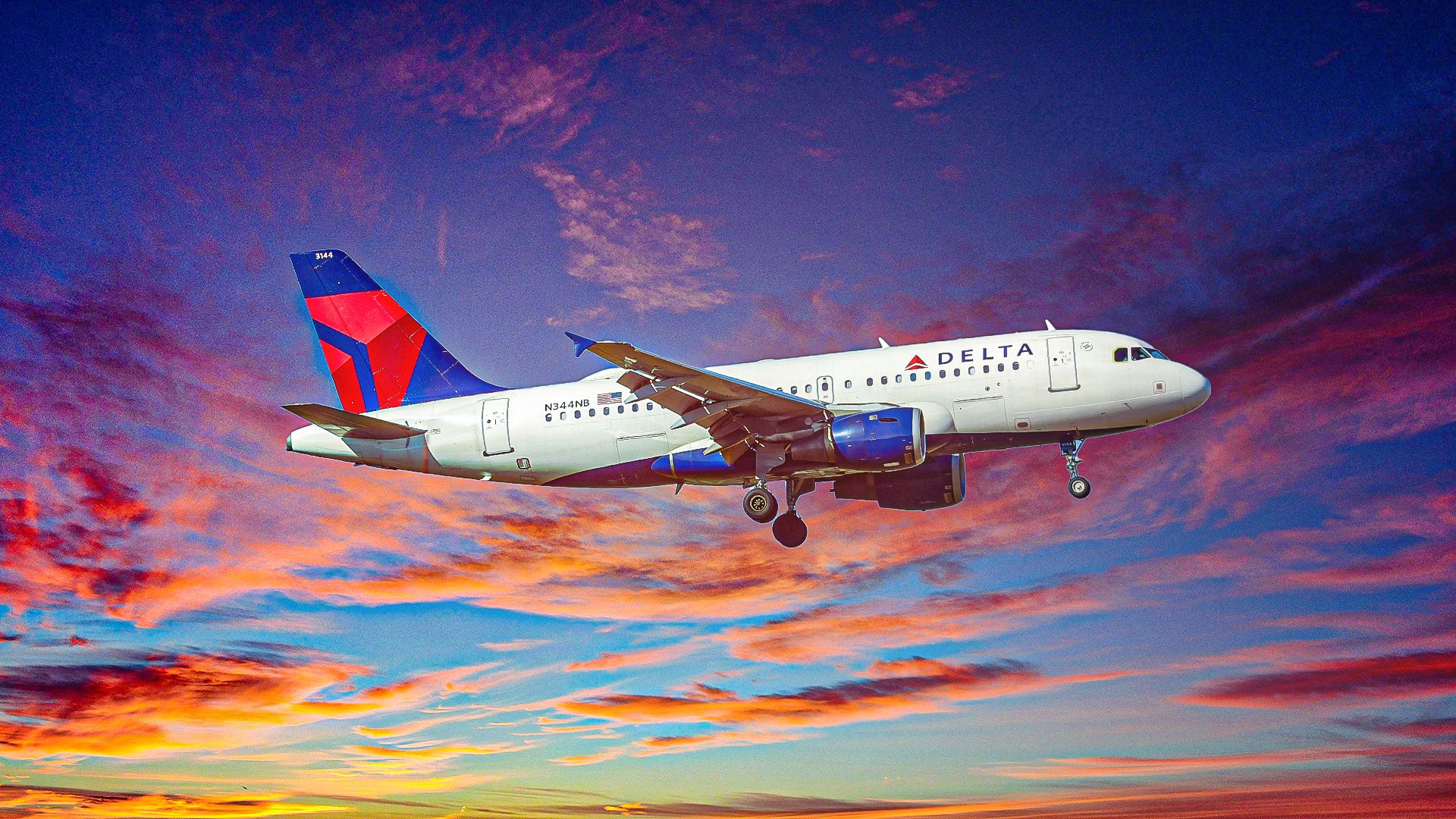
Delta, a major player in the U.S. airline industry and a member of the SkyTeam alliance, operates around 5,400 flights daily across its network, serving 325 destinations in 52 countries. With a workforce exceeding 100,000 employees, the airline’s operational challenges during this incident highlight the vulnerabilities that can occur during severe weather events.
As the investigation into the incident unfolds, the impact on Delta and its passengers will likely continue to make headlines.