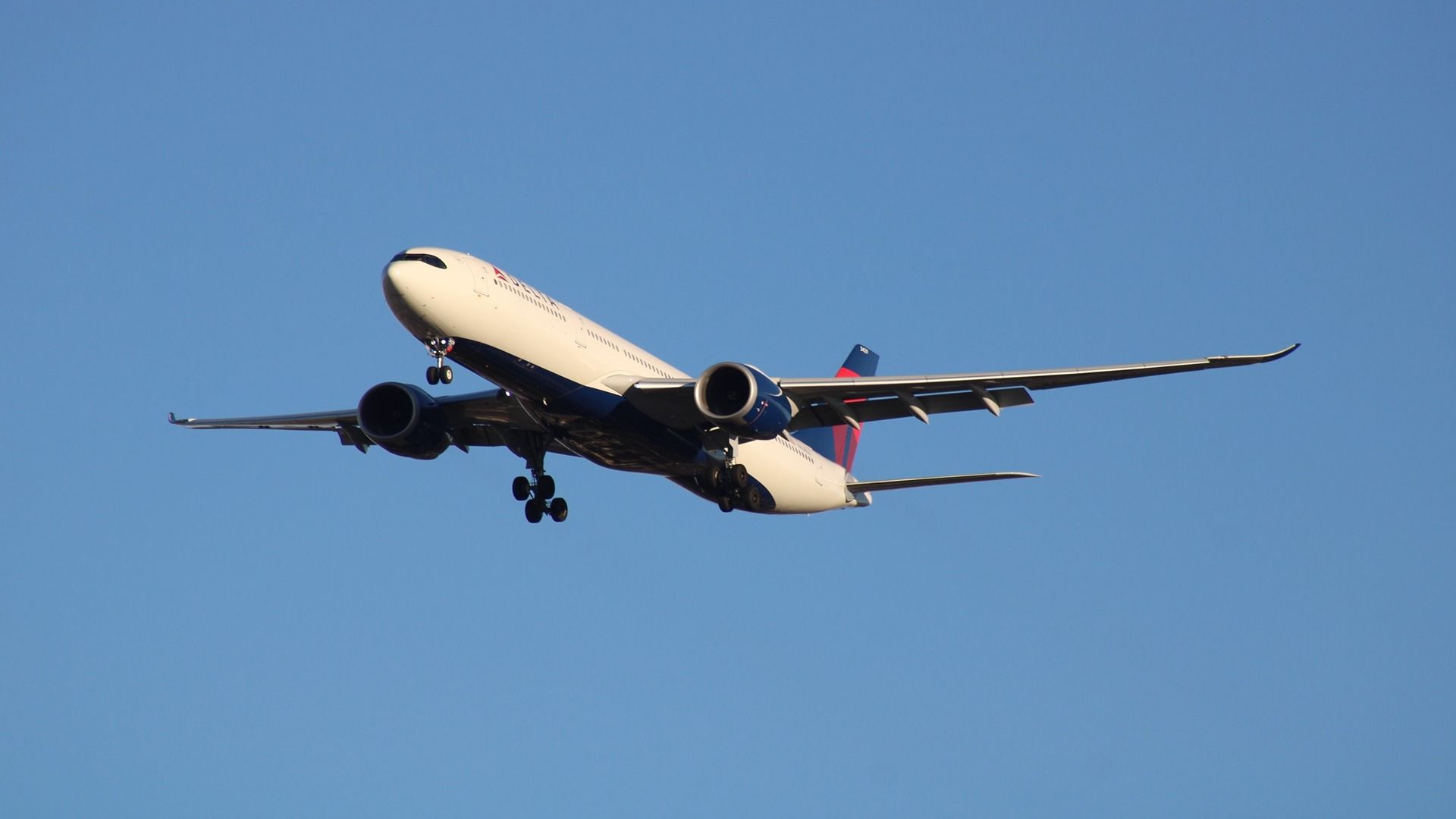
Delta Air Lines has announced plans to introduce ten new long-haul routes utilizing its Airbus A330neo aircraft, significantly enhancing its international service offerings. These routes, set to launch in 2026, will connect various global destinations, including Lagos, Nigeria, and Buenos Aires, Argentina. The A330neo serves as a pivotal component of Delta’s long-haul fleet, filling the gap between the smaller Boeing 767 and the larger Airbus A350.
The Airbus A330neo is designed for efficiency and capacity, making it particularly suitable for routes with moderate demand. This aircraft allows Delta to operate flights to city pairs that require more premium seating than the Boeing 767 can provide, yet do not justify the larger capacity of the A350. As Delta continues to enhance its premium service offerings, the A330neo has become an essential tool in its long-haul operations.
Key Long-Haul Routes and Distances
Delta’s new routes showcase the airline’s strategy to capitalize on long-distance travel. According to data from Cirium Aviation Analytics, the longest routes for the A330neo will include:
– Atlanta to Lagos, Nigeria: 5,842 miles (9,403 km)
– Seattle to Shanghai, China: 5,722 miles (9,209 km)
– Atlanta to Athens, Greece: 5,700 miles (9,173 km)
– Seattle to Rome, Italy: 5,688 miles (9,154 km)
– Atlanta to Accra, Ghana: 5,679 miles (9,139 km)
Other notable routes include services from New York-JFK to Tel Aviv, Israel, and Buenos Aires, which will provide crucial connections to these major international markets.
Analyzing the operational strategy reveals Delta’s focus on routes that typically require flights of approximately 10 to 11 hours in duration. These long-haul services will enhance Delta’s presence in Europe, North America, South America, Africa, and Asia.
Service Frequency and Market Demand
Beyond the distances covered, understanding the frequency of these routes is equally important. Delta operates its highest frequency service from New York’s JFK to Tel Aviv, with a projected 199 flights scheduled between January and June. This route caters to a premium-oriented market, particularly benefiting the large diaspora from the New York area.
In contrast, routes such as the Atlanta to Accra service are set to operate just 15 times during the same period. Similarly, the New York-JFK to Lagos route will see a comparable 15 flights. This variation in frequency illustrates Delta’s adaptability in meeting market demand while optimizing flight operations.
The A330neo’s introduction on these routes highlights Delta’s commitment to expanding its premium cabin offerings and enhancing operational efficiency. As the airline continues to refine its international service, the A330neo positions Delta to meet the evolving needs of long-haul travelers.
In conclusion, Delta Air Lines’ investment in the Airbus A330neo and the introduction of new long-haul routes reflect a strategic approach to expanding its global footprint. As demand for international travel rebounds, these routes are likely to play a crucial role in the airline’s growth trajectory, providing efficient and comfortable travel options for passengers across major destinations.