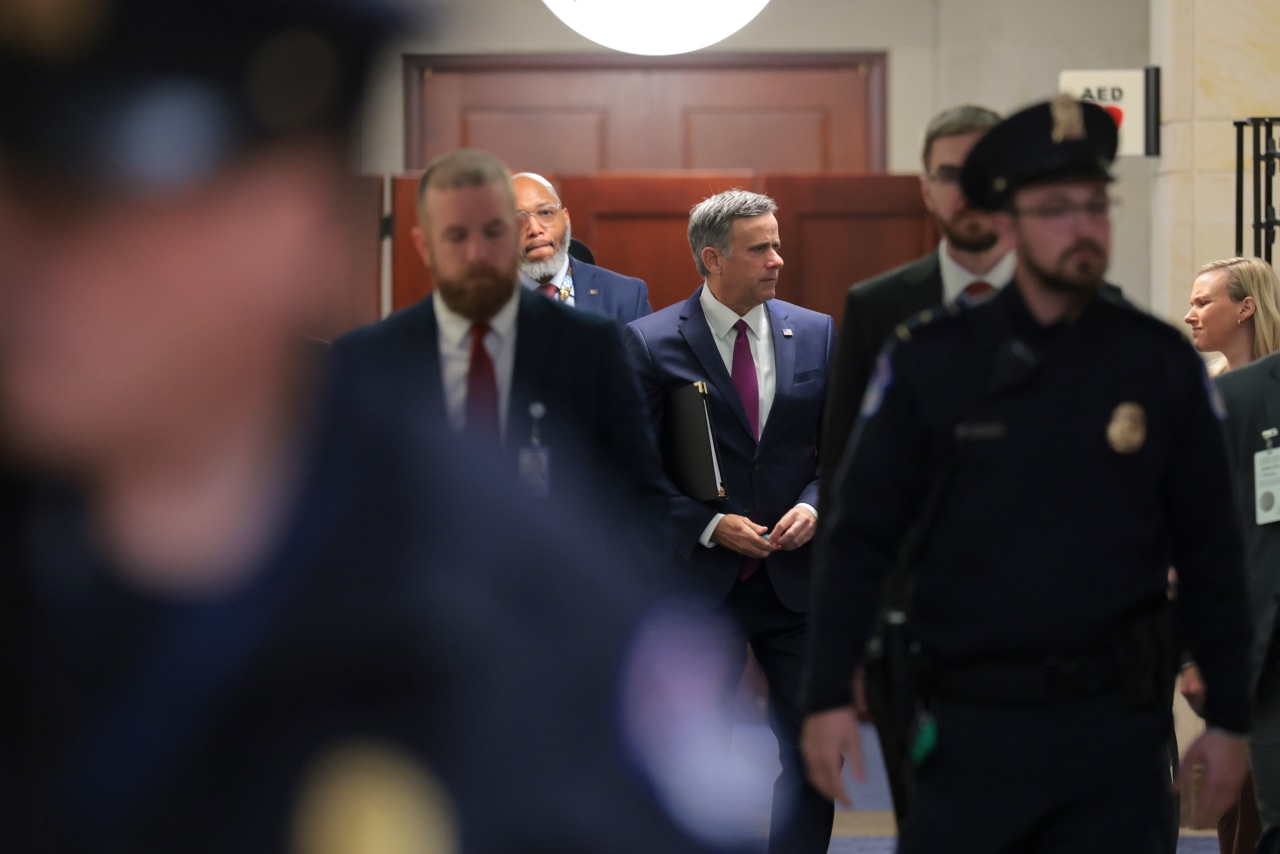
The Director of the Central Intelligence Agency (CIA), William Burns, made a significant visit to Caracas, Venezuela, where he met with the country’s Vice President, Delcy Rodríguez. This marks the first known trip by a senior U.S. official to Venezuela since U.S. Special Forces captured President Nicolás Maduro last month, a development that has heightened political tensions in the region.
During the October visit, Burns and Rodríguez discussed a range of issues, including the ongoing humanitarian crisis in Venezuela and the country’s political future. This meeting is considered pivotal as the U.S. seeks to navigate its relationship with Venezuela amidst significant changes in leadership dynamics.
Burns’ trip comes at a critical juncture. Following Maduro’s capture, the U.S. administration has been exploring diplomatic avenues to address the complex situation in Venezuela. The visit indicates a potential shift in U.S. policy towards more direct engagement with Venezuelan officials, particularly as the political landscape evolves.
The discussions between Burns and Rodríguez focused not only on the immediate political ramifications but also on broader issues such as economic recovery and human rights within Venezuela. The CIA Director’s presence underscores the U.S. government’s commitment to closely monitor developments in the country.
Rodríguez, who is a prominent figure in the Venezuelan government, emphasized the need for dialogue and cooperation between the two nations. “We are open to discussions that can lead to stability and peace in our region,” she stated during a press conference following the meeting.
The backdrop of this visit is the ongoing humanitarian crisis in Venezuela, which has seen millions of citizens fleeing the country due to economic instability and political repression. The U.S. has been a vocal critic of Maduro’s government, imposing a series of sanctions aimed at curbing the regime’s power.
The implications of this visit extend beyond immediate political concerns. Analysts suggest that renewed diplomatic efforts could pave the way for potential economic aid to Venezuela, contingent on political reforms and improvements in human rights conditions. The Biden administration has previously indicated that it is willing to reconsider sanctions if the Maduro government demonstrates a commitment to democratic principles.
As the situation in Venezuela continues to unfold, the outcome of Burns’ discussions with Rodríguez may play a crucial role in shaping future U.S.-Venezuela relations. The international community is watching closely as both nations navigate this complex landscape, looking for signs of a return to stability in a country long plagued by turmoil.
With this visit, the U.S. signals a willingness to engage directly with Venezuelan leaders, which could have far-reaching consequences for the region’s geopolitical landscape.