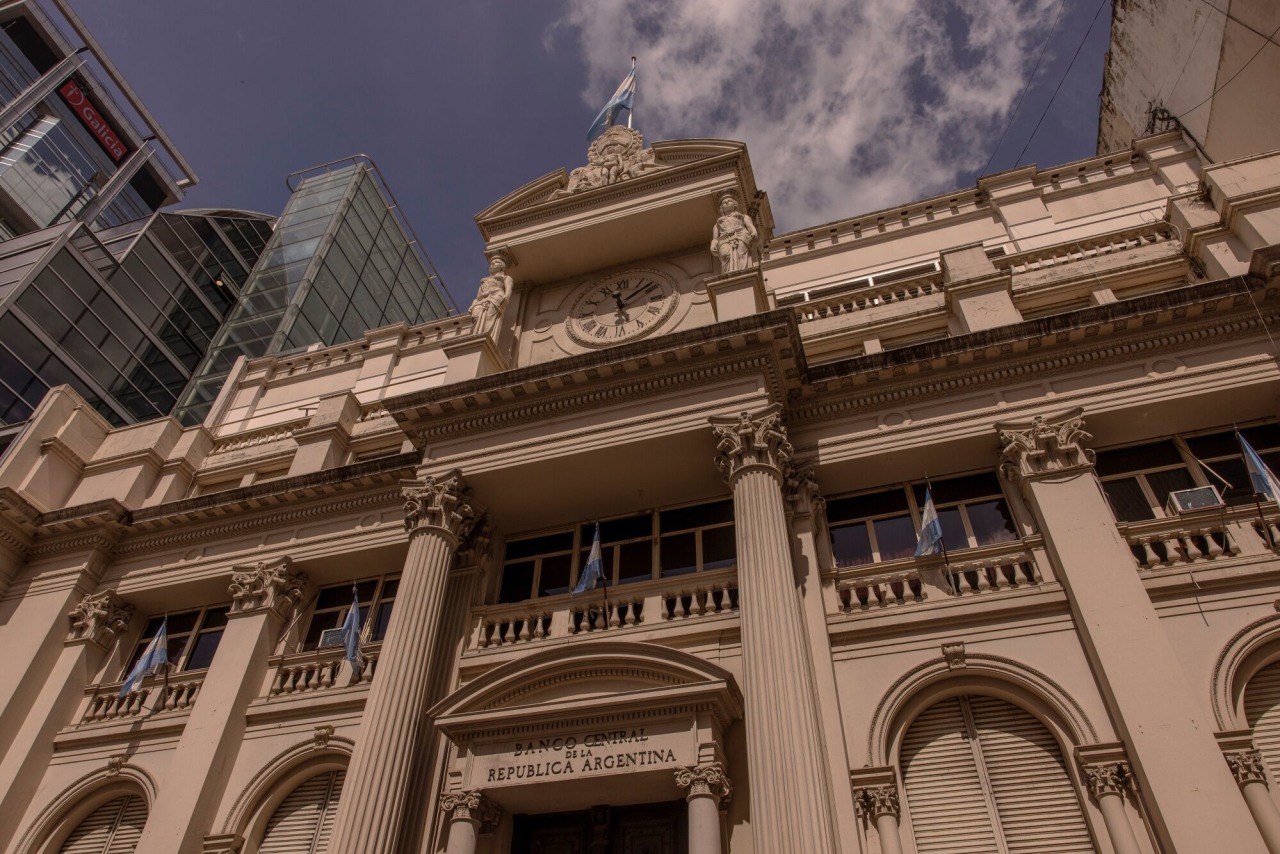
Argentina’s Central Bank has announced a significant policy change aimed at addressing the ongoing issues with the Argentine peso. The bank will adjust its currency band to combat what it describes as an overvalued peso and to bolster international reserves. This decision comes under the administration of President Javier Milei, who has prioritized economic reforms since taking office.
Policy Shift to Strengthen Economic Stability
The adjustment of the currency band is expected to play a crucial role in stabilizing the peso, which has faced persistent devaluation pressures. According to the Central Bank, this move is intended to create a more market-oriented exchange rate, which could help restore investor confidence.
Currently, the peso has been trading significantly lower on the black market compared to its official rate. The Central Bank’s action is designed to bridge this gap and enhance the country’s foreign exchange reserves, which have been dwindling. The bank’s reserves are critical for managing the nation’s debt obligations and ensuring a stable economic environment.
In recent weeks, Argentina has experienced heightened inflation, which has eroded purchasing power for many citizens. By allowing the peso to float within a newly established band, authorities hope to mitigate these inflationary pressures and foster a more predictable economic landscape.
Implications for the Argentine Economy
The adjustment comes at a time when Argentina is negotiating with the International Monetary Fund (IMF) for further financial assistance. The IMF has been closely monitoring Argentina’s economic policies, and this move may influence ongoing discussions regarding the country’s financial stability and reform commitments.
Market analysts have responded cautiously to the announcement. While some view the adjustment as a necessary step toward economic recovery, others express concerns about its potential short-term impacts on inflation and public sentiment. The success of this policy change will depend largely on how it is implemented and the public’s response to the new economic environment.
The Central Bank’s decision is part of a broader strategy to stabilize the economy and regain the trust of both local and international investors. With Argentina’s economic landscape in flux, all eyes will be on the effects of this currency band adjustment.
Moving forward, the government will need to balance the need for economic reform with the expectations of the population, who have faced significant financial challenges in recent years. The outcome of this policy change could set the tone for Argentina’s economic trajectory in the months ahead.