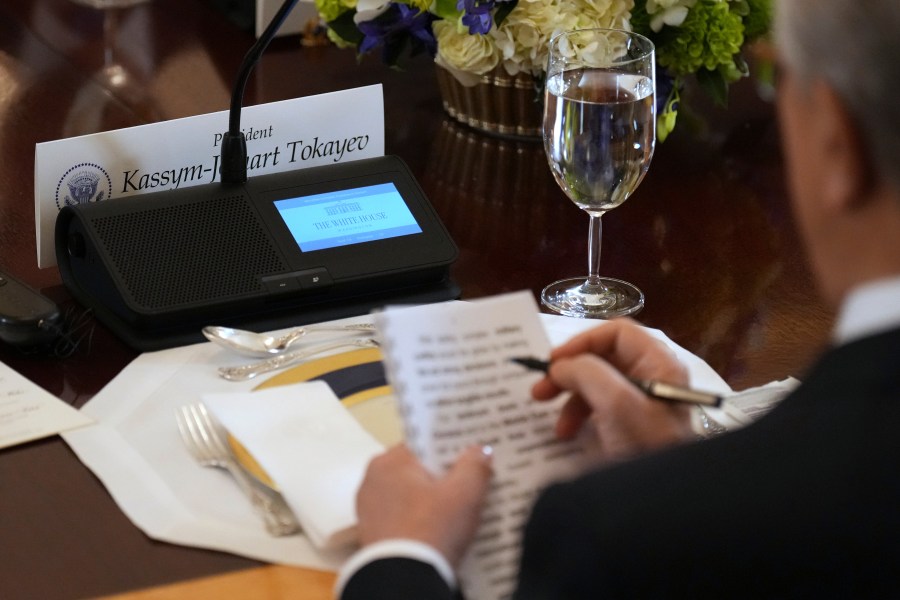
The Abraham Accords, a series of normalization agreements between Israel and several Arab states, are now expanding into Central Asia. This development marks a significant shift in diplomatic relations, potentially enhancing cooperation among nations in the region and strengthening ties with the United States.
The latest expansion includes new discussions involving countries such as Bahrain and the United Arab Emirates (UAE), aiming to foster economic partnerships and security collaborations. The move is seen as beneficial not only for Israel but also for the United States, which has been a key proponent of the Accords since their inception in 2020.
Strategic Importance of Central Asia
Central Asia’s geographic position makes it an area of strategic interest for both Israel and the U.S. The region serves as a crossroads for trade and energy resources, connecting Asia with Europe and the Middle East. By establishing ties with Central Asian countries, Israel hopes to expand its influence and counterbalance regional adversaries.
The U.S. has long viewed Central Asia as crucial for its geopolitical strategy, particularly in the context of counterterrorism and economic development. According to a statement from the U.S. State Department, the expansion of the Abraham Accords is expected to enhance stability and promote peace throughout the region.
Furthermore, the Accords can open avenues for economic cooperation, including trade agreements and infrastructure projects. These initiatives could lead to increased investment opportunities and job creation in Central Asia, positively impacting local economies.
International Reactions and Future Implications
Reactions to the expansion have been mixed. While many view it as a step towards greater stability, others express concerns about the potential for increased tensions with nations opposed to the normalization process. Critics argue that the Accords could exacerbate existing conflicts in the region.
Despite these concerns, proponents emphasize the potential benefits of diplomatic engagement. The Accords have already led to increased tourism, trade, and cultural exchanges among the signatory nations. As Central Asian countries join the fold, the hope is to replicate this success and foster a more interconnected region.
As the situation evolves, the full impact of these developments will become clearer. With discussions set to continue throughout 2024, observers will be watching closely to see how these diplomatic efforts unfold and what they mean for the future of relations in Central Asia.