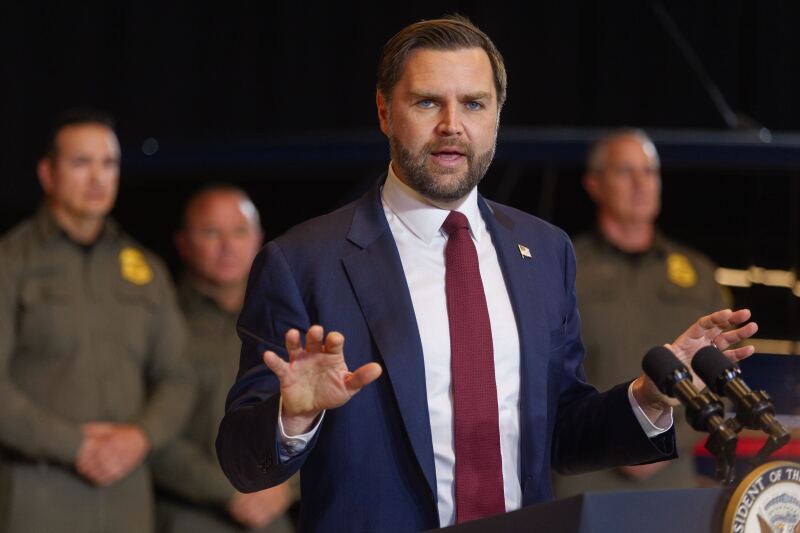
Vice President J.D. Vance traveled to Minneapolis on January 22, 2024, to address escalating tensions between local communities and federal immigration agents. His visit aimed to “turn the temperature down” after incidents involving protests against operations conducted by Immigration and Customs Enforcement (ICE). Vance attributed the unrest to a lack of cooperation from local officials, describing the situation as chaotic.
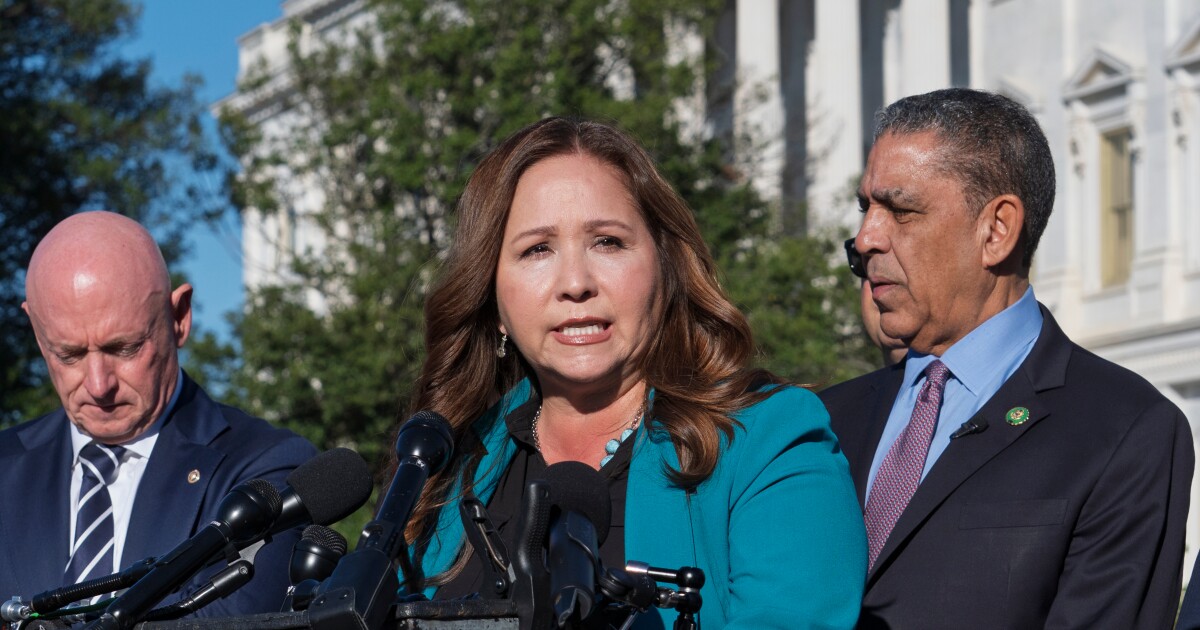
During a press event held at the Royalton Square event space in Minneapolis, Vance remarked, “I’m sure that people are seeing a lot of things that would make any member of our national community feel very upset.” He emphasized the need for context, arguing that the unrest was a direct result of state and local governments refusing to cooperate with federal immigration enforcement.
Federal Oversight and Local Cooperation
Accompanied by uniformed ICE agents, Vance addressed concerns about the safety of federal personnel. He stated that ICE agents have faced hostility and violence during their operations, leading to a heightened federal presence in the area. “The size of the force is in Minneapolis to protect people from rioters,” he noted, suggesting that such measures would be unnecessary with greater cooperation from the Minneapolis Police Department.
Vance described the deployment of federal agents as a response to protect both the public and ICE personnel from potential violence. He acknowledged the possibility of mistakes occurring during law enforcement operations but did not elaborate on whether tactics used by ICE agents had been excessive. “Even if 99.99% of the guys do everything perfectly, you’re going to have people that make mistakes,” he added.
The Vice President’s visit coincided with public outcry following reports that ICE agents had detained several students, including a five-year-old boy, in a nearby suburb. Although Vance did not address the specifics of this incident, he clarified that the child was not the target of enforcement but had accompanied his father, who was being apprehended.
Local Reaction and Federal Policy
Vance characterized the backlash against ICE operations in Minneapolis as unique, inviting local officials to support federal efforts to ensure more targeted enforcement. He expressed a desire to understand the specific local dynamics influencing the situation, noting that he had not contacted Minnesota Governor Tim Walz during his visit. Vance stated, “This has been a very unique, very Minneapolis-specific reaction to our enforcement of federal immigration laws.”
When pressed about an internal ICE memorandum indicating that agents do not require a warrant to enter homes for immigration enforcement, Vance clarified that such directives were applicable only in narrowly defined circumstances. “We’re never going to enter somebody’s house without a warrant,” he asserted. Nonetheless, there have been documented cases of ICE agents entering homes without judicial warrants.
Vance’s visit followed a tragic incident two weeks earlier, in which ICE agent Jonathan Ross shot and killed Renee Good, an observer who allegedly attempted to ram an agent with her vehicle. Vance maintained that he did not believe the situation warranted invoking the Insurrection Act to deploy federal troops for local law enforcement operations. He cautioned, however, that increased violence against ICE agents could necessitate a reconsideration of this stance.
The ongoing tensions in Minneapolis reflect a complex intersection of local sentiment, federal policy, and community safety, with Vance’s visit highlighting the urgent need for dialogue and cooperation among all parties involved.