UPDATE: President Donald Trump has ignited a firestorm of criticism following his shocking announcement on December 22, 2023, to pivot U.S. Naval strategy toward surface warfare with the proposed construction of a new class of battleships, dubbed the “Golden Fleet.” This bold move has drawn swift condemnation from key lawmakers and defense experts, raising urgent questions about its feasibility and strategic soundness.
The plan, which could involve the construction of 20 to 25 ships at a staggering initial cost of $15 billion for the first vessel, is stirring skepticism in a military landscape dominated by submarine warfare. Critics, including U.S. Rep. Joe Courtney (D-Conn.), who is poised to lead the influential House Armed Services Committee’s Seapower Subcommittee, are questioning the viability of such investments. “We should be all over this,” Courtney stated, emphasizing the outdated reliance on battleships, which he argues are “dangerously vulnerable” to modern threats.
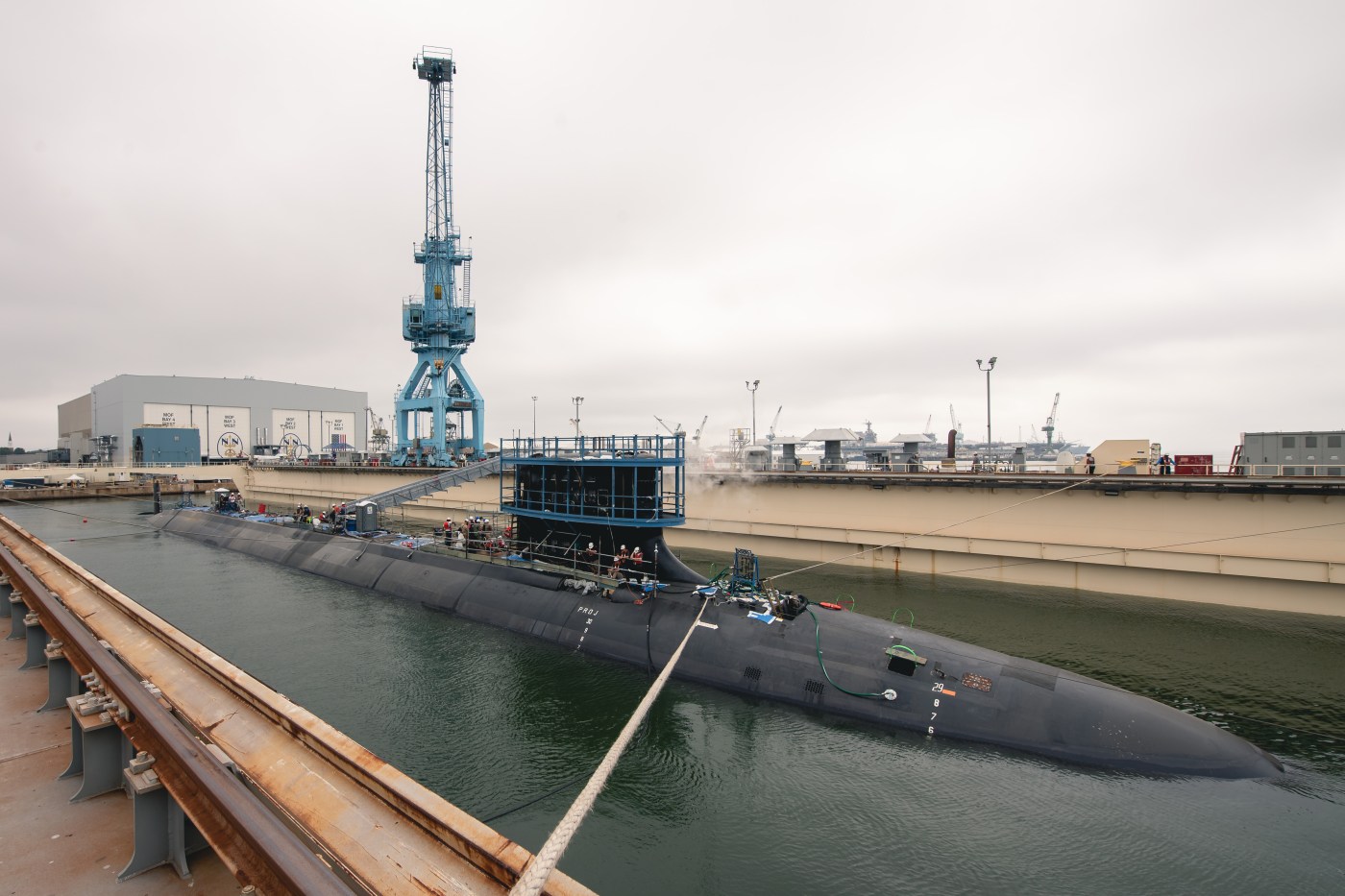
Trump’s announcement, made during a press conference absent of U.S. Navy personnel, comes amidst a backdrop of shifting defense priorities. The Pentagon’s recent reports have underscored the vulnerability of large surface ships like battleships, particularly against advanced missile technology developed by adversaries like China. Courtney pointed out that the focus on battleships contradicts the consensus that U.S. security relies on a fleet of agile, stealthy submarines capable of launching missiles from hidden positions.
As the Navy prepares to issue design contracts for the “Trump class” battleships, the timeline indicates that these vessels may not enter service until the late 2030s. Critics fear that this long-term commitment could detract from pressing needs in submarine construction, where the U.S. currently maintains a significant technological edge over China.
Courtney also noted that the defense budget recently approved by Congress includes no funding for the new battleships, further complicating Trump’s ambitious vision. “There’s been chatter about finding money for this over the holiday break,” he remarked, indicating a growing concern among lawmakers about the direction of U.S. naval capabilities.
The urgent implications of this proposal extend beyond military strategy. The U.S. submarine industrial base, which has contracted from 15,000 subcontractors during the Cold War to just 3,000 to 4,000 today, faces a crucial need for investment and workforce stability. With the Virginia-class and Columbia-class submarines already prioritized, experts warn that diverting resources to battleships could hinder recovery efforts in this vital sector.
Analysts, including Mark F. Cancian from the Center for Strategic and International Studies, predict that the battleship initiative may never materialize. “A future administration will cancel the program before the first ship hits the water,” Cancian stated, reflecting widespread skepticism within the defense community.
As concerns mount over the effectiveness of battleships in modern warfare, the push for Trump’s Golden Fleet highlights a broader debate about U.S. military readiness and strategic priorities. With tensions rising in the Indo-Pacific region, particularly in response to China’s aggressive military posture, the stakes have never been higher.
This developing situation demands close attention from both lawmakers and defense strategists as they navigate the complexities of modern naval warfare. The urgency is palpable, and the future of the U.S. Navy hangs in the balance. As Congress reconvenes, all eyes will be on how they address the contentious issues surrounding the Golden Fleet proposal and its implications for national security.