UPDATE: President Donald Trump has set his sights on Venezuela’s vast oil reserves, totaling more than 300 billion barrels, following the controversial capture of President Nicolás Maduro. This development raises urgent concerns as environmental experts warn of the severe climate implications tied to Venezuelan oil production.
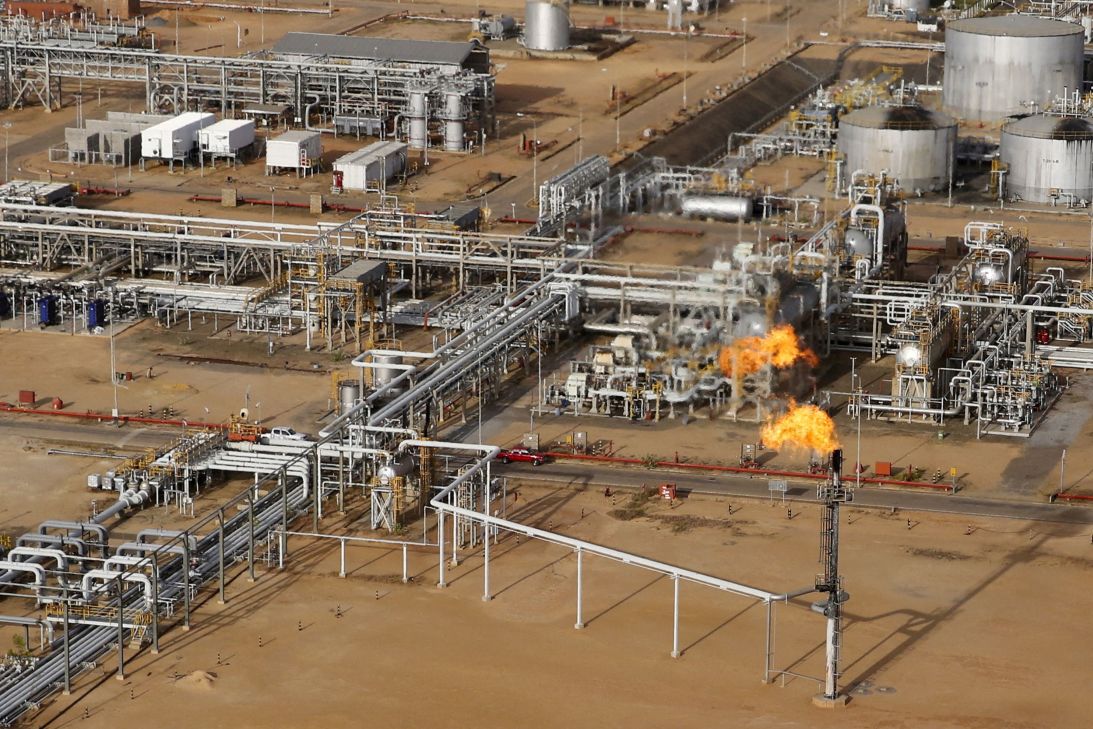
Venezuela is home to some of the dirtiest oil globally, primarily classified as heavy sour crude. Its extraction process is energy-intensive, requiring heating through steam to pump it from the ground, according to Lorne Stockman, co-director of research at Oil Change International. This method relies heavily on natural gas, which exacerbates carbon emissions.
Environmental risks expand further due to the country’s aging infrastructure, increasing the likelihood of methane leaks and spills. The International Energy Agency highlights that methane emissions from Venezuela’s oil and gas operations are six times the global average, raising alarms over significant climate impacts.
The urgency of this situation cannot be overstated. Current estimates suggest that every barrel of Venezuelan oil produced releases more than double the climate pollution compared to the global average, as reported by Patrick King, head of emissions research at Rystad Energy. The ongoing flaring practices—where excess natural gas is burned—contribute to this alarming statistic.
While Trump envisions a future where U.S. oil companies invest billions to exploit these resources, experts caution that the economic feasibility of such plans is questionable. Venezuela’s oil production has plummeted from around 2 million barrels a day in 2016 to under 1 million barrels currently, largely due to U.S. sanctions and lack of investment. It would require over $53 billion just to maintain current production levels, with aspirations to reach previous highs demanding an astonishing $183 billion in investment.
“We should not be digging this stuff up,” Stockman asserts, emphasizing the environmental risks tied to increased production. The Venezuelan Observatory of Environmental Human Rights reported 199 spills from 2016 to 2021, although the real number is likely much higher due to lack of reporting.
Climate experts from Carbon Tracker suggest that while U.S. intervention might reduce emissions in some aspects, the overall negative impact of exploiting Venezuelan oil remains. The extraction process itself is laden with costs, both financial and environmental, making it an unviable option in today’s energy market.
The broader climate implications of ramping up Venezuelan oil production could be dire. Diego Rivera Rivota from Columbia University warns that any significant increase in extraction would likely lead to a substantial rise in carbon emissions. However, experts like King suggest that increases in Venezuelan output may not translate to more oil globally if other regions see production declines.
As this situation develops, the global community must grapple with the potential consequences: a diversion from clean energy initiatives, the reinforcement of outdated resource-conflict mindsets, and instability that could hinder coordinated efforts against climate change.
The unfolding scenario surrounding Trump’s ambitions for Venezuelan oil underscores the critical intersection of energy policy and environmental stewardship. As the world watches, the stakes have never been higher for both the climate and the future of global energy markets.