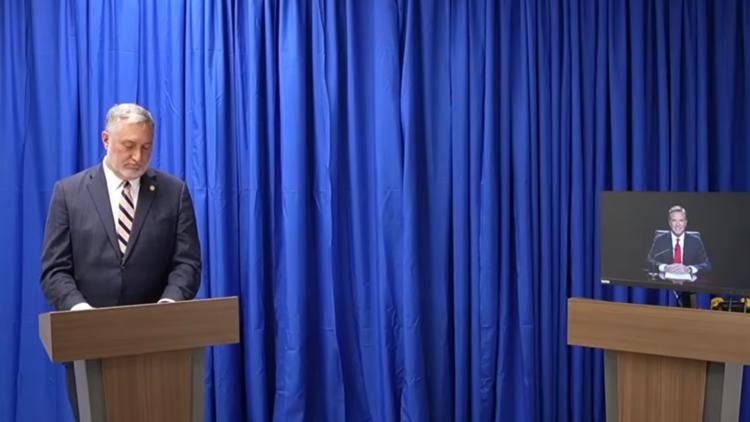
The City of Lowell is making significant strides in affordable housing development, highlighted by a recent visit from Ed Augustus, Secretary of the Executive Office of Housing and Livable Communities. During his visit on December 5, 2023, Augustus engaged with the Lowell Housing Authority (LHA) regarding the ambitious Merrimack Corridor Housing Project, an initiative poised to invest nearly $100 million in the Acre neighborhood.
Augustus’s engagement in Lowell is notable, as he has visited the city frequently to assess various housing projects. Following a presentation from the LHA, he toured the North Common Village, which is part of the ongoing efforts to enhance housing opportunities. Augustus also attended the ribbon-cutting ceremony for a new, energy-efficient affordable housing development at 733 Broadway Street. This project will add 52 affordable apartments to the community while preserving the historic character of the site, formerly home to the Merrimack Valley Food Bank.
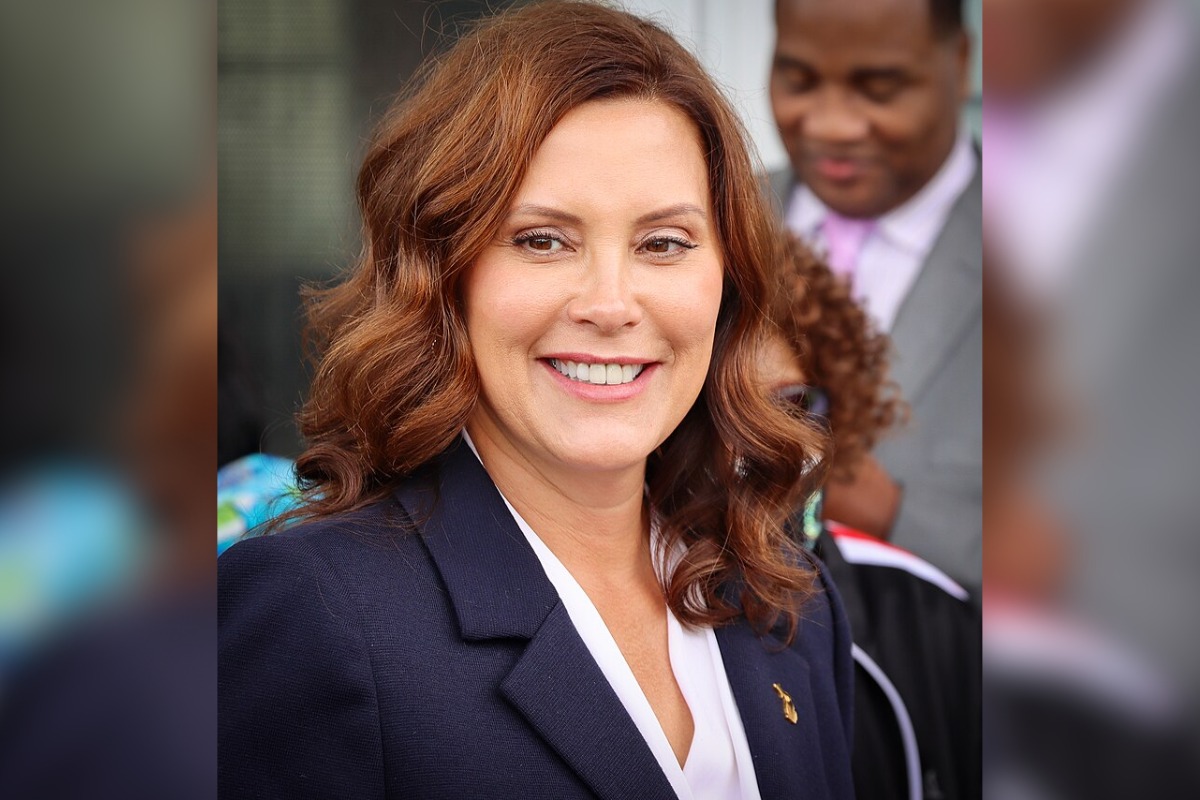
In early 2024, Augustus plans to revisit the city to view several pre-development and in-progress housing projects that will contribute nearly 300 new units to Lowell’s housing stock within a 0.4 km radius of City Hall. His commitment to the city was further solidified during a summer visit alongside Governor Maura Healey, where they announced the Housing Development Incentive Program. Lowell received $4.5 million from this program, the largest allocation from a total of $27 million distributed to various projects across Massachusetts.
The LHA’s proactive approach has kept Lowell on Augustus’s radar, which is beneficial for the city as it seeks to expand affordable housing options. Augustus remarked, “Lowell has been punching above its weight in terms of housing, not just public housing but housing in general.” This statement underscores the city’s pivotal role in addressing housing shortages in Gateway Cities across the state.
Community Initiatives Respond to Humanitarian Needs
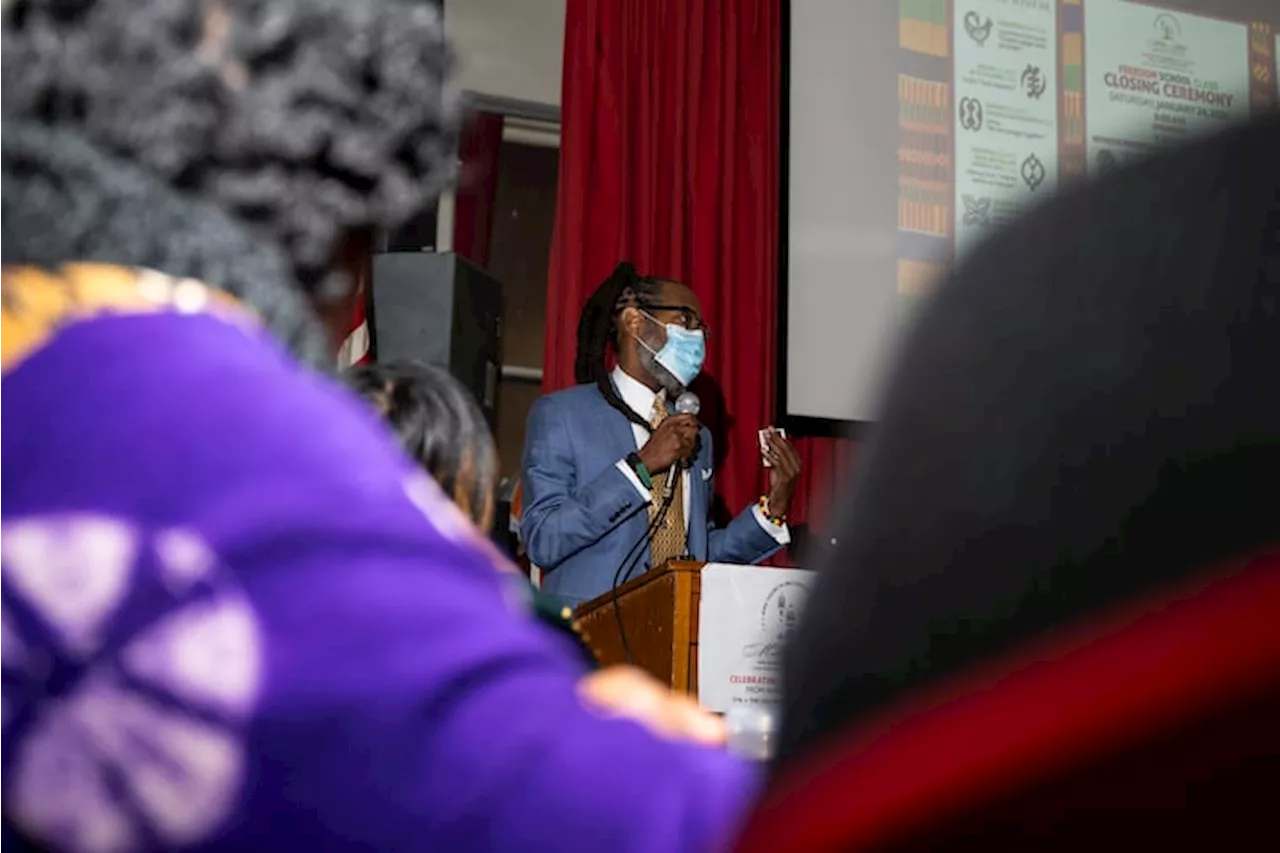
In a notable shift from political fundraising, State Representative Rodney Elliott has adapted his campaign efforts to address a humanitarian crisis affecting the Cambodian community. Originally set to host a fundraiser for his state Senate campaign on December 27, Elliott has redirected his efforts towards raising funds for the 400,000 to 500,000 refugees displaced along the Thai-Cambodian border due to escalating tensions and violence.
Elliott expressed the urgency of supporting those affected, stating, “I decided it would be more important to raise money for the refugees who are without homes, food, or water.” The event, now scheduled from 7 p.m. to midnight, will feature music by the Arun Reas Band, with suggested donations starting at $40 to cover costs and support aid efforts.
The special election for the 1st Middlesex Senate District, which includes towns like Dracut and Dunstable, is set for February 3, 2026, with the general election following on March 3.
Local Governments Seek Increased Support
In a related development, the Select Board of Tyngsboro has voiced concerns regarding the financial challenges faced by municipalities across Massachusetts. Responding to two reports from the Massachusetts Municipal Association, Tyngsboro officials emphasized the “urgent need for increased local aid.”
The October report, titled “The Perfect Storm,” highlights the fiscal pressures municipalities face over four decades after the implementation of Proposition 2½, which limits property tax increases. The subsequent December report, “Navigating the Storm,” outlines policy recommendations aimed at stabilizing municipal finances, which have suffered due to insufficient state aid.
The Tyngsboro Select Board’s response supports a proposal from Fairhaven, advocating for the allocation of a portion of the interest earned from the state’s Stabilization Fund back to municipalities. This approach, they argue, would offer immediate relief without compromising the fund’s integrity.
In their conclusion, Tyngsboro officials stated, “We believe that the solution lies within the taxes already paid to the Commonwealth by residents of communities like ours.” They emphasized the importance of increased support to prevent mounting deficits that could undermine the quality of life for residents.
The discussions surrounding housing and municipal support highlight the ongoing challenges and collaborative efforts within Massachusetts to address pressing community needs. As local leaders and state officials work together, the focus remains on ensuring sustainable development and adequate resources for all residents.