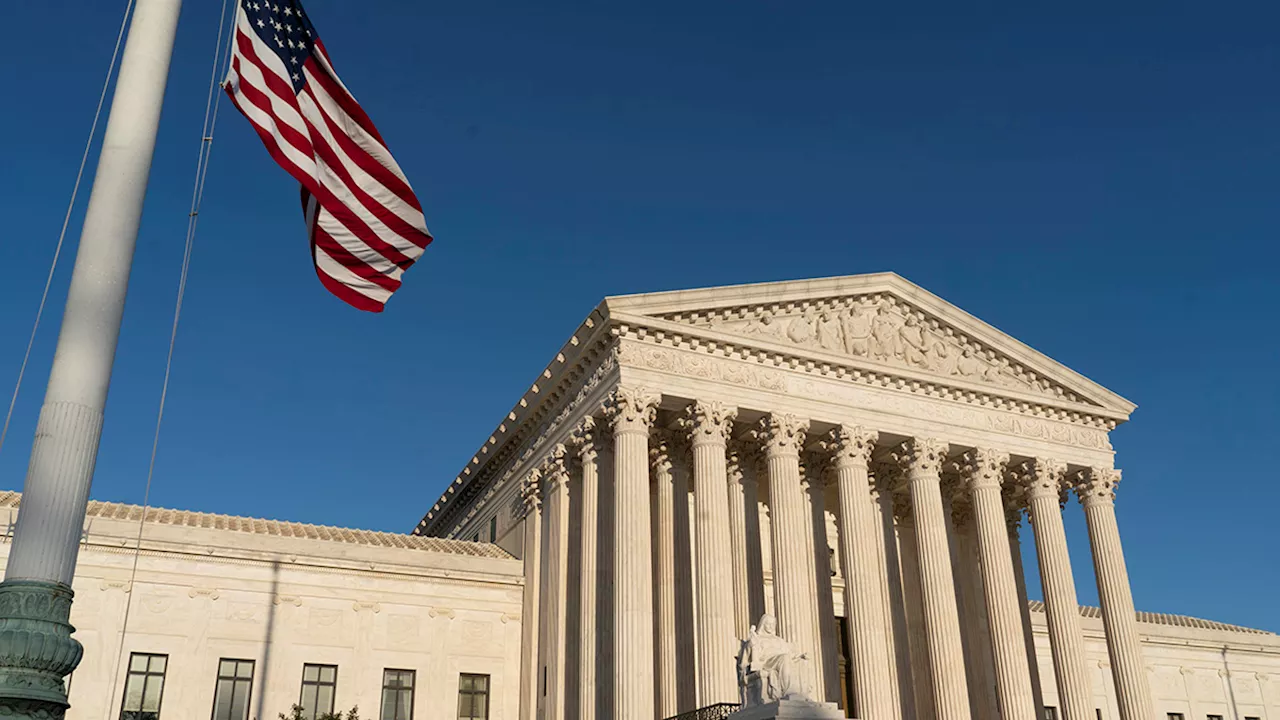
UPDATE: The Supreme Court has just announced it will hear a critical case regarding President Donald Trump’s executive order on birthright citizenship, challenging over a century of legal precedent. This urgent legal battle could redefine citizenship for children born in the U.S. to parents who are undocumented or temporarily present.
The justices will review this contentious order, which Trump signed on January 20, 2025, the very first day of his second term. It aims to declare that children born to parents in the United States illegally or on temporary visas are not automatically American citizens. The implications of this ruling could impact countless individuals and reshape the landscape of U.S. immigration policy.
The Supreme Court’s decision comes amidst a backdrop of significant immigration enforcement actions by the Trump administration, including the controversial invocation of the 18th-century Alien Enemies Act. Legal experts warn that if the order is upheld, it would dismantle the long-standing protections established by the 14th Amendment, which has guaranteed citizenship to anyone born on American soil for over 125 years.
In recent months, lower courts have consistently rejected Trump’s citizenship order, labeling it unconstitutional. The justices will now address whether these lower court decisions are valid, potentially setting a new precedent for immigration law.
The outcome of this case is critical, not only for the individuals directly affected but also for the broader implications on civil rights and citizenship in America. Advocacy groups are already mobilizing, citing that every court to evaluate the order has ruled it likely violates the Constitution.
Next Steps: The Supreme Court will hear arguments in this case in the spring of 2025, with a definitive ruling expected by early summer. As the justices prepare to deliberate, the administration’s position is backed by 24 Republican-led states and numerous lawmakers, including Senators Ted Cruz and Lindsey Graham.
D. John Sauer, a top attorney for the administration, argues that children born to parents who are not citizens should not be “subject to the jurisdiction” of the U.S., thus denying them citizenship rights. This legal reasoning is set against a backdrop of intense public interest and debate about immigration policy in the United States.
As this case progresses, it is essential to monitor how it influences not just the lives of those born in the U.S. to undocumented parents but also the broader implications for U.S. immigration policy and civil rights.
Stay tuned for more updates as this significant legal battle unfolds.