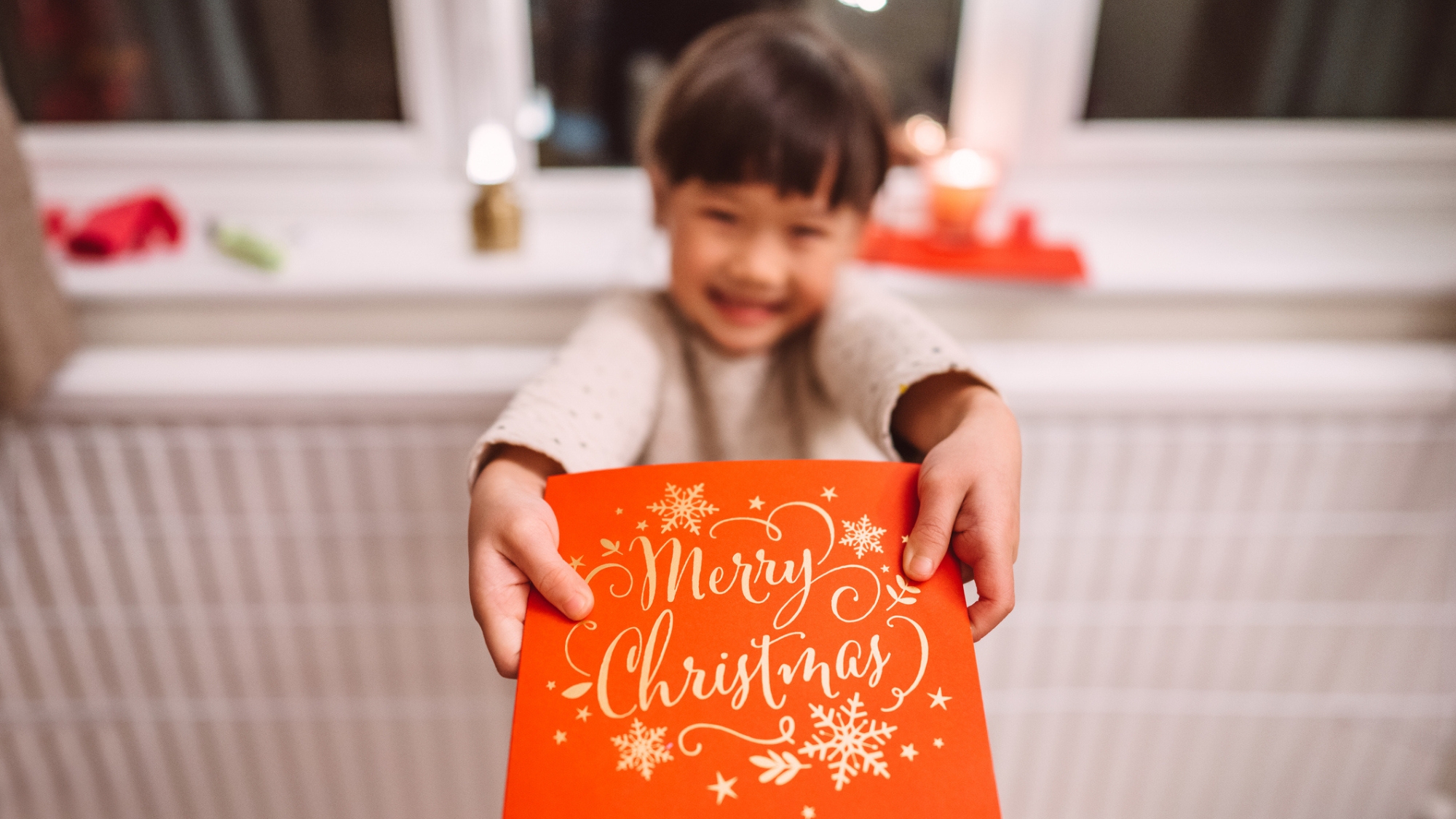
UPDATE: New research from Royal Mail reveals that over 8 million people in the UK are set to use AI technology to craft their Christmas cards this year. This trend highlights a growing reliance on artificial intelligence as the holiday season approaches, fueling debates about the implications of technology in personal expressions of gratitude and love.
The urgent need for quick, heartfelt messages has driven many to experiment with AI chatbots, including popular options like ChatGPT, Claude, and others. As the season of giving looms, individuals are finding themselves exhausted and pressed for time, prompting them to seek assistance in creating meaningful holiday greetings.
Research indicates that the shift towards AI-generated Christmas cards is not merely a sign of convenience; it raises critical ethical questions. As the holiday season intensifies, consumers are increasingly turning to technology, perhaps indicating a deeper societal fatigue. Many are opting for AI assistance not out of a belief in its emotional depth but rather due to a lack of time and energy.
In a recent experiment, five major chatbots were tasked with writing Christmas card messages for a mother who had recently helped her child move house. The results varied widely, reflecting the inconsistency in AI-generated content. The experiment underscores the challenges of conveying genuine emotion through artificial means.
ChatGPT produced a message that, while emotionally charged, felt somewhat generic. It praised the mother’s support but lacked specific details that added a personal touch. Despite being rated a 5/10, many users may find it acceptable for a quick card.
Conversely, Claude delivered a warmer, more relatable message, earning a 7/10 rating. It effectively captured the essence of gratitude, though it also contained vague references that could apply to anyone’s moving experience.
On the lower end of the spectrum, Grok and Gemini produced overly formal and exaggerated messages, with ratings of 2/10 and 3/10 respectively. These responses exemplified the pitfalls of relying on AI for deeply personal communication, often veering into territory that felt insincere or overly polished.
As the holiday season progresses, consumers are left with the question of whether AI can truly replicate the human touch needed for heartfelt messages. While the AI-generated options are competent, they often lack the emotional resonance that comes with personal writing.
Experts warn that while AI can provide a quick template, it is crucial for users to infuse their own voice and sentiment into the final product. The implications of AI in personal communication extend beyond convenience; they touch on the essence of human connection during a time traditionally focused on family and togetherness.
Looking ahead, it will be interesting to see how this trend develops and whether consumers will continue to embrace AI-generated messages or return to more traditional methods of expression. As we head into the festive season, many will be weighing the trade-off between efficiency and authenticity in their holiday communications.
For ongoing updates and insights into the evolving role of AI in our daily lives, follow TechRadar on Google News and stay informed about the latest trends and developments this Christmas season.