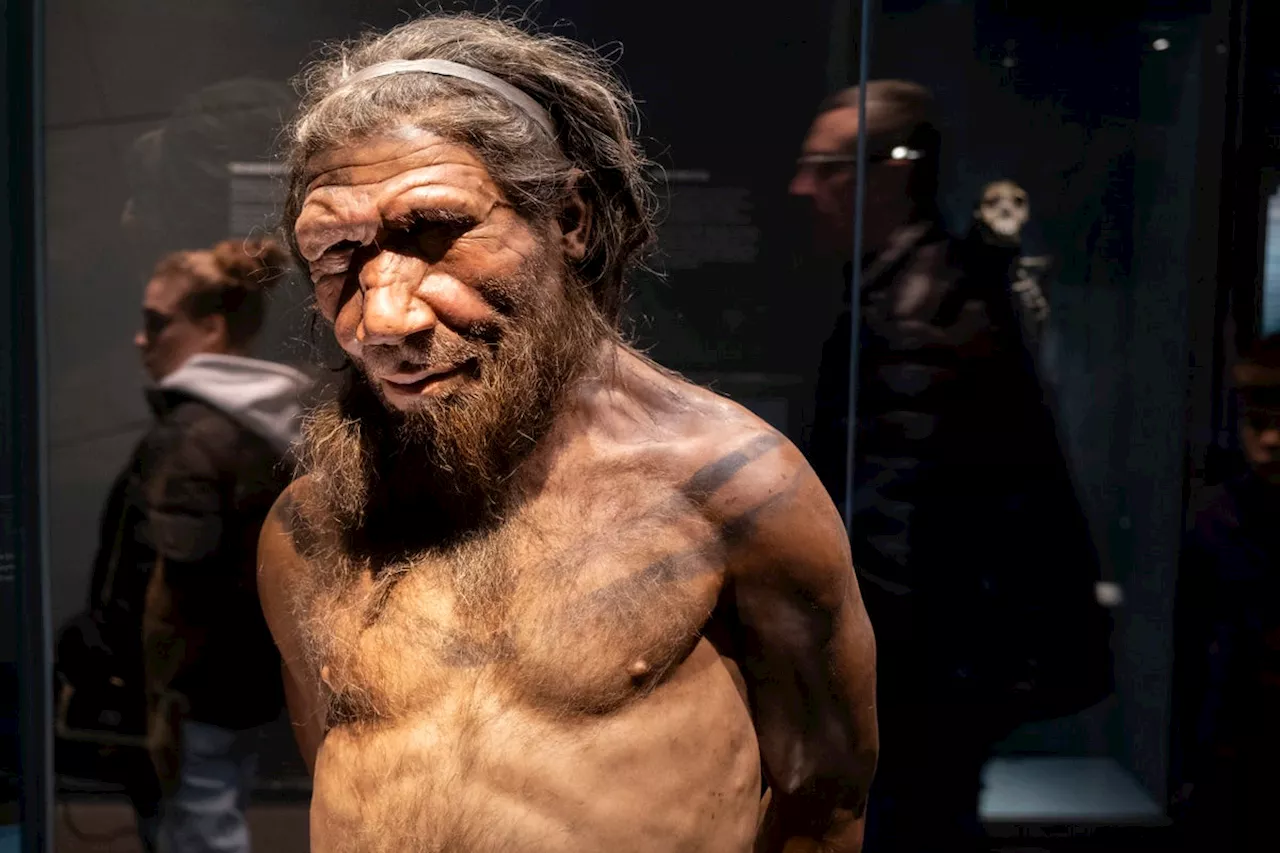
BREAKING: A groundbreaking study reveals that interbreeding between Neandertals and ancient anatomically modern humans predominantly occurred between male Neandertals and female humans. This critical finding, just announced by researchers at the University of Pennsylvania, reshapes our understanding of human ancestry and mating behaviors thousands of years ago.
The research indicates that when Neandertals and anatomically modern humans interacted sexually, it was primarily through male Neandertals coupling with female humans. This discovery is significant because it explains the notable absence of Neandertal DNA on the human X chromosome, a mystery that has puzzled scientists for years.
“Our study allowed us to distinguish between these possibilities,” stated Sarah Tishkoff, a professor of genetics and co-author of the study. The researchers analyzed ancient Neandertal DNA alongside genetic material from contemporary populations in Africa with minimal Neandertal ancestry. They found unexpected levels of modern human DNA present on Neandertal X chromosomes, suggesting a long-standing mating preference that has implications for our understanding of human evolution.
The study’s lead author, Alexander Platt, emphasized that if interbreeding had disadvantages, there would be gaps in Neandertal genomes comparable to the lack of Neandertal DNA found in modern human X chromosomes. However, the evidence indicates otherwise, revealing a rich genetic exchange that occurred primarily through male Neandertals.
Despite the compelling findings, the study also highlights its limitations due to the scarcity of high-quality Neandertal genomes. As Tishkoff noted, “One can only speculate!” about the reasons behind this selective mating behavior, leaving open questions about the dynamics of these ancient relationships.
This research not only clarifies the complexities of Neandertal and human interbreeding but also underscores the importance of examining genetic interactions from both species. Platt remarked, “By looking at the other half of these interactions, at Neandertals, you get a much richer picture.”
As this study unravels the dating landscape of our ancestors, it serves as a reminder of the intricate web of human history and the biological connections that shaped our species. With the publication of these findings, scientists are eager to further explore the implications for our understanding of evolution and genetics.
Stay tuned for more updates as researchers continue to delve into the past, revealing secrets that could redefine our perception of human history. This developing story is likely to captivate further attention and discussion in both scientific and public domains, as it touches on the very essence of what it means to be human.