URGENT UPDATE: A female mouse has just given birth after spending two weeks in space, marking a significant milestone in the study of life beyond Earth. This remarkable event follows the mouse’s return from China’s Shenzhou-21 mission, which launched on October 31 and orbited approximately 400 kilometers above the Earth.
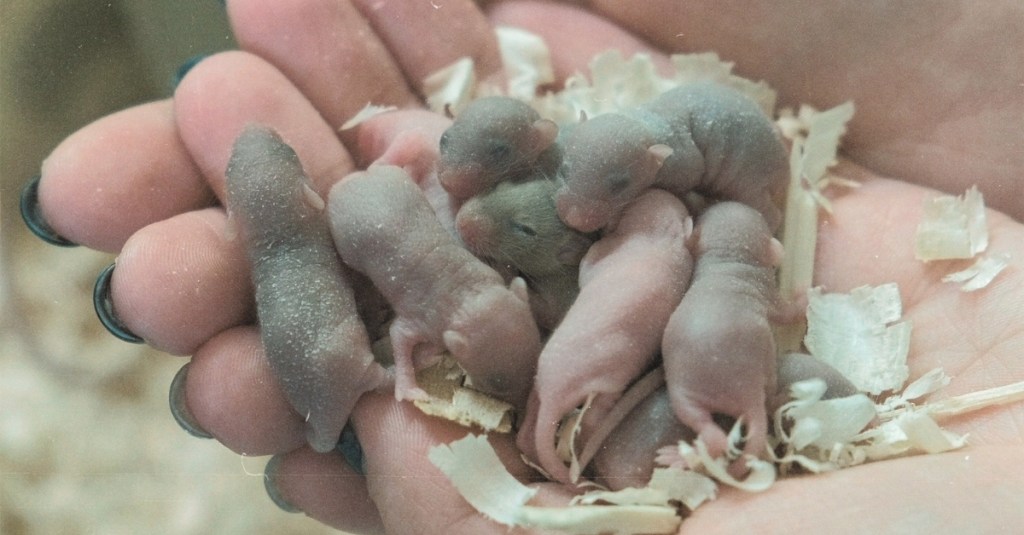
On December 10, the mouse delivered a litter of nine pups, with six of them surviving, according to researchers from the Chinese Academy of Sciences. This birth is crucial for scientists exploring the potential for life to thrive in space, as it indicates that short-term spaceflight does not damage reproductive capabilities in mammals.
Researchers believe this finding is vital as it addresses one of the significant challenges of long-term space travel: reproduction. Wang Hongmei, a leading researcher at the institute, stated, “This event suggests that space exposure did not impair the mouse’s ability to conceive and give birth.”
Mice are frequently used in these studies due to their biological similarities with humans and their rapid reproduction. Previous studies have indicated that mouse sperm can still fertilize eggs after exposure to space, but this latest experiment provides further evidence regarding pregnancy and birth in microgravity.
The mission was not without its challenges. A change in the return schedule extended the mice’s stay in orbit, leading to concerns about their food supplies. Ground teams quickly mobilized and tested emergency rations, ultimately supplying soy milk as a backup. An AI system monitored the mice’s health and behavior, ensuring they received a controlled day-night cycle similar to Earth.
Now, scientists are closely observing the newborn pups. They will track their growth and physiological changes, and eventually assess whether these pups can reproduce, which is essential for long-term human missions to Mars or potential permanent settlements in space.
While one successful birth does not definitively answer all questions regarding mammalian reproduction in space, it rules out a bleak possibility: that space travel immediately disrupts biological functions necessary for life. This small yet significant event opens new avenues for research and offers hope for future human exploration.
As researchers continue to monitor this situation, the implications of this birth may pave the way for further understanding of life in space. For now, the message is clear: space doesn’t immediately break the fundamental aspects of reproduction, a crucial factor as humanity looks toward future interplanetary endeavors.
Stay tuned for more updates on this developing story as scientists work to uncover the lasting impacts of space travel on reproduction.