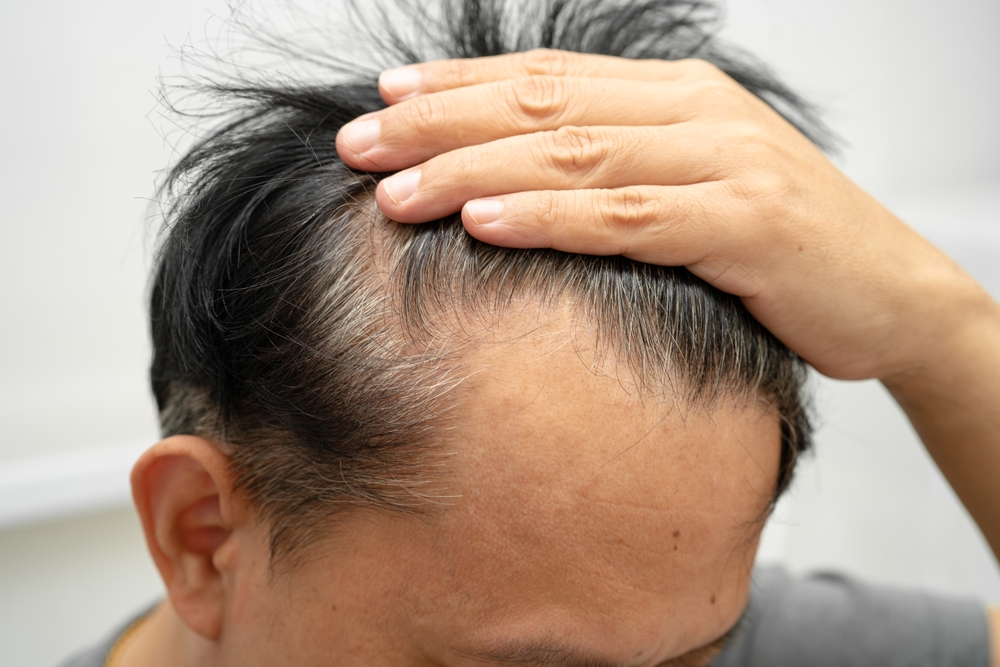
Jensen Huang, the CEO of Nvidia, has recently attracted attention for his decision to keep his natural gray hair, which he views as a personal hallmark rather than a sign of aging. Huang instructed his hairstylist not to dye his hair, aiming to present a more authentic image that aligns with his age. While many may see gray hair as a potential indicator of getting older, it can also signal underlying health issues.
Understanding Gray Hair Through Traditional Chinese Medicine
According to Traditional Chinese Medicine (TCM), the appearance of gray hair can be attributed to several health factors. TCM posits that hair health is closely linked to the state of the kidneys and blood in the body. The theory suggests that the kidneys play a crucial role in hair vitality, and any deficiency in this area can lead to various hair problems, including premature graying.
Kidney deficiency is a primary cause identified in TCM. It is believed that “the luster of hair is the manifestation of the kidneys,” indicating that healthy hair requires robust kidney function. In TCM, the kidneys are seen not just as organs, but as a vital energy center that influences growth, reproduction, and aging. A deficiency in kidney qi, or vital energy, can result in hair that is thin, brittle, and prone to falling out. Symptoms associated with this deficiency may also include lower back pain, memory decline, and frequent nighttime urination.
Another significant factor is blood deficiency. TCM teaches that hair thrives on a sufficient blood supply, and when this supply is inadequate, hair can lose its vibrancy and turn gray more easily. This condition is likened to dry soil for hair follicles; without nourishment, hair growth halts, leading to further hair loss.
Exploring Dietary Therapies for Hair Health
Incorporating dietary therapy alongside scalp massages may help address these deficiencies. A simple daily routine involving a one-minute scalp massage can stimulate blood circulation to the hair follicles, promoting healthier hair growth. Additionally, a balanced diet rich in nutrients such as iron, vitamins, and minerals can support both kidney health and overall hair vitality.
Many individuals seeking to maintain their hair color or combat premature graying are encouraged to consider these holistic approaches. While Huang’s choice to embrace his gray hair showcases a trend towards authenticity, it also opens up discussions on the broader implications of hair health associated with lifestyle and diet.
As consumers become increasingly health-conscious, awareness of how traditional practices can influence modern health is on the rise. Huang’s personal decision reflects a growing acceptance of natural aging, while also highlighting the need to consider underlying health factors that may contribute to changes in hair color and texture.
The interplay between lifestyle choices and hair health is an ongoing area of interest, and Huang’s visible acceptance of his natural appearance may inspire others to examine their own health and wellness practices.