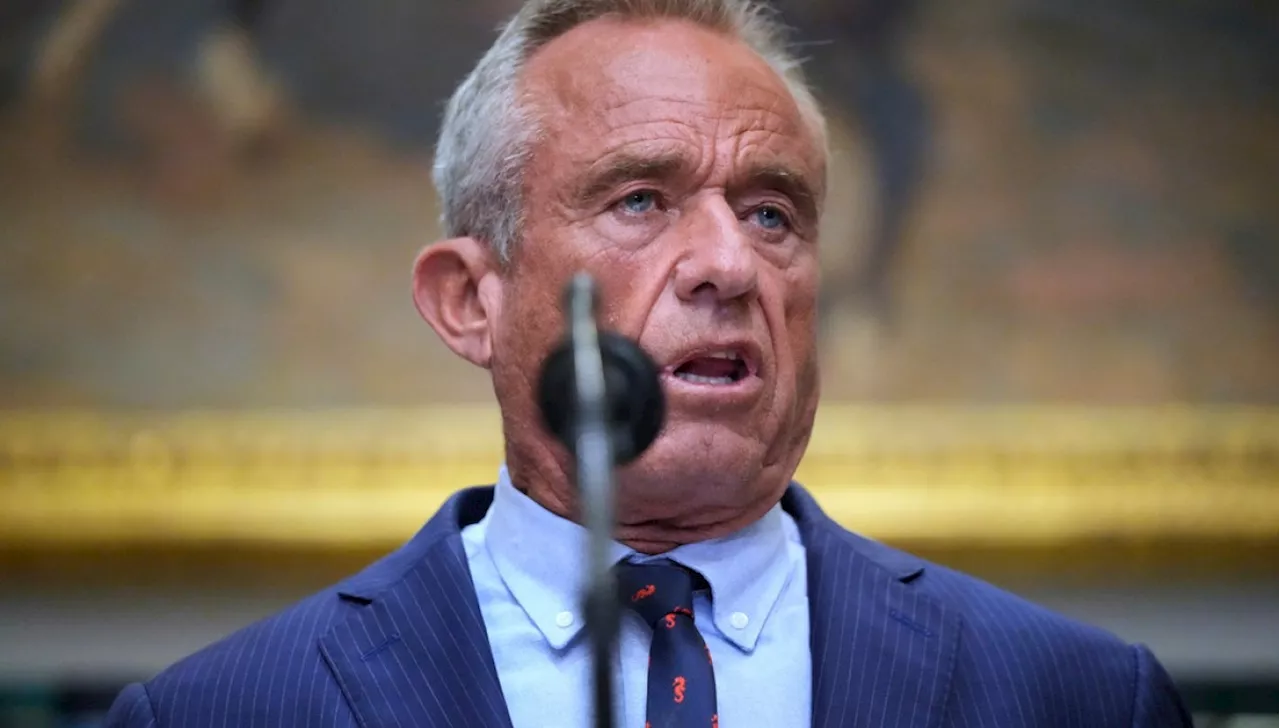
URGENT UPDATE: The Department of Health and Human Services (HHS) has just proposed sweeping regulations that could drastically limit drug advertising, raising immediate concerns for patient access to vital health information. This move could fundamentally alter how pharmaceutical companies communicate with consumers—impacting millions and raising critical questions about free speech.
Supporters of the current advertising model argue that drug ads play a crucial role in empowering patients by providing knowledge about new treatments and facilitating discussions with healthcare providers. However, HHS’s new proposal introduces stringent disclosure requirements that could make compliance nearly impossible, effectively silencing legitimate ads.
Officials warn that if enacted, these rules could lead to a de facto ban on drug advertisements, a scenario reminiscent of past regulatory failures. In 1995, a court ruled against overly burdensome regulations, asserting that patients deserve access to truthful information about medications that could save their lives. Two years later, the pharmaceutical giant GlaxoSmithKline threatened legal action against the FDA, leading to a compromise that allowed direct-to-consumer advertising while ensuring consumers were informed about major risks.
The current proposal raises urgent constitutional concerns. Critics argue that limiting truthful drug advertisements not only restricts information but also jeopardizes patient safety. “When patients are deprived of knowledge about new or emerging treatments, the result isn’t safety; it’s silence,” warned advocates for patient rights.
Moreover, the proposal could stifle public discourse surrounding health and innovation, reversing a delicate balance established in 1997 between safety and free speech. As the Supreme Court has previously ruled, the government cannot restrict speech simply because it may influence behavior.
The implications of this crackdown extend beyond corporate interests; they touch the lives of patients who rely on accurate information to make informed healthcare decisions. Direct-to-consumer advertisements have historically driven millions to seek care for conditions they might otherwise overlook, leading to earlier diagnoses and improved health outcomes.
As the HHS moves forward, the potential fallout from these regulations could be significant. Advocates are calling for transparency and trust in the public’s right to know, emphasizing that censorship is not the answer to misinformation in a democracy.
Next steps involve monitoring how HHS responds to public feedback and whether legal challenges arise against these proposed restrictions. The situation is developing rapidly, and the outcome could redefine the landscape of pharmaceutical advertising.
Stay tuned for updates as this critical story unfolds, and consider the profound impact these regulations may have on patient care and free speech in America.