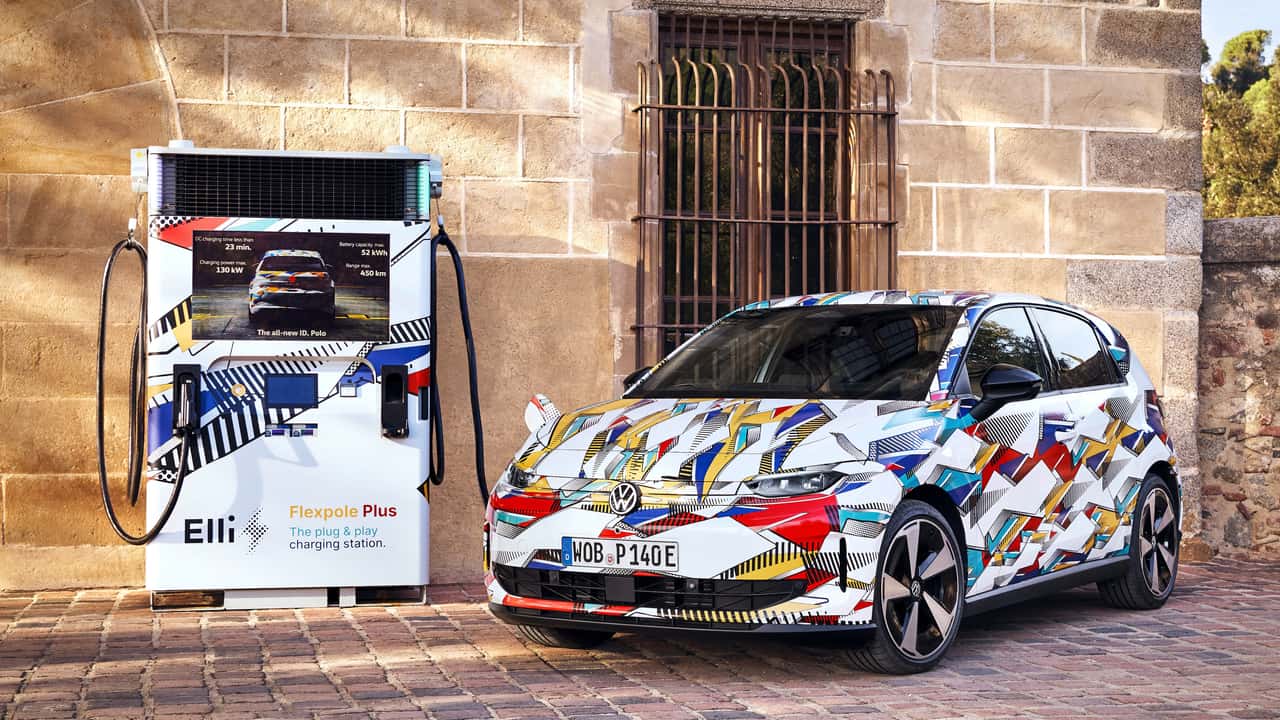
UPDATE: The European Union has just announced a groundbreaking initiative to support the transition to electric vehicles with the introduction of a new subcategory for small electric cars, dubbed the M1E category. This development is set to reshape the automotive landscape and is expected to provide significant benefits to manufacturers and consumers alike.
The EU’s Automotive Package will officially classify small electric vehicles measuring no longer than 4.2 meters (165.3 inches) as M1E, offering a distinct advantage in terms of emissions targets. Automakers will earn super credits for each M1E-certified vehicle, counting as 1.3 units instead of the usual 1. This effectively delivers a 30-percent advantage toward meeting CO2 compliance goals, a critical factor in the EU’s climate strategy.
While the EU may be reconsidering its strict plans to ban combustion engines by 2035, it is doubling down on its commitment to electric vehicles. The M1E classification aims to simplify regulations and encourage the production of affordable, small electric models that can easily navigate urban environments. This strategic move is designed to boost sales of small EVs and provide manufacturers with the stability needed for long-term investment.
Notably, vehicles must be fully electric and assembled in one of the EU’s 27 member states to qualify for the M1E category. This requirement not only safeguards local jobs but also helps fend off competition from international markets, particularly from China. Current models that fit the criteria include popular options such as Renault’s Twingo, Volkswagen’s ID. Polo, and Stellantis’ Citroën e-C3, among others.
The EU is also freezing requirements for this new category for the next 10 years, allowing car manufacturers to plan effectively without the looming threat of sudden regulatory changes. The M1E initiative will pave the way for potential subsidies, tax breaks, and discounts for small EV owners, ultimately making these vehicles more attractive to consumers.
In a statement reflecting the EU’s commitment, officials emphasize that the transition to electric vehicles must focus on small, affordable models rather than larger, heavier cars. The introduction of super credits will further enable automakers to balance emissions from combustion-engine vehicles, allowing them to remain on the market longer as the industry adjusts.
According to the latest data from the European Automobile Manufacturers’ Association (ACEA), 16.4 percent of new cars sold in the EU during the first ten months of this year were fully electric. This number increases to 18.3 percent when considering Iceland, Liechtenstein, Norway, Switzerland, and the UK. These statistics suggest a growing acceptance and demand for electric vehicles among consumers, paving the way for a greener future.
Looking ahead, automakers will need to adhere to stringent emissions targets, aiming for a 90 percent reduction in CO2 emissions by 2035. The remaining emissions will need to be offset using e-fuels, biofuels, and low-carbon steel produced within the Union. Moreover, manufacturers will now have the flexibility to “bank and borrow” emissions credits over a three-year period, reducing the pressure of strict annual targets.
The EU’s latest moves signal a significant shift in the automotive sector, one that prioritizes sustainability while also recognizing the importance of traditional combustion engines in the transition period. As the industry adapts to these new regulations, the focus remains on creating a robust market for electric vehicles that can ultimately benefit both manufacturers and consumers.
Stay tuned for more updates on this developing story as the automotive industry responds to these vital changes.