BREAKING: The European Union has just announced an indefinite freeze on Russian assets in Europe to ensure that Hungary and Slovakia cannot block the use of these funds to support Ukraine. This crucial decision comes as tensions rise and the need for financial aid for Ukraine becomes more urgent.
As of December 15, 2025, the EU has effectively immobilized around €210 billion ($247 billion) of Russian assets until the Kremlin ceases its aggression and compensates Ukraine for the extensive damage caused since the war began on February 24, 2022. EU Council President António Costa stated, “Today we delivered on that commitment,” emphasizing the union’s determination to assist Ukraine amidst ongoing conflict.
The EU’s decision aims to bypass possible vetoes from Hungary and Slovakia, both of which have shown reluctance to support further aid for Ukraine. This move is particularly significant as European leaders prepare for a critical summit on December 18, 2025, to discuss mobilizing these assets for Ukraine’s financial and military needs over the next two years.
According to officials, this action will enable the EU to utilize funds held in Euroclear, a major Belgian financial clearing house, which currently contains approximately €193 billion ($225 billion) of the immobilized assets. The EU has already provided nearly €200 billion ($235 billion) in support to Ukraine, which has faced dire economic repercussions due to the ongoing war.
In a bold statement, Hungarian Prime Minister Viktor Orbán, a close ally of Russian President Vladimir Putin, criticized the EU’s decision, claiming it undermines European law. He stated that the European Commission is “systematically raping European law” to continue the conflict, asserting that Hungary will strive to restore lawful order.
Moreover, Slovak Prime Minister Robert Fico expressed his opposition, arguing that utilizing frozen Russian assets could jeopardize U.S. peace efforts aimed at Ukraine’s reconstruction. He stated, “I will refuse to back any move that includes covering Ukraine’s military expenses for the coming years.”
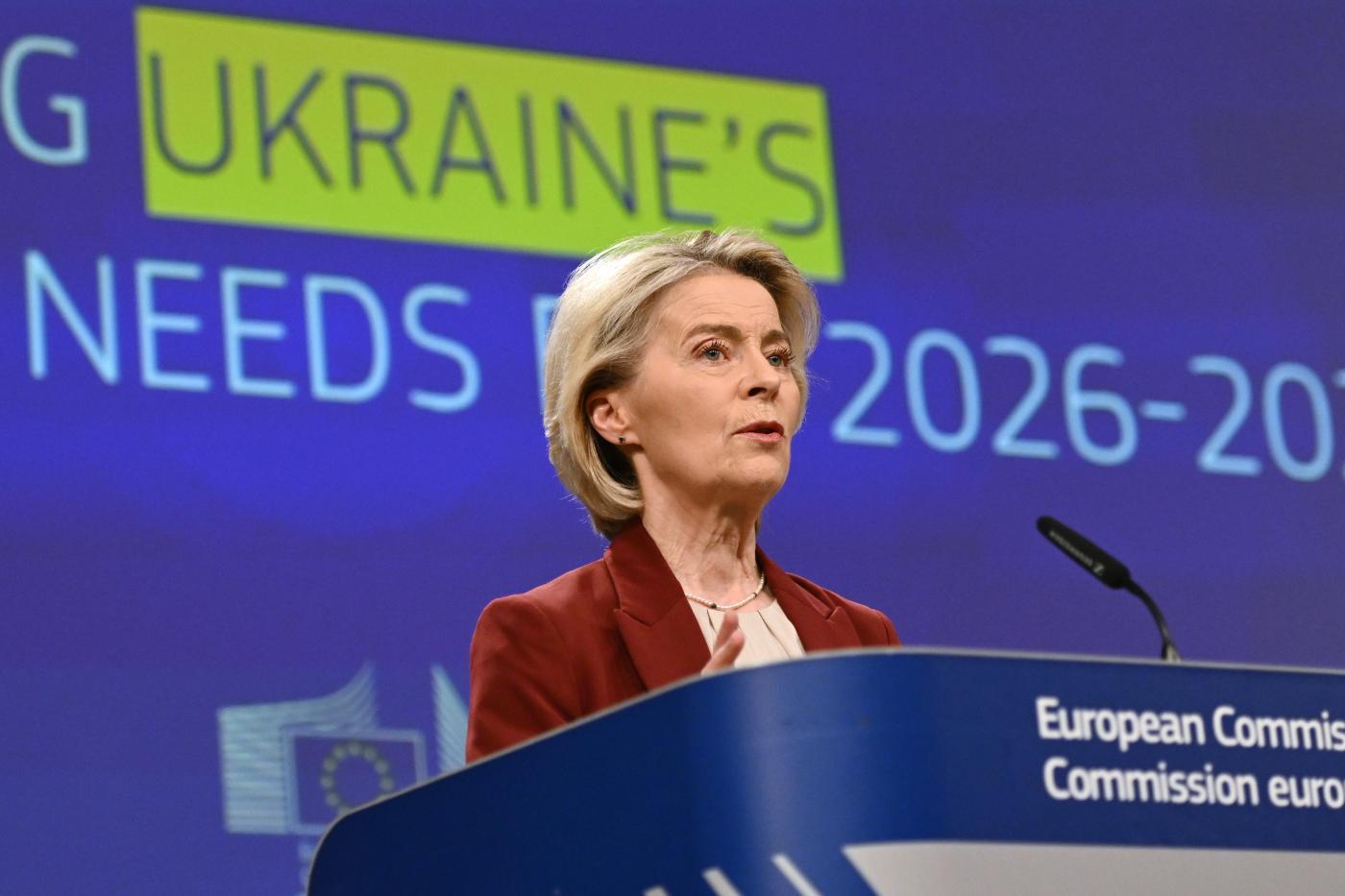
The European Commission maintains that the economic impact of the war, including soaring energy prices and stunted growth, necessitates the use of these assets to support Ukraine. However, concerns remain as Belgium has voiced opposition to the proposed “reparations loan” plan, highlighting potential financial risks.
As the situation develops, all eyes will be on the upcoming EU summit, where leaders will strategize on securing Ukraine’s financial stability for 2026-2027. The implications of this asset freeze extend beyond immediate financial aid; it could reshape the dynamics of international negotiations regarding the war.
This latest move by the EU underscores the urgency of supporting Ukraine in its ongoing struggle, while also highlighting the complexities and political tensions within the EU itself. As the conflict continues into its fourth year, the international community watches closely to see how these developments will unfold.