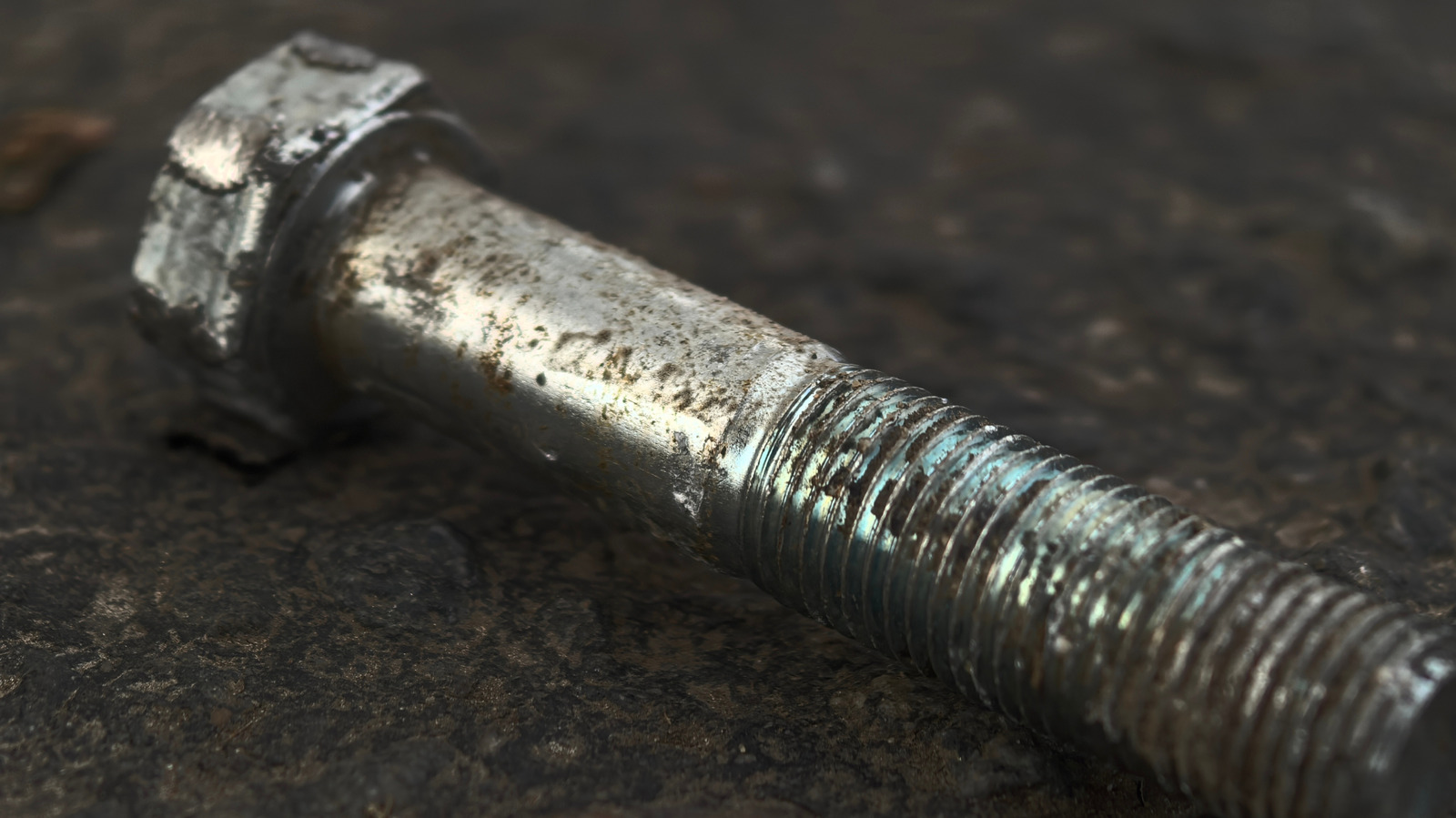
URGENT UPDATE: Automakers are increasingly adopting Torque-to-Yield (TTY) bolts in engine manufacturing, a revolutionary shift that promises enhanced performance and reliability. This change, prompted by advancements in engine design, is happening right now and could significantly impact vehicle maintenance protocols.
Torque-to-Yield bolts, also known as angle torque or stretch bolts, are engineered to be tightened beyond their elastic range, entering a controlled yield zone. Unlike traditional bolts that remain elastic, TTY bolts permanently deform, providing a precise and consistent clamping load crucial for modern engines. The use of these fasteners allows for higher clamping forces with smaller bolts, offering engineers greater flexibility in cylinder head and block layouts.
The design evolution in engines has necessitated this shift. Traditional iron blocks paired with aluminum cylinder heads have been problematic due to differing thermal expansion rates. TTY bolts effectively address this issue, acting as controlled springs that maintain a uniform clamping load. As temperatures fluctuate, these bolts accommodate expansion without compromising the integrity of the engine’s head gasket seal.
Mechanics must be aware of the critical protocols associated with TTY bolts. Reusing them is strictly prohibited, as doing so can lead to catastrophic failures. Once tightened past their yield point, these bolts lose their capability to provide the necessary clamping force, potentially jeopardizing engine performance. A reliable installation process is paramount; mechanics must follow specific tightening sequences and utilize quality torque wrenches and angle gauges to ensure proper assembly.
The implications of this transition extend beyond manufacturing. Mechanics and vehicle owners alike must adapt to new maintenance practices. For instance, cleaning bolt holes and ensuring thread integrity are now more crucial than ever. Dirty or corroded threads can significantly reduce clamping force, leading to engine failures, as evidenced by the infamous issues with Cadillac’s Northstar engine.
WHAT TO EXPECT NEXT: As this trend continues, expect more automakers to incorporate TTY bolts into their designs. Vehicle owners should be vigilant about maintenance procedures, ensuring that all components are replaced with high-quality fasteners.
In summary, the adoption of Torque-to-Yield bolts represents a significant advancement in automotive engineering, promising stronger, more reliable engines. Mechanics and car owners must stay informed about these changes to avoid costly repairs and ensure optimal vehicle performance.