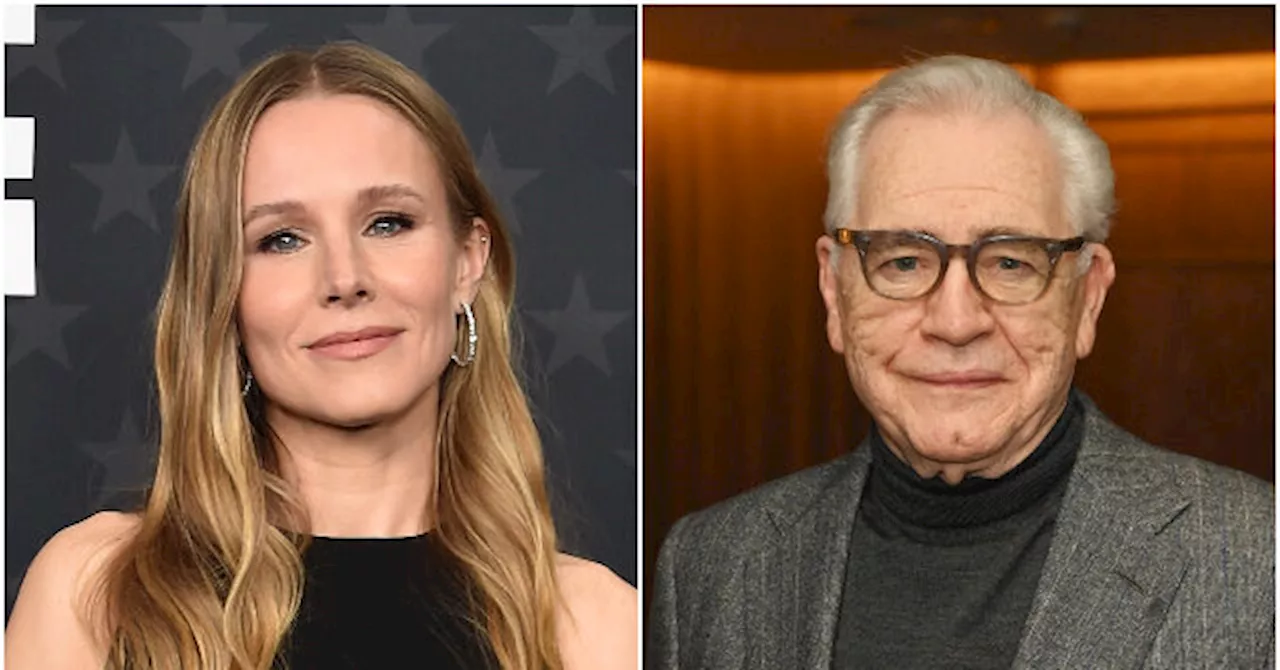
UPDATE: A group of Hollywood actors, including Kristen Bell, Brian Cox, and Malcolm McDowell, are expressing shock and concern after their voice work from a 2010 project was repurposed for a new Fox News religious podcast series under the Fox Faith brand. The actors claim they were completely blindsided by this unexpected move.
In a startling revelation, the actors discovered that their recordings, initially created for a project owned by Gulfstream Studios, have been adapted into a 52-part podcast without their prior knowledge or consent. Along with Bell, Cox, and McDowell, other notable names such as Sean Astin, John Rhys-Davies, and Julia Ormond are involved, all voicing dismay over the association with Fox News.
The podcast series was announced earlier this week, leading to a significant outcry on social media where fans expressed disappointment over the actors’ names being linked to a network known for its polarizing views. One representative stated, “We only learned about the podcast’s existence the day before it was announced.” This lack of communication has sparked considerable unease among the actors.
“It feels like we’ve been blindsided. We had no idea our work would be used in this way,” said a representative for one of the involved actors.
Reportedly, an email was sent by a producer of the Fox Faith series to one actor, instructing them to avoid mentioning the original project’s 2010 production date, allegedly to give the podcast a more contemporary appeal. This raises serious concerns about transparency in the recontextualization of creative works.
While the actors are not disputing the legal rights of Gulfstream Studios to repurpose the recordings, they are primarily upset by the lack of prior consent. They worry about how this association may misrepresent their personal beliefs to the public.
This incident highlights the complexities of intellectual property in the entertainment industry, particularly how older works can be re-used without the creators’ approval. As media continues to evolve, it raises urgent questions about the ethical implications of such actions.
The situation serves as a critical reminder of the need for clear communication and transparency in the industry, especially when older content is adapted for new platforms. The actors’ experience underscores the potential risks of misinterpretation by audiences and the impact on their professional reputations.
As this story develops, all eyes will remain on the reactions from the actors and their representatives, as well as the potential backlash from audiences regarding the use of their artistic contributions in a politically charged context.
For those interested in the evolving landscape of media rights and representation, this controversy exemplifies the growing need for dialogue and clear agreements in the entertainment sector.