New reports confirm that DC Comics, a titan in the comic book industry, has released some covers that have left fans stunned and uncomfortable. As the comic world evolves, the legacy of these controversial artworks continues to surface, sparking discussions among collectors and casual readers alike.
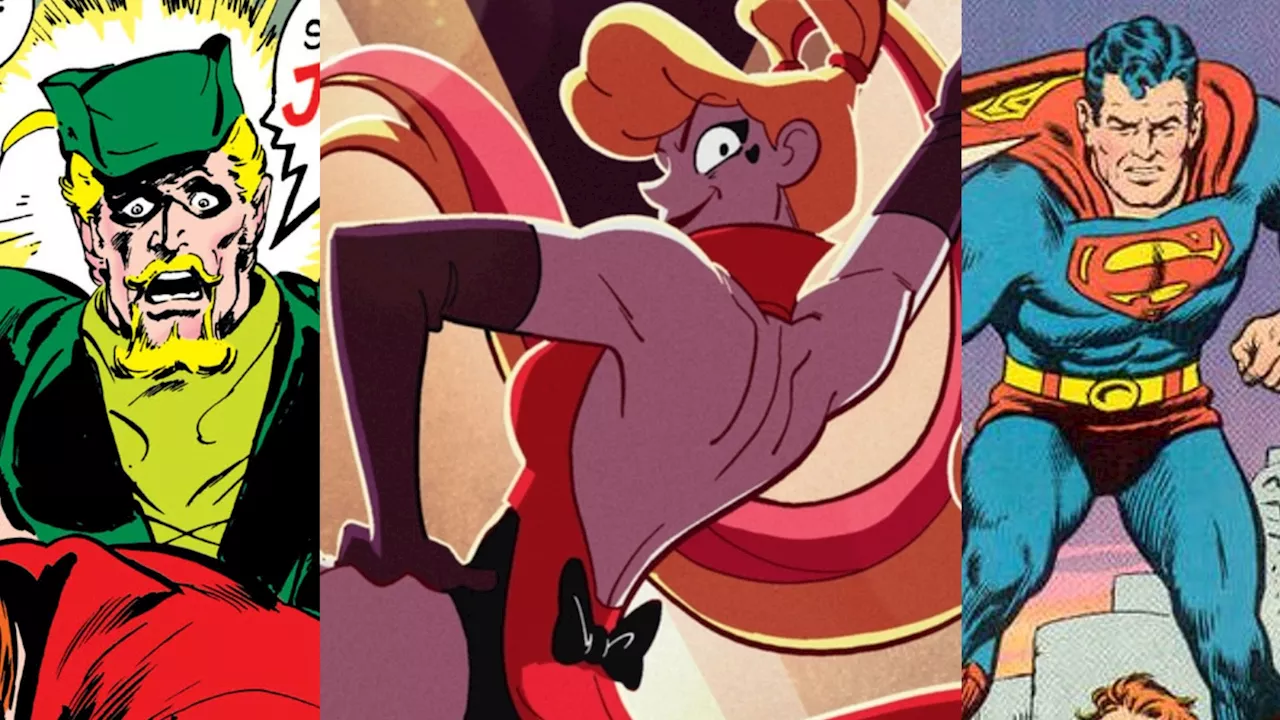
UPDATE: Among the most cringe-inducing covers, the infamous issue featuring Harley Quinn, titled Harley Quinn Fartacular: Silent Butt Deadly #1, is making headlines again. Released on April 1, 2018, this cover boldly showcases Harley clearing a room with a fart-themed depiction, complete with a scratch-and-sniff element. Fans are still debating how this comic made it past the editorial process.
Another significant cover involves Roy Harper, also known as Speedy, who shocked audiences with a portrayal of drug use on the cover of Green Lantern/Green Arrow #85. This landmark issue, released in 1971, confronted social issues head-on, but its graphic imagery remains a talking point, illustrating the struggles of addiction in a way that many found jarring.
Additionally, the cover featuring Wonder Woman and the villain Egg Fu has resurfaced in discussions about racial stereotypes in comic art. This cover, depicting Wonder Woman and Steve Trevor held captive, reflects troubling themes rooted in Yellow Peril rhetoric, raising important questions about representation in historical comics.
The cringe-factor doesn’t stop there. The cover of the first issue of DC Comics’ namesake features the character Fui Onyui, leaning heavily into racist caricatures. This artwork, released in 1937, has not only been criticized for its portrayal but also serves as a stark reminder of the prejudices that were commonplace in early comic book history.
As fans engage with these controversial covers, the conversation around their impact continues to grow. The emotional weight of these depictions prompts discussions about how far the industry has come and the importance of sensitivity in artistic representation.
What’s next? Fans and collectors are encouraged to share their thoughts on these covers as DC Comics prepares for future releases. The ongoing dialogue surrounding these artworks highlights the need for awareness and evolution in comic book storytelling.
Have you seen these covers? What do you think? Join the conversation and share your thoughts on social media.