Research has unveiled significant insights into the fermentation process of ‘Nam Hom’ coconut cider, demonstrating how yeast selection influences aroma, flavor, and bioactive compounds. A study published in Beverage Plant Research on March 17, 2025, by a team led by Kriskamol Na Jom at Kasetsart University, provides a comprehensive analysis of how sugars in coconut water are transformed during fermentation.
The study highlights the challenges faced by producers of Nam Hom coconut (Cocos nucifera L.), valued for its sweet, aromatic water rich in sugars and minerals. Despite its appeal, coconut water has a limited shelf life, leading to spoilage that restricts its market potential. By fermenting coconut water into cider, producers can create a low-alcohol beverage that not only extends shelf life but also boasts desirable sensory qualities.
Yeast plays a critical role in the fermentation process, affecting sugar metabolism, ethanol production, and the formation of aromatic compounds. Different yeast strains yield distinct flavor profiles; some enhance fruity and floral notes, while others maintain a clean taste that emphasizes the natural characteristics of the coconut.
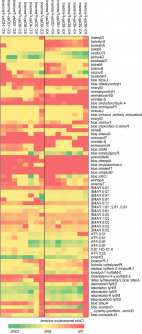
This research employed a combination of physicochemical monitoring and a novel approach to metabolomics and flavoromics to track the fermentation dynamics of ‘Nam Hom’ coconut cider using two commercial yeast strains: K1-V1116 and EC-1118. The study utilized multivariate statistics to analyze the transformation of compounds throughout the fermentation process.
Key Findings on Fermentation Dynamics
The fermentation process was divided into three distinct stages: pre-fermentation, in-process, and final product. The study recorded 152 metabolite peaks, with 64 identified compounds and 16 volatile flavor compounds. Principal component analysis accounted for 83.76% of the total variance in the fermentation data, providing a clear framework for understanding the changes that occur during fermentation.
Throughout the fermentation period, the basic kinetics were remarkably similar for both yeast strains. Measurements indicated a steady decline in Brix and reducing sugars, a slight decrease in pH reflecting increased acidity, and a significant rise in alcohol content, reaching approximately 7–8%, which falls within the typical range for ciders. Notably, there was no indication of lactic acid bacterial contamination.
The metabolomics data revealed a progressive depletion of sugars into ethanol and other metabolites, with glycerol levels increasing as a common byproduct of yeast activity. The study noted stable citric and lactic acid levels, alongside a slight increase in malic acid, indicating a clean fermentation process.
Amino acids such as leucine and isoleucine were found to increase during fermentation, aligning with the pyruvate-derived metabolism associated with yeast activity. Lipid analysis revealed a reduction in fatty acid methyl esters but an increase in free fatty acids, particularly lauric and stearic acids, with the K1-V1116 strain showing higher accumulation levels.
Implications for Coconut Cider Production
The flavoromics analysis confirmed that esters are the dominant drivers of aroma in the final product. Both yeast strains produced various esters, but the EC-1118 strain resulted in a more pronounced fruity profile due to its higher ethyl-ester content. The correlation networks established in the study demonstrated significant positive relationships between sugars, ethanol, and esters, as well as between amino acids and flavor compounds.
This research offers practical guidance for coconut cider producers. While both yeast strains are suitable for fermentation, they exhibit different strengths. The K1-V1116 strain enhances aroma and ester production, making it ideal for fruity profiles. In contrast, EC-1118 supports robust, clean fermentations that highlight the natural flavors of the coconut.
By carefully selecting yeast and managing fermentation conditions, producers can tailor their coconut cider to achieve a range of flavor profiles—from dry and clean to rich and aromatic—while preserving valuable bioactive compounds. This study paves the way for the development of innovative coconut-based beverages, expanding the commercial opportunities within the industry.
For further details on the research, refer to the study published at https://doi.org/10.48130/bpr-0024-0039. The research was conducted under the project AG-BIO/60-005-012, focusing on enhancing value in the food industry chain from various agricultural products.