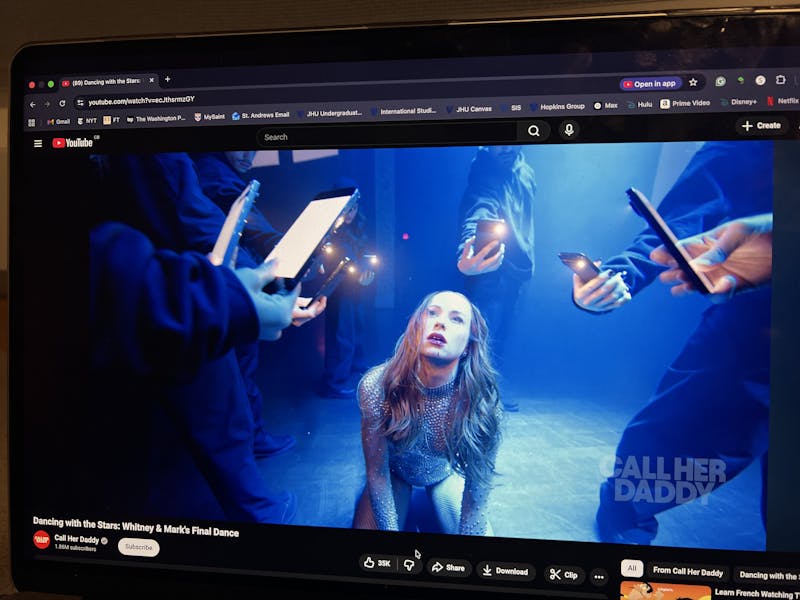
The latest season of Dancing With the Stars concluded with Robert Irwin and his partner Witney Carson taking home the beloved Mirrorball trophy on December 21, 2025. As fans celebrated Irwin’s victory, the season also highlighted troubling trends in social media and voting behaviors that played a significant role in shaping public opinion.
This season, many viewers rallied behind contestant Whitney Leavitt from The Secret Lives of Mormon Wives. Unfortunately, Leavitt was eliminated in the semi-finals due to a lack of votes, a situation exacerbated by her show’s recent airing. The voting process is limited to participants in the United States and Canada, which left international fans, including those in Scotland, unable to support their favorites directly.
The Role of Social Media in Voting Dynamics
While Leavitt had her share of supporters, an unusual phenomenon emerged on social media platforms. Many users actively campaigned against her, a behavior reminiscent of what psychologists refer to as groupthink. Observing this dynamic prompted thoughts on how social media influences not only reality television but also larger societal issues, including politics.
The intersection of entertainment and political discourse is becoming increasingly apparent. The recent record-breaking U.S. government shutdown serves as a stark example. Political polarization has led to a blame culture, where individuals assign fault entirely to one party or another without recognizing the complexities involved.
Throughout the shutdown, social media platforms were rife with accusations directed at either Democrats or Republicans. Few users acknowledged that gridlock in Congress results from a combination of factors, including institutional incentives, polarized media, and a political landscape that often rewards entrenched positions over compromise.
The Consequences of Simplified Narratives
The tendency to view conflicts through a binary lens—good versus evil—has far-reaching consequences. Posts that vilify one side or another garner attention, while nuanced discussions do not trend. This oversimplification mirrors the voting behavior seen on Dancing With the Stars and reveals a growing societal preference for clear enemies over complicated truths.
“Outrage spreads faster than any policy briefing ever could.”
Political figures benefit from this culture. When they provide straightforward narratives that identify a clear enemy, they can galvanize support more effectively than by presenting complex realities. The platforms that host these conversations, meanwhile, thrive on engagement metrics, pushing users toward content that reinforces their existing beliefs.
As society grapples with these dynamics, the real challenge lies in recognizing the importance of complexity. Both politics and reality television thrive in the gray areas, where the most impactful work occurs. Understanding the nuances of political discourse requires effort, much like engaging with a competitive dance routine.
To foster a healthier political culture, individuals might consider stepping back from the screen to engage with the world directly. Learning to appreciate the complexities of various conflicts, rather than seeking out villains to blame, could lead to more productive discussions and solutions.
Ultimately, the lessons drawn from a competitive dance show extend beyond the stage. They remind us of the importance of critical thinking, empathy, and understanding in a world increasingly defined by polarization and outrage. As we navigate these challenges, a shift in perspective may be necessary to move forward effectively.
Alyssa Gonzalez, a junior majoring in Political Science and International Studies, offers insights that bridge the gap between entertainment and political discourse, advocating for a more nuanced understanding of the issues that shape our world.