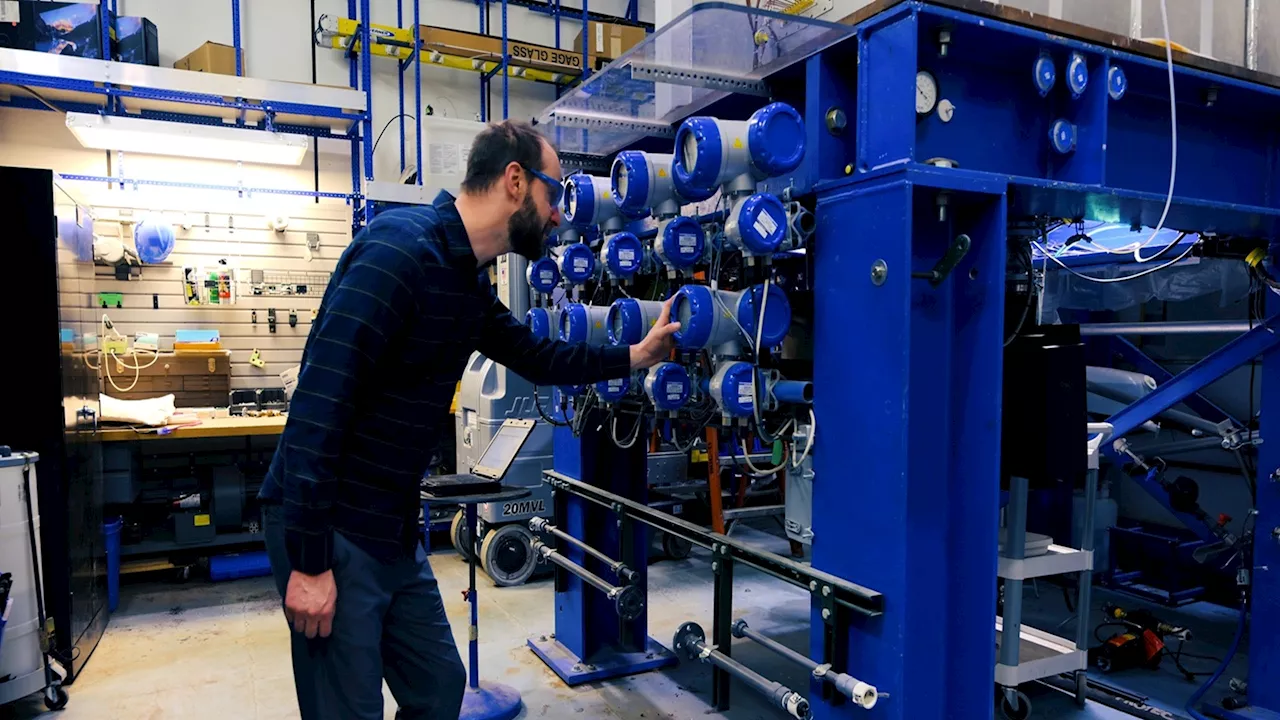
The development of a new catalyst using plant waste and chromium-coated copper could significantly enhance the hydrogen production process, paving the way for more sustainable energy sources. Researchers have identified this innovative electrolysis method as a potential game changer in the quest for cleaner hydrogen fuel.
Hydrogen, often touted as a key player in the clean energy revolution, is predominantly produced from natural gas through a method known as steam methane reforming. This traditional process, however, emits substantial amounts of carbon dioxide, undermining its environmental benefits. The newly developed catalyst aims to address this issue by improving the efficiency of electrolysis, which separates hydrogen from water, yielding a cleaner output.
Improving the Electrolysis Process
The electrolysis process has been hindered by the need for cost-effective and efficient catalysts. The chromium-coated copper catalyst, combined with plant waste, offers a promising alternative that could reduce dependence on more harmful methods of hydrogen production. By utilizing waste materials, this approach not only lowers costs but also contributes to a circular economy, where resources are reused rather than discarded.
According to a study published in a leading scientific journal, this new catalyst has shown a significant increase in efficiency during electrolysis, achieving a higher hydrogen output with lower energy input. The researchers estimate that this innovation could cut the energy costs associated with hydrogen production by up to 40%. This breakthrough is crucial as the global demand for hydrogen fuel continues to rise, driven by the push for greener energy solutions.
Addressing Environmental Concerns
With the alarming levels of carbon dioxide emissions linked to current hydrogen production methods, the introduction of cleaner alternatives is vital. The researchers emphasize that the use of the chromium-coated copper catalyst could lead to a substantial reduction in greenhouse gases. This aligns with international goals to limit emissions and combat climate change.
The implications of this research extend beyond just hydrogen production. By improving the efficiency of electrolysis, the new catalyst could facilitate broader adoption of hydrogen fuel in various sectors, including transportation and industry. As nations strive to transition to sustainable energy sources, innovations like this one will be essential in overcoming the challenges associated with hydrogen fuel.
In conclusion, the introduction of plant waste and a chromium-coated copper catalyst into the electrolysis process represents a significant advancement in hydrogen production technology. By potentially reducing costs and emissions, this innovation not only supports the clean energy revolution but also underscores the importance of sustainable practices in addressing the urgent challenges posed by climate change.