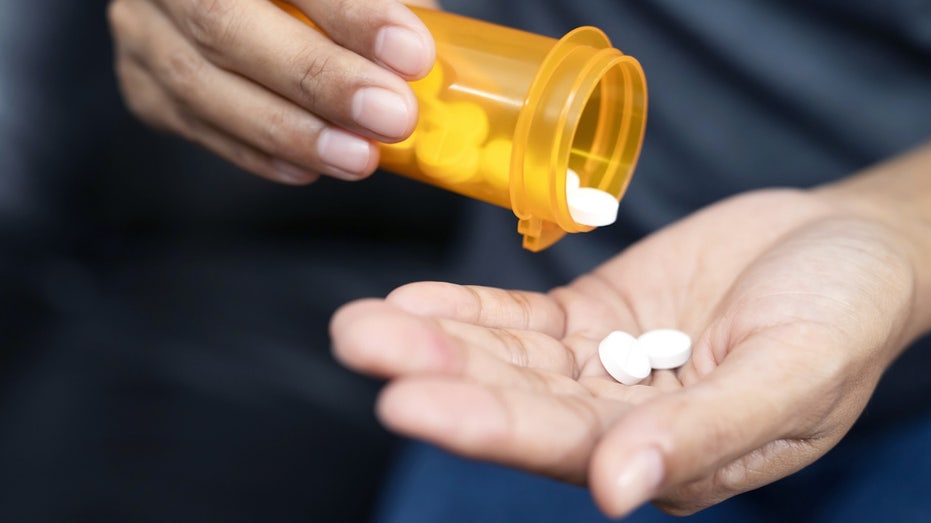
A team of engineers at the Massachusetts Institute of Technology (MIT) has developed a smart pill that can confirm when it has been swallowed, offering a potential solution to the widespread issue of medication non-adherence. Missed doses can lead to serious health risks, particularly for patients managing chronic conditions or those requiring strict medication schedules.
The innovation employs a tiny, biodegradable radio-frequency antenna made from safe materials like zinc and cellulose. When ingested, the capsule’s outer coating dissolves in the stomach, allowing the antenna to transmit a radio signal that confirms the pill’s ingestion. This entire process occurs within approximately ten minutes, and an external receiver, possibly integrated into a wearable device, can detect the signal from up to two feet away.
Mechanism and Safety Features
Unlike previous smart pill designs that contained components that remained intact during digestion, this new system prioritizes patient safety. Almost all parts of the antenna decompose within days, leaving behind only a small off-the-shelf radio-frequency chip that naturally exits the body. Lead researcher Mehmet Girayhan Say expressed the aim of the project: “The system avoids long-term buildup while still reliably confirming that a pill was taken.”
This technology is targeted toward patients where missed doses can have dire consequences, such as organ transplant recipients on immunosuppressants, individuals with chronic infections like tuberculosis or HIV, and those with recent stent procedures or neuropsychiatric conditions. For these populations, adherence to prescribed medication is critical for recovery and preventing complications.
The Implications of Medication Adherence
Medication non-adherence contributes to hundreds of thousands of preventable deaths annually and adds billions of dollars to global healthcare costs. This issue is particularly acute for patients requiring long-term treatment, such as those managing complex neurological conditions or those recovering from organ transplants. The MIT smart pill aims to bridge the gap between treatment and adherence by providing a reliable method to track medication intake.
The research findings, published in Nature Communications, underscore the commitment to patient health without infringing on personal privacy. Senior author Giovanni Traverso emphasized that the technology is designed to support patients rather than monitor them.
Funding for this project has come from several sources, including Novo Nordisk, the MIT Department of Mechanical Engineering, Brigham and Women’s Hospital‘s Division of Gastroenterology, and the U.S. Advanced Research Projects Agency for Health.
While human trials are anticipated as the research progresses, this innovative approach to medication adherence has the potential to reshape how treatments are monitored and delivered, enhancing patient safety and health outcomes.
As this technology moves closer to practical application, it raises important considerations regarding privacy, consent, and the sharing of medical data. Future implementations will need robust safeguards to protect patient information.
For now, patients and caregivers can utilize existing tools on smartphones to help manage medication schedules, ensuring they remain on track while awaiting the arrival of innovations like the MIT smart pill. As researchers continue their work, the promise of a pill that confirms its own ingestion could significantly improve adherence and health outcomes for vulnerable populations.