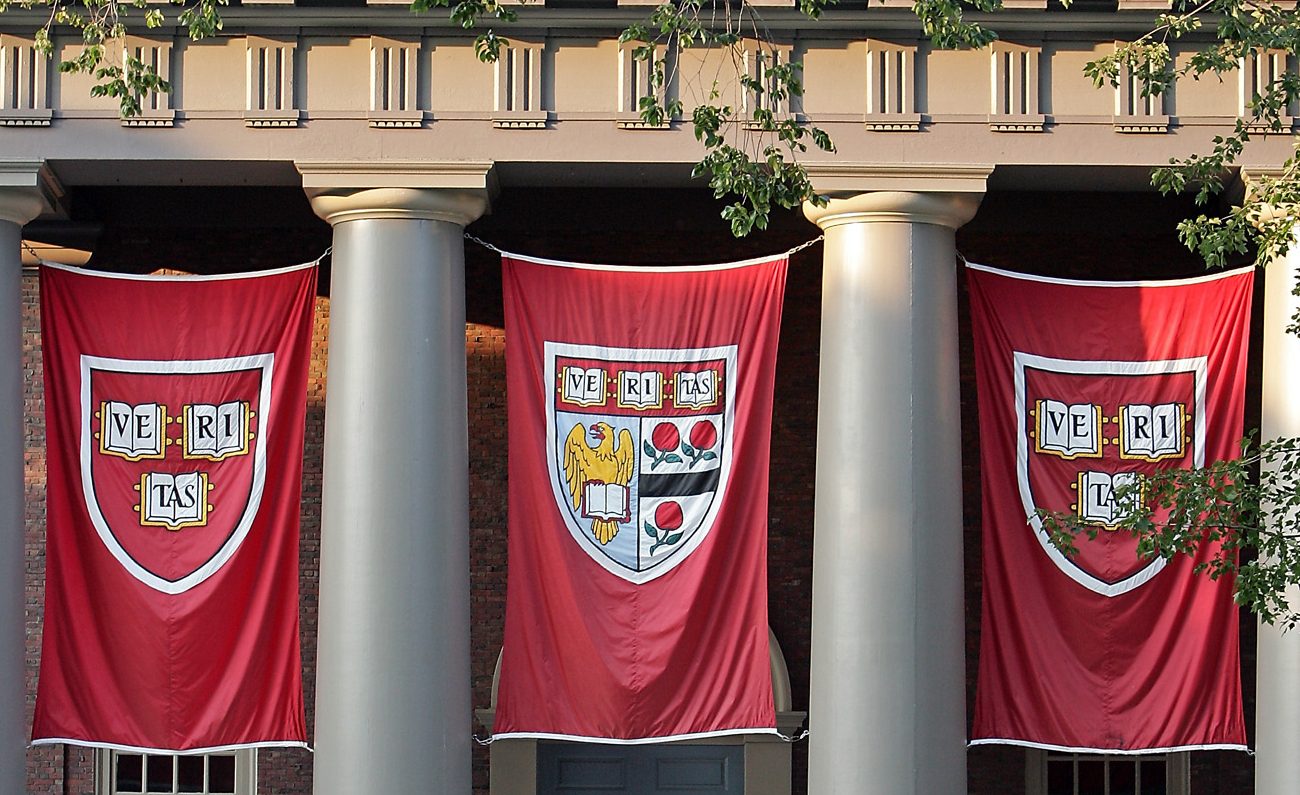
A recent report has revealed alarming statistics regarding antisemitism on college campuses, particularly at prestigious institutions such as Harvard University and the Massachusetts Institute of Technology (MIT). According to a survey conducted by the civil rights group StopAntisemitism, approximately 39% of Jewish college students reported feeling the need to hide their identities while on campus. Furthermore, 62% of respondents indicated they have been directly blamed for Israel’s military actions in Gaza.
The findings are part of StopAntisemitism’s 2025 report cards, which evaluate how 90 colleges address rising antisemitism. Notably, Harvard, MIT, and Brown University received failing grades, with many students expressing a sense of insecurity and isolation. The report highlights a growing trend of coordinated and well-funded efforts targeting Jewish students, stating, “The situation has intensified and metastasized into a coordinated and well-funded nationwide campaign.”
Widespread Concerns and Institutional Responses
Despite a ceasefire agreement in Gaza, the report asserts that antisemitism remains prevalent and unabated across campuses. The organization emphasizes that this is not solely about geopolitical issues but rather a manifestation of deep-rooted hatred towards Jews. “Coordinated protests, ideological harassment, and institutional apathy continue to endanger Jewish students,” the report states, urging families to reconsider financial support for institutions that allow such environments.
In contrast, some colleges have received commendations for their efforts to support Jewish students. Colby College in Maine, for example, was awarded an A grade for fostering a respectful environment and maintaining strong connections with Jewish students. The administration prioritizes safety and open discourse, and it partners with Haifa University for study abroad programs in Israel.
Similarly, the University of Connecticut (UConn) was also rated an A for its proactive measures in addressing student concerns, which contribute to a welcoming and inclusive atmosphere. In contrast, Brandeis University earned a B despite experiencing incidents of vandalism and antisemitic rhetoric, as the administration has actively condemned such actions and initiated programs to combat hate.
Implications for Student Safety and University Reputation
The report also notes that several universities, including Dartmouth, Duke, and Michigan State, received B grades for their efforts to support Jewish students. However, institutions like Emerson College in Boston were given a D grade, as students felt the administration’s responses to antisemitic incidents were insufficient.
The troubling findings of this report raise critical questions about the safety and well-being of Jewish students in higher education. Families are encouraged to consider the implications of sending their children to schools that may not adequately protect them from hostility based on their identity.
As antisemitism continues to be a pressing issue, it is hoped that leading academic institutions will take decisive action to foster a more inclusive and supportive environment for all students. The responsibility lies not only with the universities but also with their communities to ensure that education is free from hatred and prejudice.