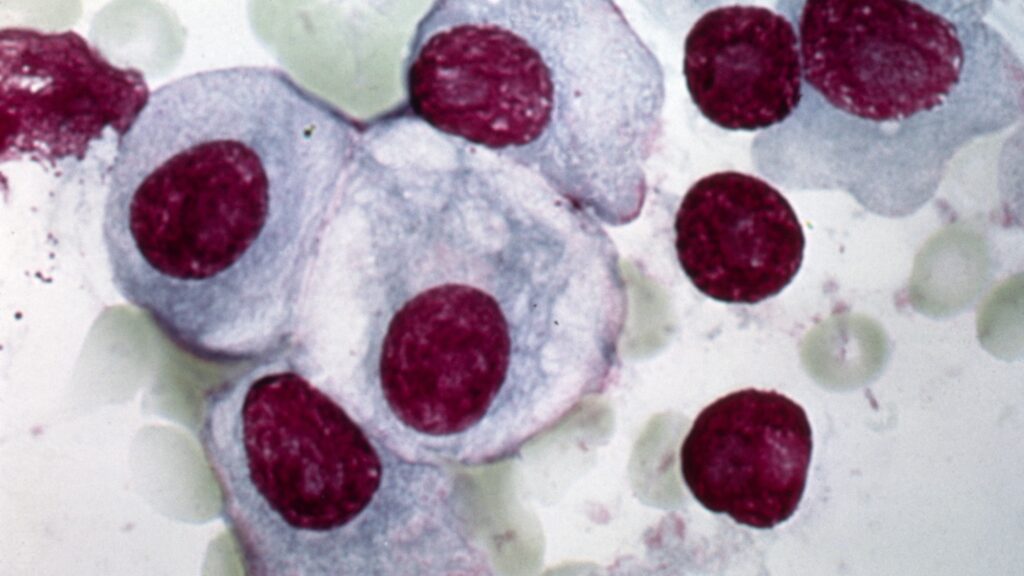
Gilead Sciences and its partner Arcellx unveiled promising data regarding their CAR-T therapy for multiple myeloma at the annual meeting of the American Society of Hematology held in Orlando, Florida. The latest analysis from a pivotal-stage clinical trial indicates significant tumor responses among patients, a critical development for Gilead as it seeks to bolster its position in the competitive blood cancer treatment market.
The trial included 117 patients, with a remarkable 96% demonstrating a tumor response. More notably, 74% of these patients achieved complete remission, according to a press release from the companies. This robust performance could enhance the prospects of anito-cel, Gilead’s next-generation CAR-T therapy, especially as sales of its existing therapies have seen a decline.
Key Findings from the Clinical Trial
The clinical trial results highlighted the therapy’s efficacy and safety profile. Both Gilead and Arcellx reported that patients exhibited deepening and durable responses without significant safety concerns. These findings are particularly relevant in the context of a market where existing CAR-T therapies face increasing competition and scrutiny.
The companies emphasized that the data underscores the potential of anito-cel to provide a viable treatment option for patients battling multiple myeloma, a cancer that has proven difficult to treat effectively. As the landscape of cancer therapies evolves, these results may position Gilead favorably against rival treatments.
Market Implications and Future Directions
With this new data, Gilead is hopeful that anito-cel can reinvigorate its presence in the CAR-T therapy market. As the company navigates challenges with its current blood cancer products, the success of this new therapy could be pivotal in restoring investor confidence and addressing the needs of patients.
The American Society of Hematology meeting serves as a crucial platform for companies to present their latest research findings and engage with healthcare professionals and stakeholders. The reception of anito-cel’s results at this prestigious gathering may influence future research directions and partnerships.
As the clinical trial progresses, Gilead and Arcellx plan to continue monitoring patient outcomes closely. The ongoing research is expected to provide further insights into the long-term effectiveness and safety of anito-cel, potentially shaping the future of treatment for multiple myeloma.
In summary, the latest findings from Gilead Sciences and Arcellx present a compelling case for anito-cel as a promising candidate in the fight against multiple myeloma, highlighting the need for innovation in cancer therapies.