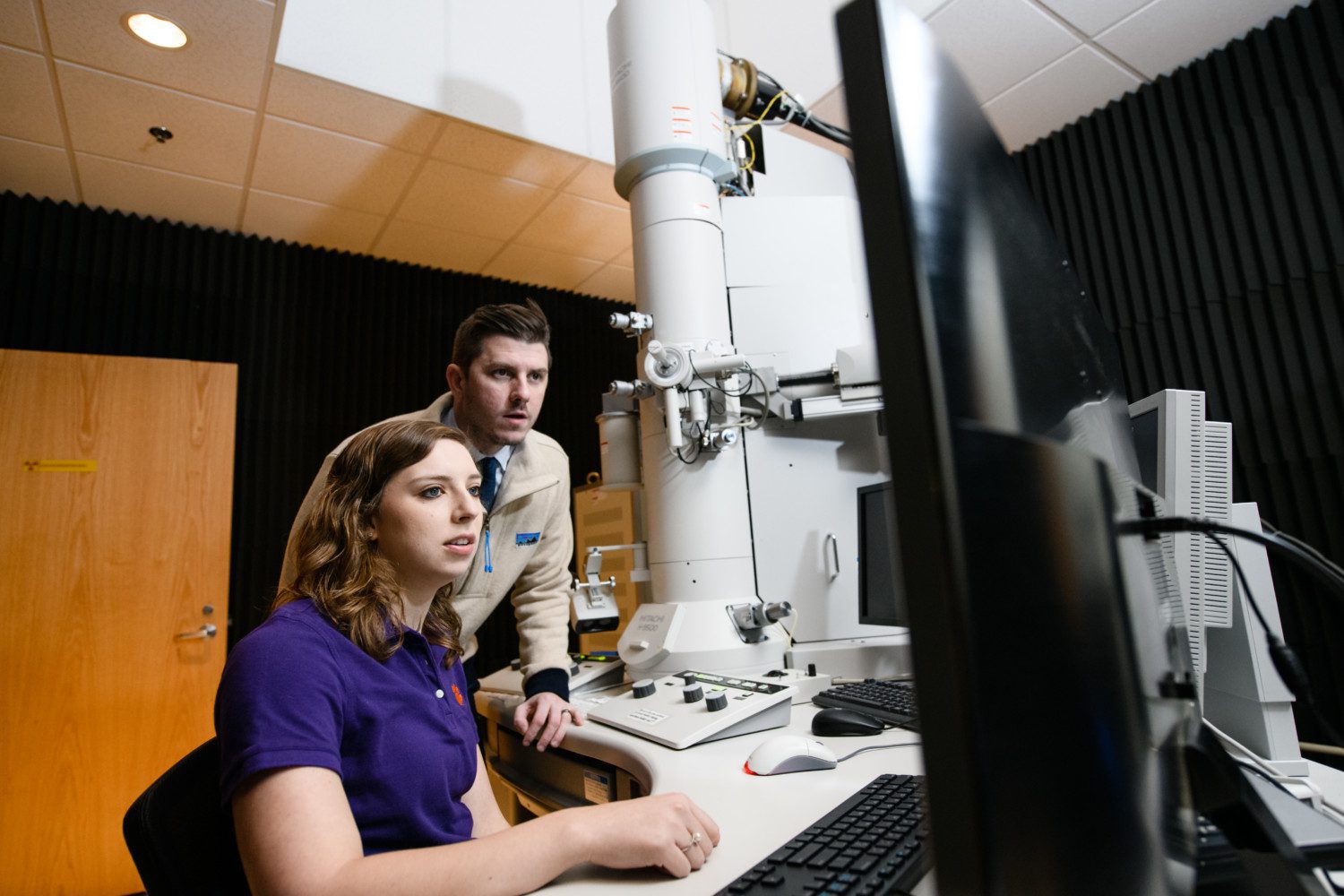
Funding cuts implemented during the Trump administration have significantly impacted a prominent computational biologist at Harvard University. This situation has drawn attention to the ongoing challenges facing researchers as they navigate a landscape marked by reduced financial support. The repercussions of these cuts are becoming increasingly evident, highlighting the broader implications for scientific advancement in the biotechnology sector.
At a recent investor conference in New York City, Vinay Prasad, the FDA’s vaccines chief, publicly defended his controversial stance on vaccine research protocols. Prasad criticized what he described as “misleading media narratives” surrounding his push for more rigorous and extended studies for updated vaccines. This response comes amid mounting pressure and public criticism, including a rare rebuke from twelve former FDA commissioners who have expressed concerns about his proposed changes.
The financial struggles of the Harvard biologist underscore the importance of sustained funding for scientific research. The cuts have left researchers grappling with fewer resources, limiting their ability to conduct vital studies. This situation raises significant questions about the future of research and innovation in the field of biotechnology, as funding is critical to advancing scientific knowledge and public health initiatives.
Prasad’s remarks at the closed-door event, reported by Damian Garde of STAT, reflect the increasing tensions within the FDA regarding vaccine approval processes. The former commissioners’ criticisms highlight a divide in perspectives on how to balance safety and expediency in vaccine development amidst ongoing public health challenges.
The landscape of biotech funding and regulatory oversight is shifting, and the implications for researchers, public health, and vaccine development are profound. As the dialogue continues, scientists and policymakers must work collaboratively to ensure that funding mechanisms support essential research while addressing the needs of public health in a rapidly evolving environment.