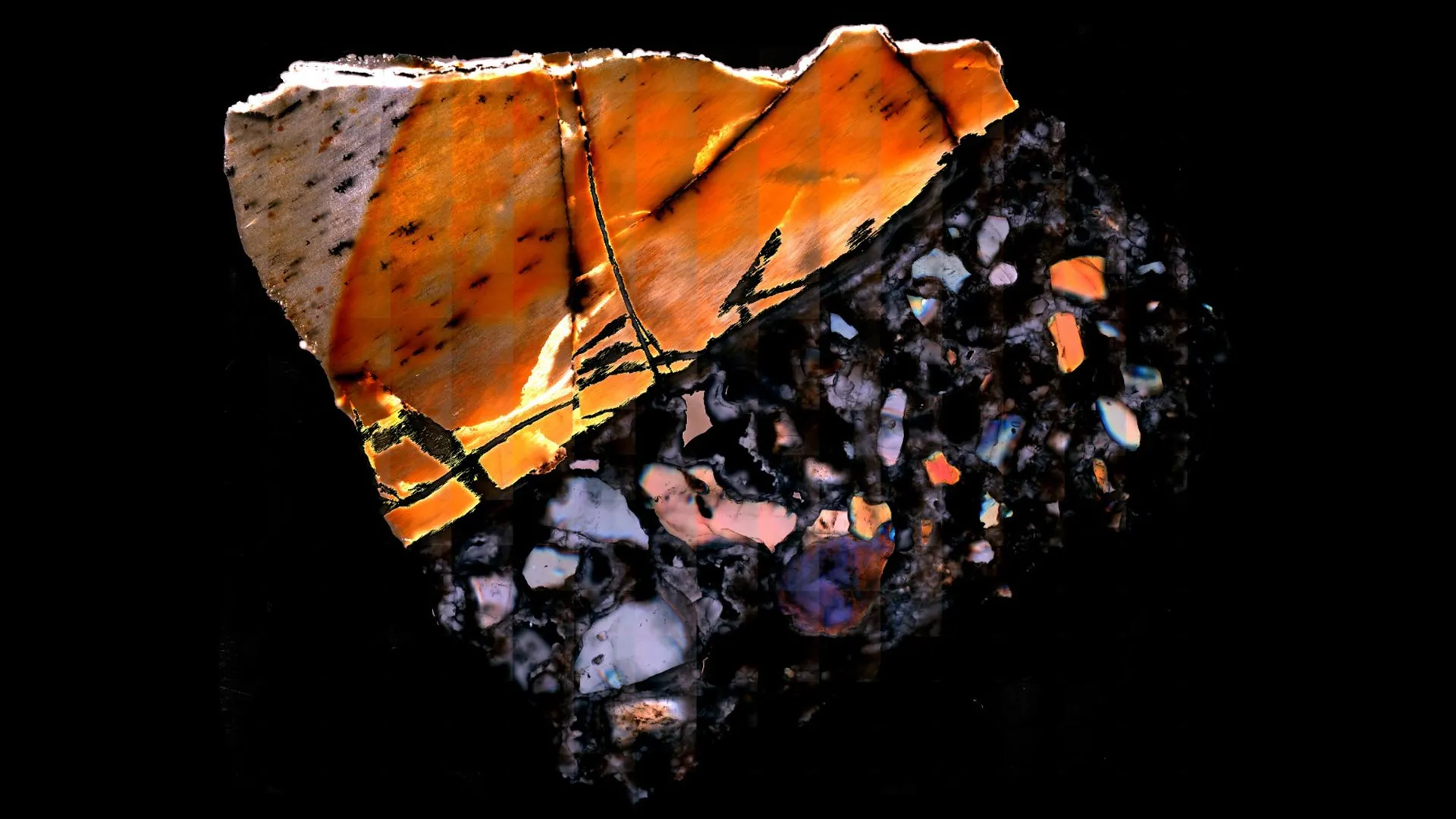
Researchers at New York University have made a groundbreaking discovery, revealing thousands of preserved metabolic molecules inside fossilized bones that date back between 1.3 million and 3 million years. This innovative approach provides unprecedented insights into prehistoric diets, diseases, and the climate conditions of ancient ecosystems.
For the first time, scientists successfully analyzed metabolic signals from fossils, offering a glimpse into the health and nutrition of animals that once roamed regions now known for early human activity. The findings were published in the esteemed journal Nature. The research points to significantly warmer and wetter environments compared to today, highlighting an ancient world rich in biodiversity.
In a significant departure from traditional paleontological methods that rely heavily on DNA analysis, which primarily reveals genetic relationships, this study harnesses the power of metabolomics. Timothy Bromage, a professor of molecular pathobiology at NYU, led the international research team. He expressed his long-standing interest in metabolism and the potential to apply these techniques to paleontological studies.
Preservation of Metabolic Molecules
Recent advancements have shown that collagen, the protein vital for bone structure, can survive in ancient bones, including those of dinosaurs. Bromage proposed that if collagen can be preserved, other biomolecules, including metabolites, may also remain intact within the bone’s microenvironment.
To test this hypothesis, the research team employed mass spectrometry, a technique that identifies molecules by converting them into charged particles. Initial tests on modern mouse bones uncovered nearly 2,200 metabolites. This method was then applied to fossilized bones excavated from sites in Tanzania, Malawi, and South Africa, where the fossils belonged to animals with living relatives today.
The analysis included bones from various species, such as rodents, antelopes, pigs, and elephants, revealing thousands of metabolites that closely matched those in contemporary species.
Insights into Health and Diet
The metabolites identified in the fossilized bones provide a wealth of information regarding the animals’ health and diets. Many of these compounds reflect normal biological processes, indicating the breakdown of amino acids, carbohydrates, vitamins, and minerals. Notably, some metabolites were linked to estrogen-related genes, confirming the presence of female animals among the fossils.
One particularly striking finding involved a ground squirrel bone from Olduvai Gorge, estimated to be around 1.8 million years old, which showed evidence of an infection caused by the Trypanosoma brucei parasite, known for causing sleeping sickness in humans. Bromage explained, “We discovered a metabolite unique to the biology of that parasite, which releases the metabolite into the bloodstream of its host.”
Additionally, the metabolic analysis shed light on the dietary preferences of these ancient animals. Although databases for plant metabolites are not as comprehensive as those for animals, the researchers identified compounds linked to local flora, such as aloe and asparagus. Bromage noted that this indicates the squirrel consumed aloe, which can reveal specific details about its environment, including temperature and rainfall.
The reconstructed habitats align with previous geological research, indicating that ancient ecosystems were significantly different from contemporary conditions. The evidence consistently suggests that the climates during this period were warmer and wetter, supporting a diverse range of life.
Bromage remarked, “Using metabolic analyses to study fossils may enable us to reconstruct the environment of the prehistoric world with a new level of detail, as though we were field ecologists in a natural environment today.”
This research was supported by The Leakey Foundation, along with additional assistance from the National Institutes of Health. The collaborative team included authors from multiple institutions, reinforcing the study’s international significance and breadth.
As scientists continue to unravel the complexities of ancient life through innovative techniques like metabolomics, the potential for further discoveries remains vast, promising to enhance our understanding of the intricate web of life that existed millions of years ago.