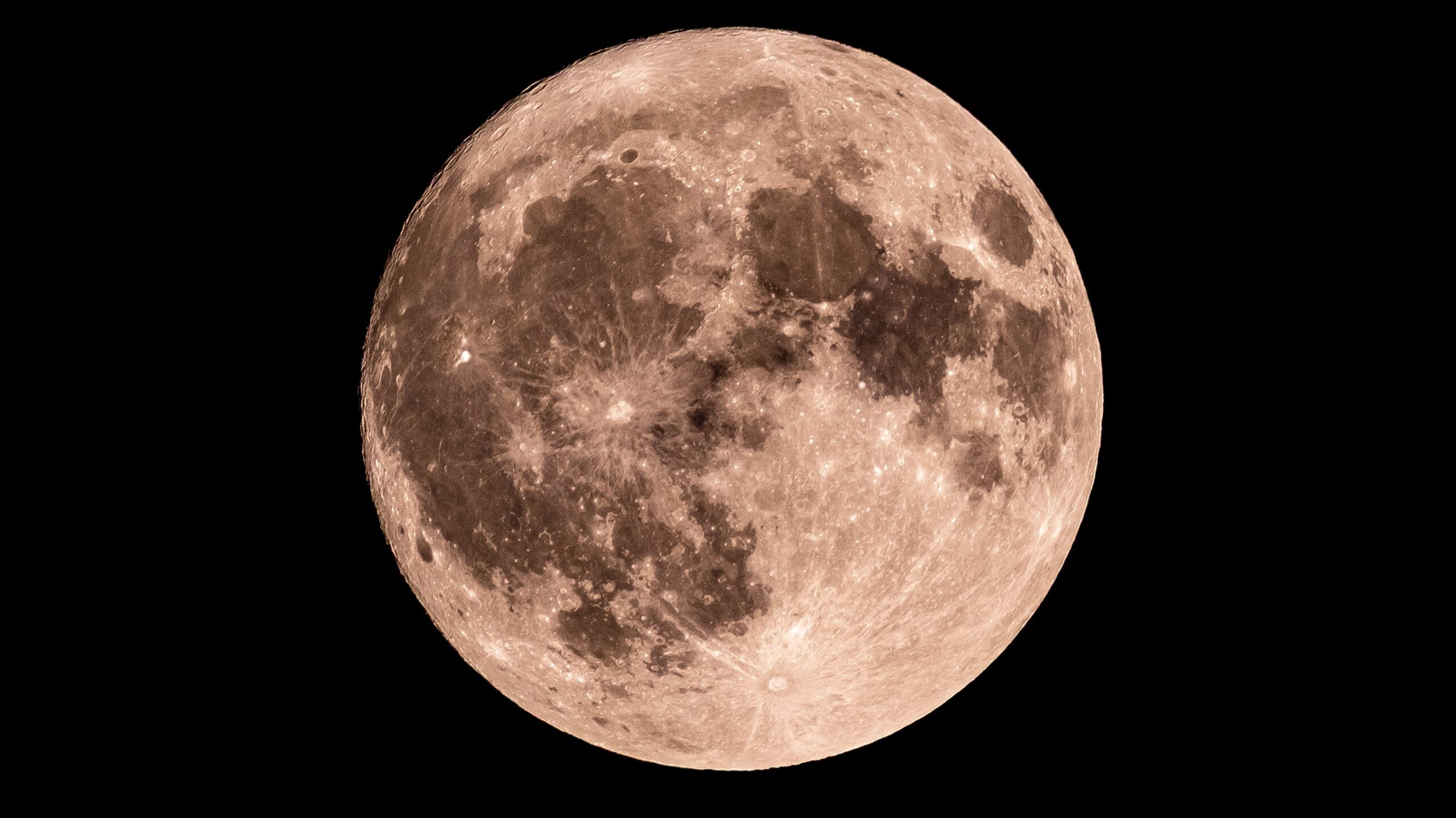
As of January 4, 2024, the Moon is in its Waning Gibbous phase, meaning it will appear to shrink each night as it moves toward the New Moon. According to The Sky Live, approximately 98.6% of the Moon’s surface will be illuminated tonight. This phase follows the Full Moon and marks the beginning of the waning cycle.
The next Full Moon will occur on February 1, 2024. Understanding the different moon phases can enhance our appreciation of this celestial body. The Moon completes a full cycle, known as the lunar cycle, approximately every 29.5 days. During this cycle, the Moon transitions through eight distinct phases as it orbits the Earth.
Understanding the Lunar Cycle
The lunar cycle consists of the following phases:
– **New Moon**: The Moon is positioned between the Earth and the Sun, rendering it invisible from our perspective.
– **Waxing Crescent**: A small sliver of light becomes visible on the right side (in the Northern Hemisphere).
– **First Quarter**: Half of the Moon is illuminated on the right side, resembling a half-moon.
– **Waxing Gibbous**: More than half of the Moon is lit, but it is not yet full.
– **Full Moon**: The entire face of the Moon is illuminated, making it fully visible.
– **Waning Gibbous**: The illuminated portion begins to decrease from the right side.
– **Third Quarter (or Last Quarter)**: Another half-moon appears, but now the left side is illuminated.
– **Waning Crescent**: A thin sliver of light remains on the left side before the Moon becomes dark again.
The constant gravitational pull between the Earth and the Moon ensures that the same side of the Moon always faces our planet. The changing illumination is due to the varying angles of sunlight as the Moon orbits the Earth.
According to NASA, these phases not only create beautiful night skies but also have significant cultural and scientific implications, influencing tides and various natural phenomena. Understanding the Moon’s phases enriches our knowledge of astronomy and our connection to the cosmos.
As tonight’s Waning Gibbous phase unfolds, stargazers can look forward to witnessing a spectacular view as the Moon transitions towards its next New Moon cycle.