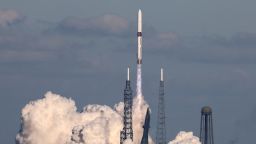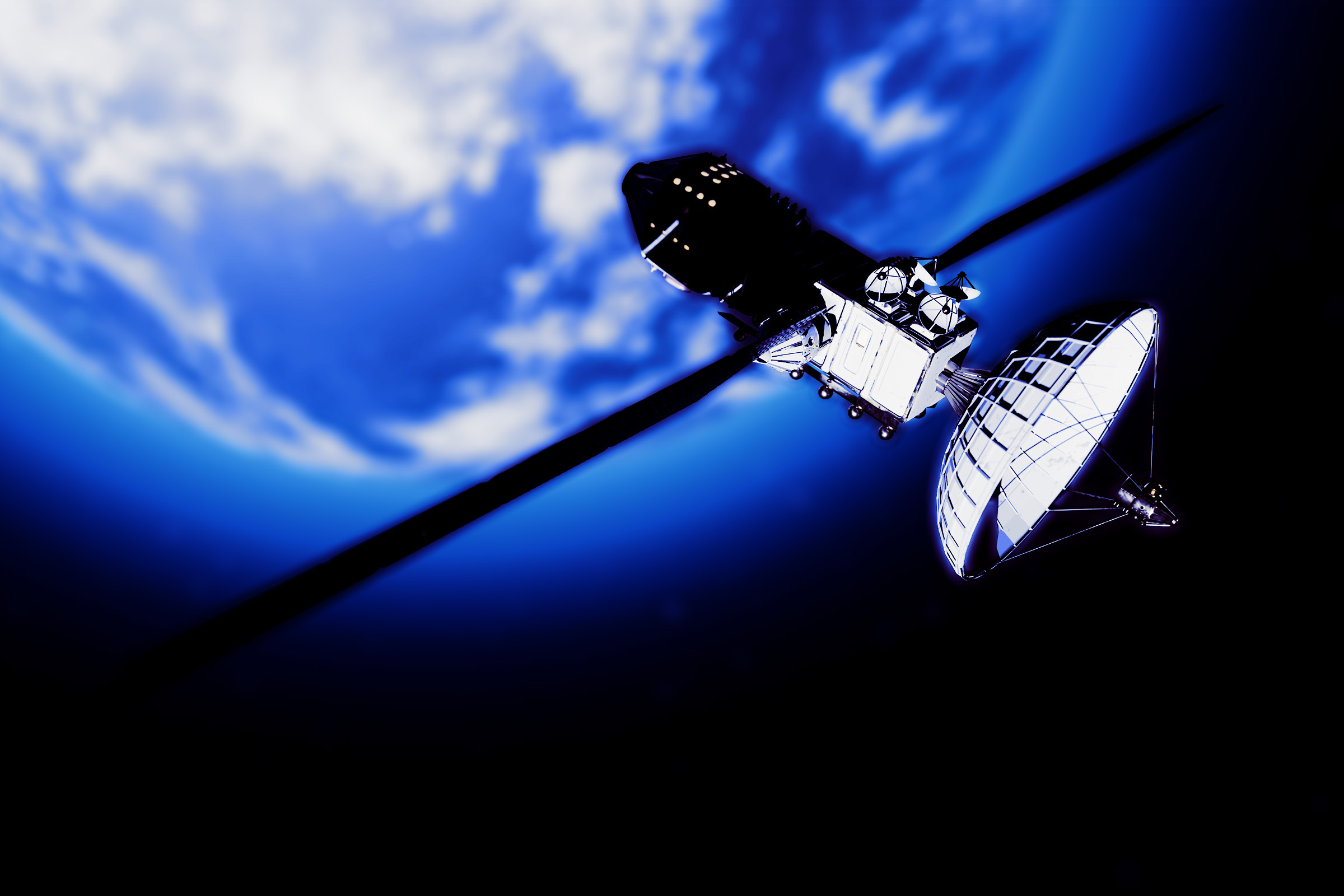
Concerns are rising among scientists as the increasing number of satellite launches is posing serious risks to Earth’s atmosphere. A recent essay published in The Conversation by a group of astronomers and atmospheric scientists warns that constant space launches could transform the atmosphere into a “crematorium” for satellites and other debris.
The authors emphasize that satellites have become part of a “throwaway culture,” with companies like SpaceX, founded by Elon Musk, designing their satellites to operate for only a few years. Once their operational life ends, these satellites are meant to deorbit and burn up in the atmosphere. While this approach appears efficient, it may lead to the release of harmful metallic particles into the air.
A study cited by the scientists found that satellites re-entering the atmosphere emit various metals, including copper, lead, and aluminum particles known as alumina. Additionally, the upper stage of SpaceX’s Falcon 9 rocket has been linked to the release of toxic lithium during re-entry. The implications are troubling, as researchers speculate that the accumulation of metal particles could initiate a chain reaction detrimental to the ozone layer.
The astronomers highlight that these concerns are just the beginning. With approximately 15,000 active satellites currently in orbit, SpaceX alone controls over 9,000 of them. Recently, the company applied to the US Federal Communications Commission for permission to launch up to one million additional satellites, aiming to establish AI data centers in space. This ambitious expansion reflects the growing aspirations of the space industry, which could have dire consequences for Earth’s atmosphere.
If such plans are realized, the scientists estimate that a million satellites could lead to more than one billion kilograms of alumina accumulating in the atmosphere. They caution that this accumulation, combined with launch emissions, could significantly alter atmospheric chemistry in ways that are not yet fully understood.
The increasing amount of space debris poses another significant threat, as collisions between objects in low Earth orbit could trigger a phenomenon known as Kessler syndrome. This scenario would turn the region into a hazardous environment, making spaceflight perilous for decades to come.
Moreover, the hazards of falling debris are becoming more concerning. Reports indicate that large fragments of satellites and spacecraft are surviving their descent rather than disintegrating as intended. The Federal Aviation Administration has warned that by 2035, approximately 28,000 pieces of debris from Starlink satellites alone could survive re-entry each year, raising the likelihood of serious injuries or fatalities from space debris to as high as 61 percent.
The proliferation of satellite constellations also threatens astronomical observations. The authors of the essay noted that stargazing, astrotourism, and cultural astronomy could be severely disrupted, making it more challenging for scientists to study the cosmos.
To address these mounting issues, the scientists call for global regulation to manage space launches more effectively. They propose the establishment of a regulatory body to set a “safe atmospheric carrying capacity” for satellite launches and re-entries, alongside facilitating research to understand the full impact of spacecraft on the atmosphere.
As the space industry continues to expand, the need for responsible practices and regulatory oversight has never been more critical.