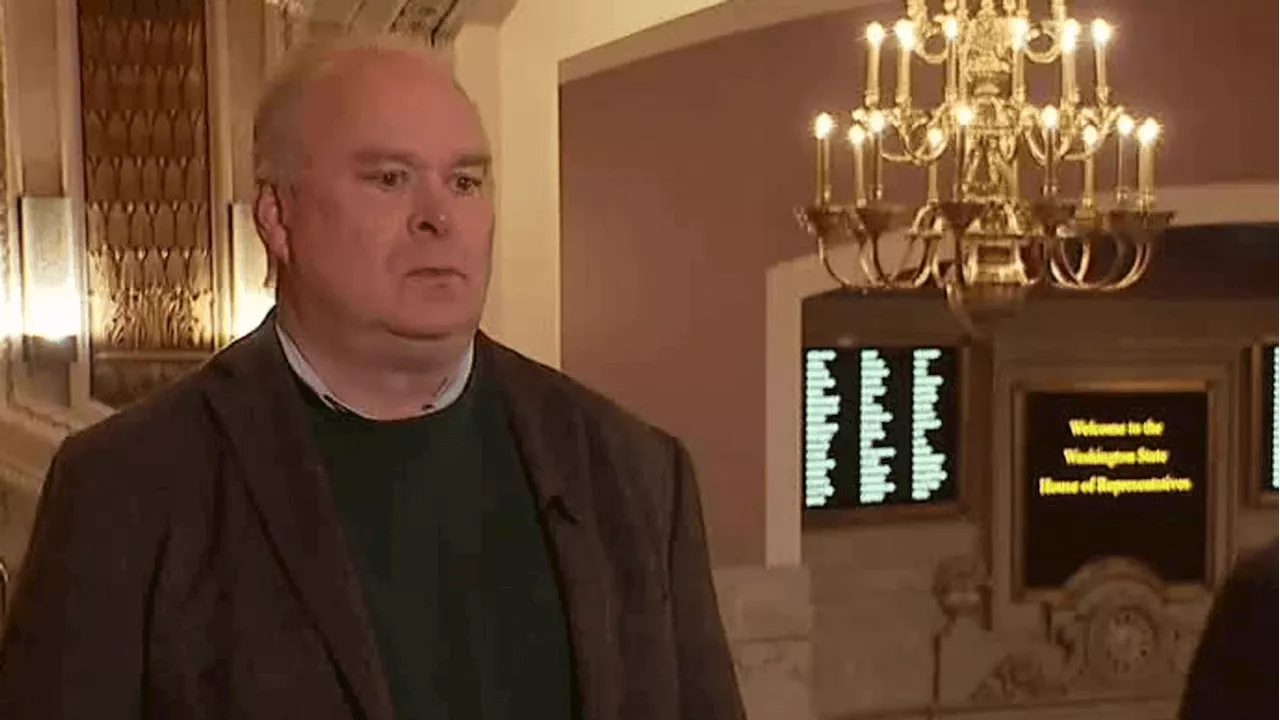
Washington State Representative Jim Walsh has raised significant concerns regarding the potential misuse of funds in publicly subsidized child care facilities. His worries stem from a personal examination of public documents and social media videos that suggest irregularities within these programs. Walsh, who is also the chair of the state Republican Party, believes that these issues warrant a thorough investigation.
During an interview at the Capitol on January 1, 2024, Walsh criticized the Attorney General’s office for its slow response to the allegations, describing the situation as a systemic problem within the state’s bureaucratic agencies. He pointed out that the issue gained momentum following a viral video from a social media influencer, which alleged that some Minnesota-based Somali-run daycare centers receiving public funding were either closed or had no children present. Similar claims have emerged in Washington state, further amplifying Walsh’s concerns.
Walsh emphasized the importance of accountability, stating that the state allocates substantial funds to child care providers—potentially reaching into the billions—without sufficient oversight. He cautioned that this lack of accountability could encourage misuse of public funds.
In response to these allegations, Attorney General Nick Brown’s office confirmed that they have received formal complaints and are currently investigating the matter. The office issued a statement acknowledging that they are also handling harassment and fraud complaints related to child care funding but did not provide specific numbers due to their policy of not commenting on ongoing investigations.
The statement from the Attorney General’s office highlighted that the Department of Social and Health Services (DSHS) is primarily responsible for addressing fraud allegations against child care providers. They assured the public that multiple tools are available to tackle fraud, depending on the nature of the complaints. Furthermore, they noted their commitment to ensuring that any potential conflicts of interest are adequately managed.
The situation reflects a broader concern about financial irregularities within child care subsidy programs. Walsh’s findings, which have been bolstered by social media scrutiny, raise questions about the allocation of public funds and the accountability mechanisms in place.
Although the Attorney General’s office has acknowledged the complaints and is investigating, the precise outcomes of these inquiries remain uncertain. The involvement of the DSHS underscores the complex interactions between various state departments in addressing these issues.
As this situation develops, the implications for child care funding and oversight in Washington State are significant. The growing public awareness, fueled by social media, highlights the need for transparency and accountability in how taxpayer money is utilized.
The investigation’s results may lead to potential reforms in child care subsidy programs, ensuring that funds are used effectively and responsibly. As representatives like Walsh push for accountability, the role of public scrutiny continues to evolve in shaping the landscape of state-funded programs.