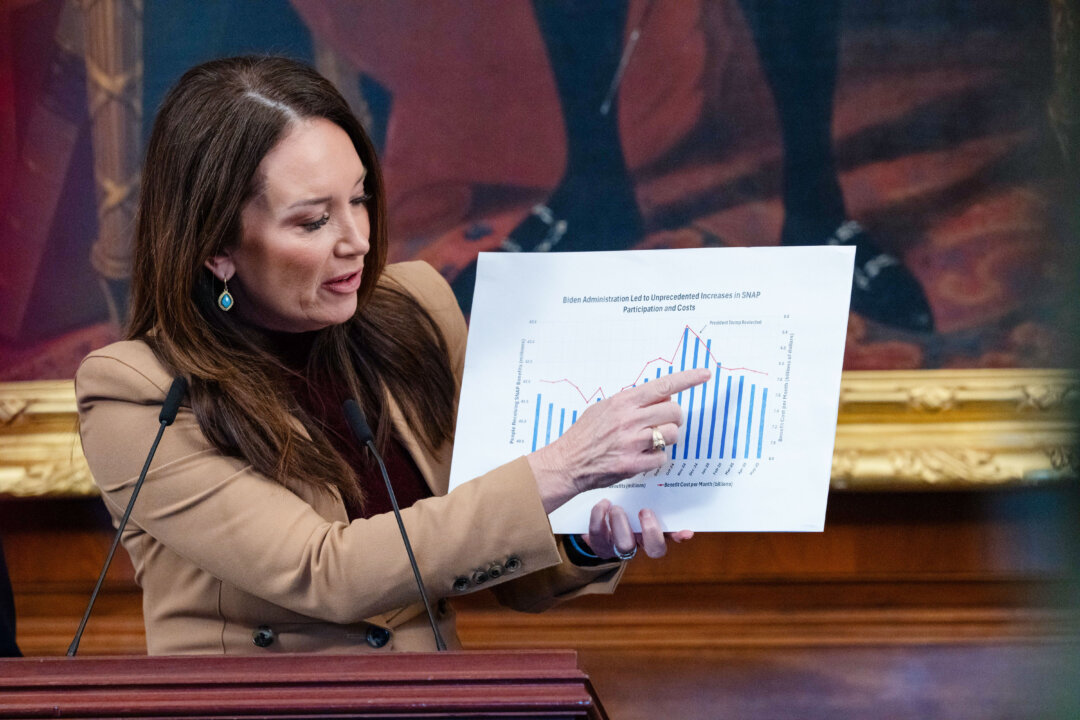
Agriculture Secretary Brooke Rollins announced on March 12, 2024, that the federal government may suspend funding to certain states that fail to provide data related to the Supplemental Nutrition Assistance Program (SNAP). During a Cabinet meeting at the White House, Rollins stated that the administration is prepared to halt the flow of federal funds to states that do not comply with data-sharing requests, emphasizing that this action could begin as early as next week.
Rollins noted that while 29 Republican-leaning states have submitted their SNAP data, 21 Democratic-leaning states, including New York, California, and Minnesota, have not complied. The Secretary’s remarks highlighted a growing tension between state and federal authorities regarding the management of SNAP, a program that supports millions of Americans with food assistance.
Background on SNAP Data Requests
Earlier in 2024, Rollins requested SNAP data from all 50 states to ensure the integrity of the program, often referred to as food stamps. The aim is to identify and prevent any potential fraud or abuse within the system. This initiative reflects the USDA’s commitment to transparency and accountability in federal assistance programs.
The Secretary’s warning underscores a significant policy approach under the current administration, which is keen on enforcing compliance among states. Rollins stated, “We have begun and will begin to stop moving federal funds into those states until they comply.” This declaration indicates a potential shift in how states interact with federal funding, particularly for those that lean towards the Democratic party.
The impact of these funding cuts could be substantial, affecting various programs that rely on federal support, including nutrition and food security initiatives. With millions of Americans depending on SNAP for their daily sustenance, the implications of this dispute extend beyond political lines and touch the lives of vulnerable populations.
Response from Affected States
As tensions rise, state officials in the Democratic-leaning areas are voicing concerns about the implications of this potential funding suspension. Advocates for SNAP argue that withholding funds could exacerbate food insecurity issues, particularly in economically disadvantaged regions. The ongoing debate highlights the complexity of balancing federal oversight with state autonomy in administering public assistance programs.
The USDA’s focus on compliance raises questions about the future of state-federal relations in managing welfare programs. As the situation develops, it remains to be seen how states will respond to the Secretary’s ultimatum and what steps they will take to ensure their residents continue to receive the necessary support.
In conclusion, Secretary Rollins’ announcement marks a critical moment in the ongoing conversation about SNAP and state compliance. With substantial funding at stake, the next few weeks may prove pivotal for both the federal government and the states involved. The outcome could shape not only the future of SNAP but also the broader landscape of public assistance programs across the country.