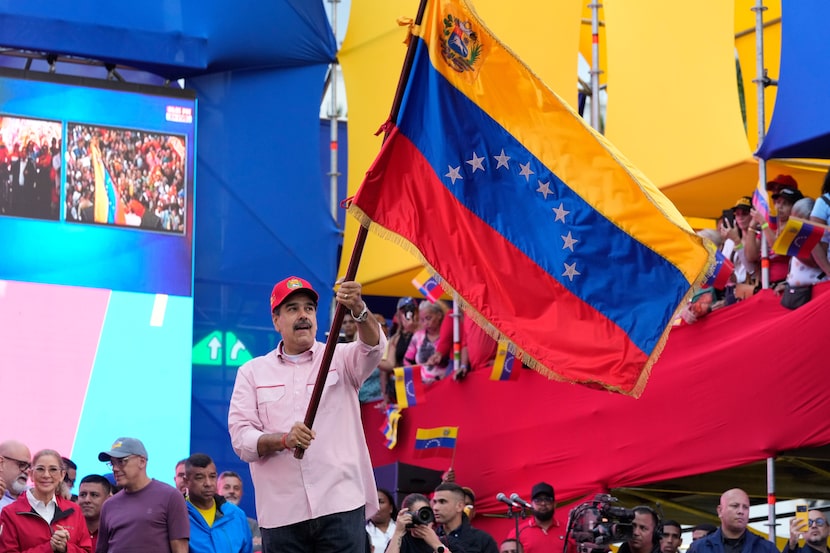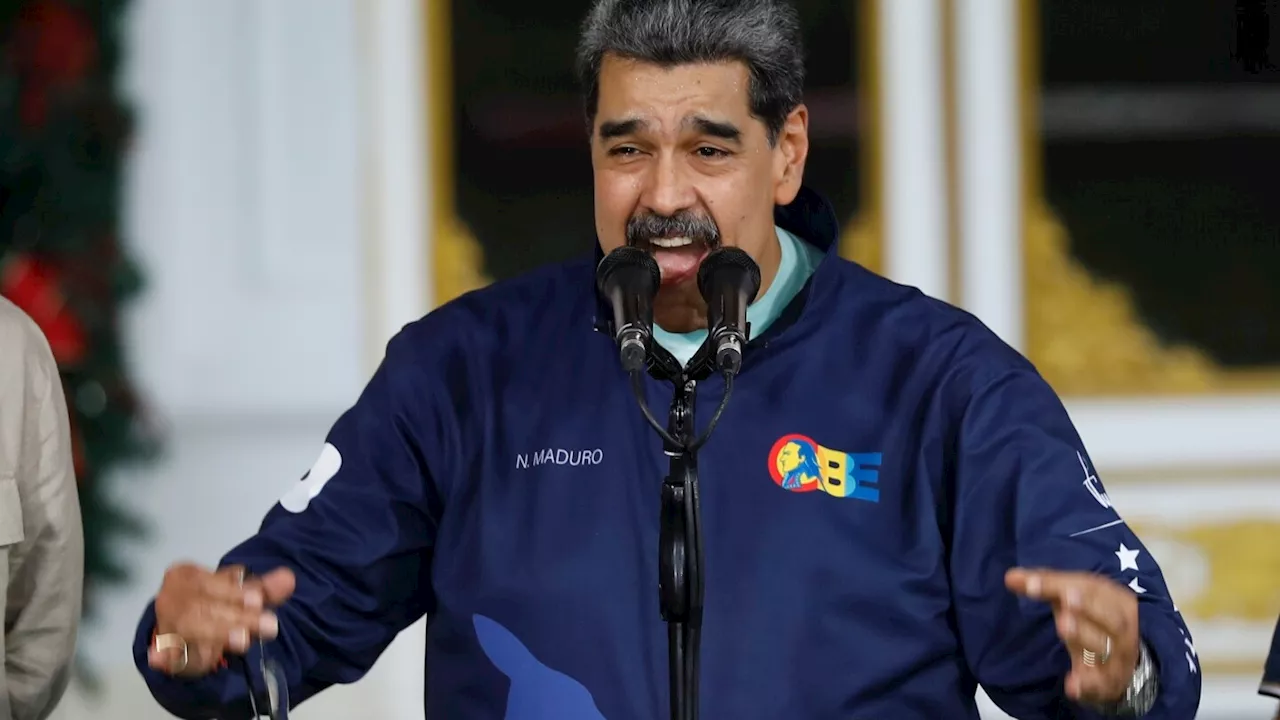
In a dramatic turn of events, Venezuelan President Nicolás Maduro was captured by United States forces on January 3, 2026, during a military operation aimed at regime change in Venezuela. Following months of escalating pressure on Maduro’s government, President Donald Trump ordered the operation, which culminated in Maduro’s transport to the United States, where he faces charges related to narco-terrorism.
This operation marks a significant escalation in U.S. interventionist policy, representing the most assertive action to achieve regime change since the 2003 invasion of Iraq. As part of the operation, troops executed a surprise incursion into the Venezuelan capital, Caracas, early Saturday morning, leading to a series of explosions and military engagements.
Operation Details and Aftermath
According to military officials, the operation involved over 150 aircraft from 20 different bases, including F-22 and F-35 fighter jets, as well as B1 bombers. Chairman of the Joint Chiefs of Staff Gen. Dan Caine stated that the U.S. forces had meticulously planned the mission for months, conducting extensive rehearsals to ensure its success.
The U.S. military’s assault targeted Maduro’s heavily fortified residence in Caracas. Trump described the operation as “an assault like people have not seen since World War II,” emphasizing its scale and effectiveness. Following his capture, Maduro and his wife, Cilia Flores, were flown to Stewart Air National Guard Base in New York, where they are set to face serious charges.
Trump stated that the U.S. intends to temporarily govern Venezuela and tap into its vast oil reserves to generate revenue. He asserted that the U.S. would ensure the country’s stability and infrastructure repair, claiming, “The money coming out of the ground is very substantial.” This move has raised numerous legal and ethical questions regarding the U.S. approach to foreign governance.
International Reactions and Implications
The operation has drawn swift and varied reactions internationally. The United Nations (U.N.) Security Council is scheduled to hold an emergency meeting to discuss the U.S. actions in Venezuela. U.N. spokesperson Stéphane Dujarric expressed concern that the escalation violates international law and could set a dangerous precedent for future interventions.
In a statement, Venezuelan Vice President Delcy Rodríguez demanded the immediate release of Maduro, asserting that he remains the legitimate leader of Venezuela. Meanwhile, British Prime Minister Keir Starmer indicated that his government will discuss the evolving situation with U.S. counterparts, expressing support for a peaceful transition to a government recognized by the Venezuelan people.
Trump’s actions have ignited a heated debate within the United States as well. Democratic leaders, such as Senator Chuck Schumer, criticized the administration’s decision to pursue regime change, warning that it could lead to long-term complications and instability in the region.
As the situation develops, the human impact in Venezuela remains a pressing concern. Residents like Yanire Lucas, who experienced the chaos firsthand, expressed fear and uncertainty about the future. “What is happening is unprecedented,” Lucas remarked, capturing the sentiments of many Venezuelans grappling with the aftermath of the operation.
As the world watches closely, the implications of the U.S. military operation and the fate of Nicolás Maduro will undoubtedly shape the geopolitical landscape of Latin America for years to come.