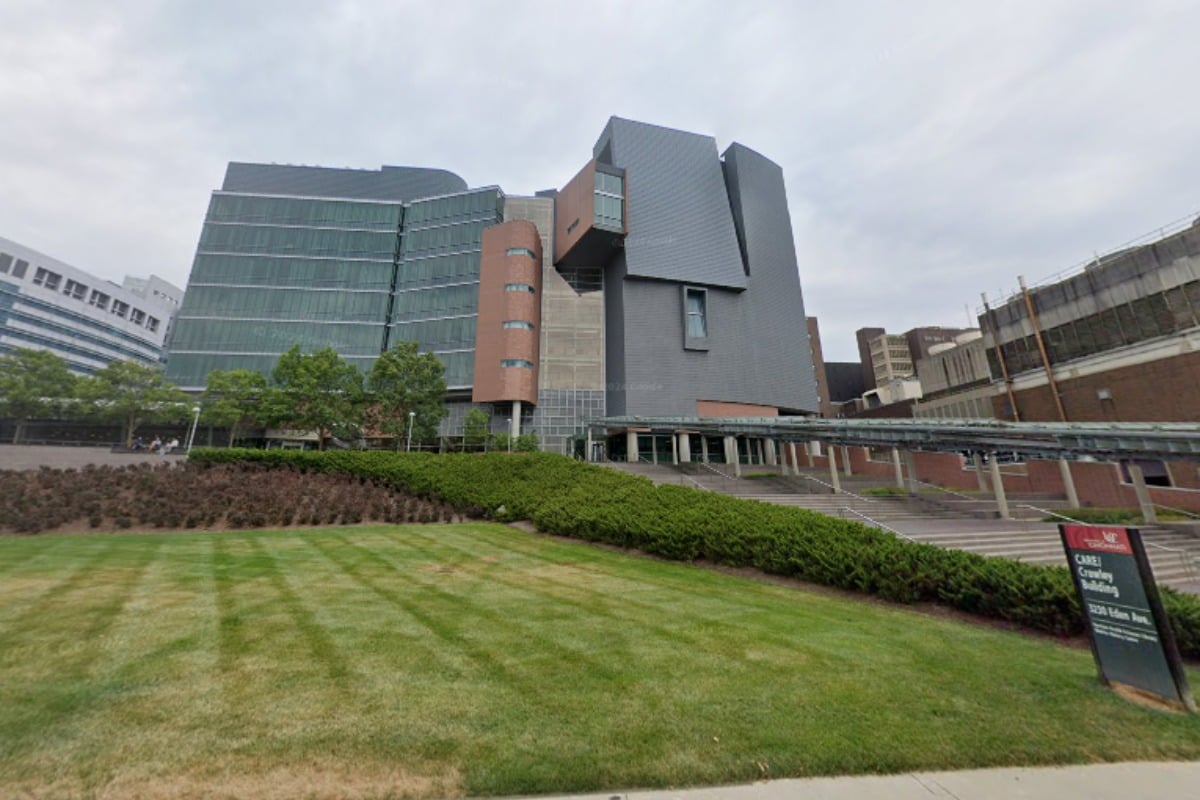
The University of Cincinnati College of Medicine has been awarded a significant $1.1 million grant from the American Medical Association (AMA) to advance the integration of artificial intelligence (AI) in medical training. This initiative aims to personalize the educational experience for medical students, potentially transforming the landscape of physician education. The grant, allocated over four years, supports the project titled, “Ambient AI for precision feedback: Augmenting clinical reasoning and communication using real-time feedback.”
With nearly 200 applicants competing for this funding, the AMA chose only 11 teams, with the University of Cincinnati emerging as a leader in innovative educational approaches. The goal of this initiative is to tailor learning experiences to meet the individual needs of students, which is expected to enhance both the educational outcomes for medical students and the quality of care provided to patients.
To implement this technology, the College of Medicine plans to utilize AI to collect real-time data through devices such as smartphones and smart glasses. This data will facilitate immediate feedback on students’ clinical skills, thereby enriching their learning process.
Innovative Leadership in Medical Education
Dr. Laurah Turner is at the forefront of this groundbreaking initiative. Her work with ambient AI has drawn considerable attention within the medical community. Gregory Postel, MD, Dean of the College of Medicine and Chair of the UC Health Board of Directors, praised Dr. Turner’s efforts, stating, “Dr. Laurah Turner’s pioneering work with ambient AI represents the next frontier in medical training.”
The project will leverage the university’s 2-Sigma AI platform, which has already been effective in providing adaptive simulations to offer personalized feedback. Under Dr. Turner’s leadership, the team will further refine these algorithms for a smartphone application and AI glasses that will display essential information directly in the user’s field of view.
The initiative plans to involve approximately 600 medical trainees, including students and residents, across two testing sites. The long-term objective is to transition from simulated scenarios to real patient interactions, thereby transforming every clinical encounter into a valuable learning opportunity.
Commitment to Precision Education
The AMA’s grant is part of a broader commitment to precision education and technology-driven systems, which includes a total investment of $12 million in initiatives aimed at enhancing the learning experience for medical professionals. AMA CEO John Whyte, MD, emphasized the necessity of such innovations in physician training, stating, “Technology and AI have the potential to reshape how physicians learn, practice, and care for their patients.”
The collaboration between the AMA and the University of Cincinnati signals a promising shift toward a more personalized and patient-centered approach to medical education. As this venture unfolds, it could set a new standard for how medical training is conducted, ultimately benefiting both future physicians and the patients they serve. With substantial backing and a clear vision, the future of medical education appears poised for significant transformation.