Donald Trump’s approach to Venezuela is drawing scrutiny as former National Security Adviser John Bolton warns that the strategy may backfire on the administration’s oil objectives. In a recent interview with Newsweek, Bolton suggested that Trump’s primary focus appears to be securing an oil deal with Venezuela rather than the intended goal of toppling Nicolás Maduro‘s regime. He expressed concern that this focus could deter oil companies from investing in the country.
Bolton, who served in the Trump administration from April 2018 until September 2019, stated, “If I were an oil company executive being pressured by Trump to invest billions of dollars of capital expenditures to revive Venezuela’s oil infrastructure, I would want a regime in place committed to the rule of law.” The White House has been contacted for a response regarding these claims.
Focus Shifts to Oil
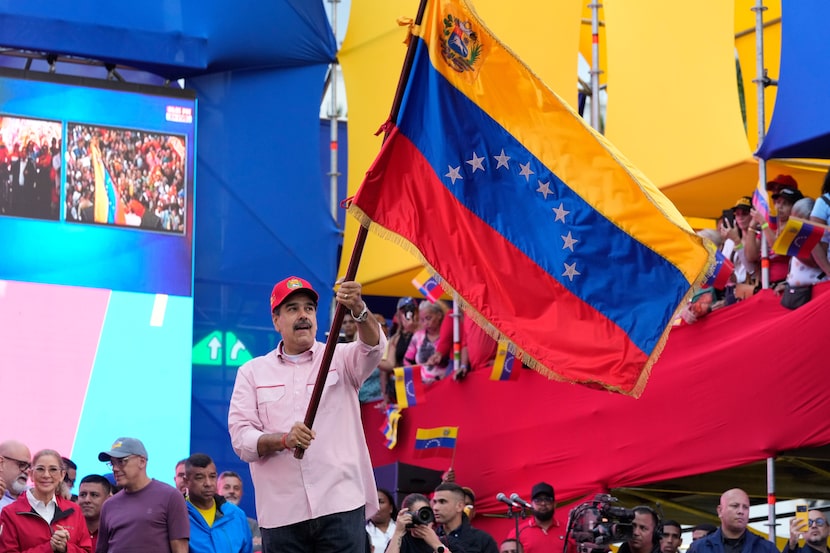
Trump’s administration has previously criticized Maduro for his alleged involvement in “narcoterrorism.” However, the narrative has shifted toward oil, particularly following Maduro’s capture on January 3, 2024. Trump announced that Venezuela would be “turning over” up to 50 million barrels of oil, valued at over $2 billion, to the United States. He claimed the proceeds would benefit citizens in both nations.
During a press conference, Trump stated, “We’re going to have our very large United States oil companies, the biggest anywhere in the world, go in, spend billions of dollars, fix the badly broken infrastructure, the oil infrastructure, and start making money for the country.”
Rebuilding Venezuela’s energy sector is projected to cost approximately $183 billion from 2026 to 2040, according to Rystad Energy. Despite this, Trump asserted that American oil giants are eager to invest.
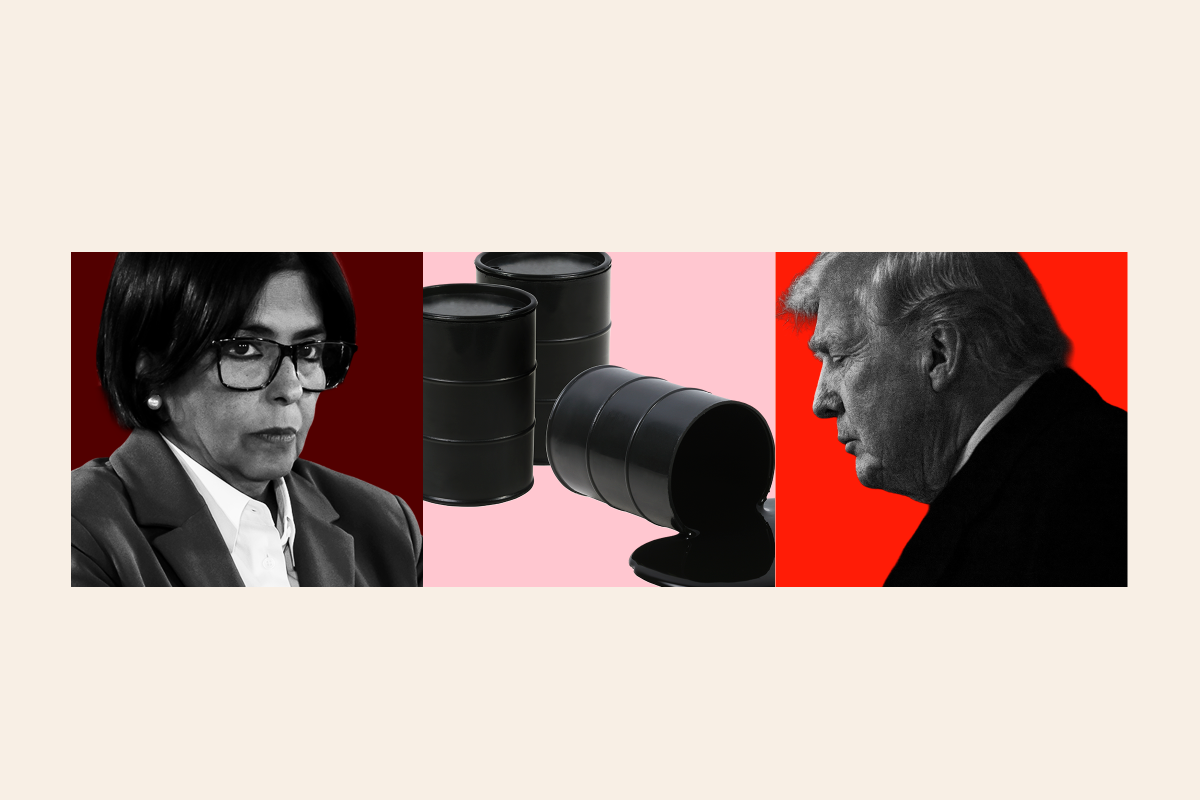
Bolton cautioned that oil companies would prefer a “democratically elected government with an independent judiciary” rather than the current regime. As of now, Trump seems to favor Maduro’s former vice president, Delcy Rodríguez, who was sworn in as acting president last week. This marks a significant shift from Trump’s earlier policy of supporting the Venezuelan opposition, which included María Corina Machado, a notable figure and recent Nobel Peace Prize nominee.
Bolton criticized this approach, stating, “This marks a 180-degree turn from the policy in the first Trump term, which was to work with the Venezuelan opposition.” He emphasized that gaining legitimacy through the opposition is essential for U.S. actions.
Investment Concerns in a Fragile Market
Bolton further highlighted that the state of governance in Venezuela would weigh heavily on American companies considering investment. He pointed out that historical precedents, such as the nationalization of U.S. oil investments in the 1970s, create hesitance among potential investors. Venezuela’s oil industry was formally nationalized in 1976, leading to the establishment of PDVSA, the state-owned oil company.
Over the years, under Presidents Hugo Chávez and Maduro, the Venezuelan government expanded state control over energy sectors, leading to the eviction of companies like ExxonMobil and ConocoPhillips, which were forced out of joint ventures when they refused to relinquish majority control. Following lengthy arbitration processes, Venezuela was ordered to pay approximately $8.7 billion to ConocoPhillips and about $1.6 billion to ExxonMobil for expropriated assets.
ConocoPhillips confirmed to Newsweek that it is “monitoring developments in Venezuela and their potential implications for global energy supply and stability,” but noted it would be premature to speculate on future investments. Meanwhile, Chevron, the only American firm currently operating in Venezuela, emphasized its commitment to employee safety and asset integrity.
Trump mentioned to NBC News that any upcoming investments might be reimbursed by the government due to the substantial funds required to revive Venezuela’s oil sector, asserting, “But they’ll do very well.”
Despite holding the largest proven oil reserves globally, tapping into Venezuela’s resources poses significant challenges. Rystad Energy’s chief economist, Claudio Galimberti, explained that the infrastructure is in a tragic state due to years of mismanagement and underinvestment.
Galimberti pointed out a “chicken and egg problem,” stating, “Costs for new projects are very high due to lack of investment in the past 30 years, but investment won’t be made because costs are too high.” He added that ensuring security and political stability is crucial for foreign companies to operate effectively.
Economist Carole Nakhle from Crystol Energy noted that the current political and regulatory uncertainties could dampen enthusiasm among oil majors. However, she acknowledged that while the financial risks are substantial, the potential rewards could be considerable.
Trump’s confidence in U.S. oil companies suggests he believes they will be willing to take the risk. As he stated, “We’re going to have our very large United States oil companies… go in, spend billions of dollars, fix the badly broken infrastructure, and start making money for the country.”
The evolving situation in Venezuela underscores the complexities of international investment in a politically unstable environment, raising questions about the future of both the country and the companies involved.