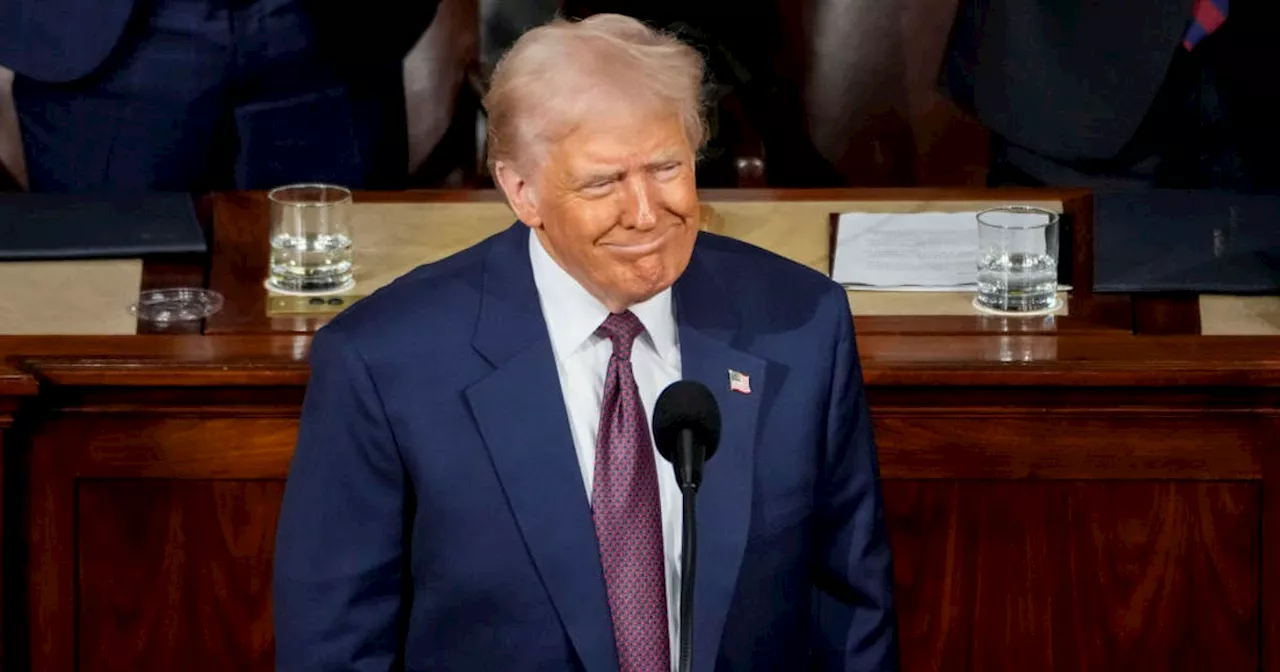
Donald Trump, the former president of the United States, has announced a controversial decision to roll back key provisions of the Clean Air Act. This move, made on September 28, 2023, raises significant concerns about the potential impact on public health and environmental standards across the country.
The decision has sparked outrage among environmental advocates and public health officials. Critics argue that undermining the Clean Air Act could expose millions to harmful pollutants, jeopardizing air quality in various regions, including many areas that strongly supported Trump’s presidency. The implications of this policy shift could affect vulnerable populations, particularly in red states where air quality issues are already prevalent.
The Clean Air Act, originally enacted in 1970, aims to protect public health by regulating emissions of hazardous air pollutants. According to the Environmental Protection Agency (EPA), the Act has significantly contributed to improvements in air quality over the past decades. Recent data indicates that air quality has markedly improved since its implementation, leading to a decrease in respiratory illnesses and other health-related issues.
Trump’s administration contends that the rollback is intended to reduce regulatory burdens on businesses, claiming that such regulations stifle economic growth. However, experts warn that the long-term health costs associated with increased air pollution could far outweigh any short-term economic benefits. The American Lung Association has estimated that poor air quality contributes to over 200,000 premature deaths annually in the United States.
In a statement following the announcement, the American Medical Association expressed deep concern, emphasizing that the rollback could disproportionately affect low-income communities and children, who are particularly susceptible to air pollution-related illnesses. “We cannot afford to turn back the clock on air quality standards that protect our most vulnerable populations,” said a representative of the association.
As public reaction unfolds, the implications of this decision are becoming clearer. Many Americans, including some of Trump’s own supporters, are beginning to recognize the potential risks associated with poorer air quality. This backlash could have political ramifications, especially as the country approaches the next election cycle.
Environmental groups are mobilizing to challenge the decision legally and are urging the public to voice their concerns to local representatives. The Natural Resources Defense Council stated, “This rollback is not just about air quality; it is about the health and future of our children. We will fight to ensure that our air remains clean and safe.”
As the situation develops, it remains to be seen how this decision will affect public health and political dynamics moving forward. The ongoing debate surrounding environmental policies is likely to intensify, with significant implications for both public health and economic policy in the United States.