As the political landscape shifts, Republicans may be facing a repeat of the challenging 2018 midterm elections, with potential repercussions for the 2026 contests. Concerns regarding the economy and former President Donald Trump‘s low approval ratings are prompting party leaders to reassess their strategies. Many voters are increasingly frustrated by rising inflation and are seeking alternatives to the current administration’s approach.
Voter sentiment is shifting as economic pressures mount. The latest data reveals that inflation has significantly affected consumer confidence, pushing many individuals to reconsider their political alignments. According to a recent poll conducted by the Pew Research Center, approximately 68% of voters express dissatisfaction with the current economic situation, a sentiment that could spell trouble for Republicans in the upcoming elections.
Economic Pressures and Political Implications
The economic landscape poses a significant challenge for the Republican Party. Many analysts argue that if the party does not actively address the issues surrounding inflation, they could alienate a critical voter base. The rising cost of living has made voters more determined to seek checks on Trump’s influence within the party. Political analysts suggest that addressing economic concerns could be vital for regaining voter trust.
In the wake of the 2018 midterms, which saw a substantial voter backlash against the Republicans, party officials are aware of the need for a proactive approach. The 2026 midterms may present another opportunity for Democrats to capitalize on the current administration’s perceived failures. If Republicans fail to present a cohesive economic strategy, they risk repeating past mistakes.
Trump’s Influence on Republican Strategy
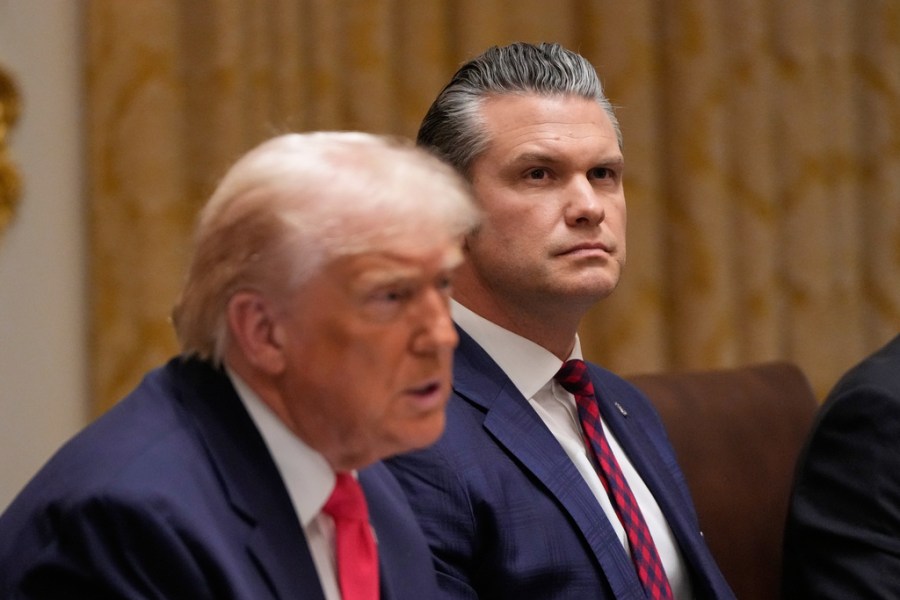
The ongoing impact of Trump on the Republican Party cannot be overstated. His approval ratings remain low, hovering around 39%, which raises questions about his influence on the party’s future. Some Republican leaders are contemplating a shift away from Trump’s policies to regain broader appeal among undecided voters.
Despite this, many within the party continue to align closely with Trump, fearing that distancing themselves could lead to further division. This internal conflict may complicate efforts to formulate a unified strategy heading into the 2026 elections.
As the midterm elections draw closer, it will be critical for Republicans to navigate these challenges effectively. Addressing economic concerns while managing internal party dynamics will not only influence their electoral prospects but also shape the future of the Republican Party in the years to come.